Selecting an appropriate palette for a living area involves considering factors such as room size, natural light, existing furniture, and desired ambiance. A thoughtfully chosen scheme can transform a space, influencing perceptions of warmth, spaciousness, and overall comfort. For instance, a small room might benefit from lighter hues to create an illusion of greater size, while a larger area could accommodate bolder, richer tones. Understanding the interplay of color and light is crucial in achieving the intended effect.
Harmonious color choices contribute significantly to a welcoming and aesthetically pleasing environment. They can evoke specific moods, from relaxing serenity to vibrant energy, enhancing the functionality and enjoyment of the space. Historically, color trends in interior design have reflected broader cultural and societal shifts, evolving from the ornate palettes of Victorian eras to the minimalist approaches of modern times. The impact of color on human psychology underscores the significance of informed color selection.
This discussion will further explore key considerations for creating a cohesive and impactful color scheme, including popular color palettes, the psychology of color, and practical tips for successful implementation. Specific examples and actionable advice will guide readers through the process of transforming their living spaces through the strategic use of color.
1. Mood
A living room’s intended atmosphere significantly influences color selection. Specific hues evoke distinct emotional responses, impacting the overall experience of the space. For example, cool blues and greens promote tranquility and relaxation, making them ideal for spaces dedicated to unwinding. Conversely, warmer tones like reds and oranges stimulate energy and conversation, suiting rooms designed for social gatherings. Neutral palettes, featuring shades of white, beige, or gray, offer versatility and a sense of calm, providing a backdrop for various decorating styles. Understanding these psychological effects allows for informed decisions aligning color choices with the desired mood.
The interplay of color saturation and brightness further refines mood creation. Muted tones create a sense of sophistication and serenity, while vibrant shades inject energy and playfulness. Consider the impact of light on color perception throughout the day. North-facing rooms benefit from warmer hues to compensate for cooler light, whereas south-facing rooms can accommodate cooler colors without appearing dim. Testing paint samples under different lighting conditions ensures the desired mood is achieved regardless of natural light variations.
Creating a cohesive mood through color requires a balanced approach, avoiding overwhelming contrasts or jarring combinations. Thoughtful selection and strategic placement of accent colors enhance visual interest without disrupting the overall atmosphere. The intentional use of color, grounded in an understanding of its psychological impact, cultivates a living room environment that supports the intended function and fosters a desired emotional response.
2. Space
Spatial dimensions significantly influence color selection within a living room. The interplay of color and perceived size creates opportunities to enhance or modify the room’s proportions. Lighter colors tend to recede visually, making a space feel larger and more open. Conversely, darker colors advance, creating a sense of intimacy and enclosure. This principle applies to walls, ceilings, and even furniture choices. For instance, a small living room benefits from light wall colors, potentially paired with a slightly darker ceiling to add depth without overwhelming the space. A larger room offers greater flexibility, accommodating bolder colors and darker accents without diminishing its perceived size. Careful consideration of scale and proportion ensures a balanced and harmonious aesthetic.
Ceiling height also plays a crucial role. Low ceilings appear higher when painted in lighter shades, preferably a shade or two lighter than the walls. This creates an illusion of vertical expansion, making the room feel less confined. Higher ceilings, on the other hand, can benefit from darker hues, adding a sense of groundedness and intimacy to the space. Architectural features, such as exposed beams or moldings, can be highlighted or minimized through strategic color choices. Painting these elements in contrasting shades draws attention to them, while using similar colors creates a seamless and unified look. These techniques demonstrate the practical application of color manipulation to enhance spatial perception.
Strategic color placement contributes to the overall flow and functionality of the space. Using a darker color on one wall can create a focal point or visually shorten a long, narrow room. Conversely, painting adjacent walls in contrasting colors can define distinct areas within an open-plan living space. This technique effectively delineates functional zones without physical barriers. Understanding the impact of color on spatial perception empowers informed decisions, maximizing the potential of any living room, regardless of its dimensions. Successful implementation relies on a holistic approach, considering the interplay of color, light, and architectural elements to create a balanced and aesthetically pleasing environment.
3. Light
Natural light significantly influences color perception within a living room. The intensity and direction of light alter how colors appear, impacting the overall ambiance. North-facing rooms, receiving cooler, indirect light, benefit from warmer wall colors to compensate for the bluish cast. Conversely, south-facing rooms, bathed in warm, direct sunlight, can accommodate cooler tones without appearing dim. East-facing rooms experience strong morning light, while west-facing rooms receive warmer afternoon light, necessitating careful color selection to balance these shifts. Understanding the interplay of natural light and color allows for informed choices that maintain visual harmony throughout the day. For instance, a pale yellow in a north-facing room might appear washed out, while a cool gray in a south-facing room could feel excessively stark. Testing paint samples in the room at various times of day provides a realistic preview of how natural light will affect the chosen color.
Artificial lighting further impacts color perception and requires careful integration with the overall design scheme. Different light sources emit varying color temperatures, measured in Kelvin. Warm white light (around 2700K) complements warmer color palettes, while cool white light (around 4000K) enhances cooler hues. Layering lighting, incorporating ambient, task, and accent lighting, allows for nuanced control over the illumination and its impact on color. For example, strategically placed accent lights can highlight artwork or architectural details, while dimmer switches allow adjustment of light intensity to suit different moods and activities. A balanced approach, considering both natural and artificial light sources, ensures the chosen colors appear as intended, creating a harmonious and visually appealing environment.
Successfully integrating light and color requires a holistic approach. Evaluating the existing light conditions, considering the room’s orientation and available artificial lighting, informs color choices. Testing paint samples under different lighting scenarios and incorporating a variety of light sources ensures a dynamic and adaptable space. A comprehensive understanding of the interplay between light and color empowers informed decisions, maximizing the potential of the living room and creating a welcoming and aesthetically pleasing environment.
4. Style
A living room’s intended style significantly influences color palette selection. Style encompasses a range of aesthetic approaches, each characterized by distinct color preferences and combinations. Understanding these stylistic nuances allows for cohesive and impactful color choices that complement the overall design vision.
-
Modern
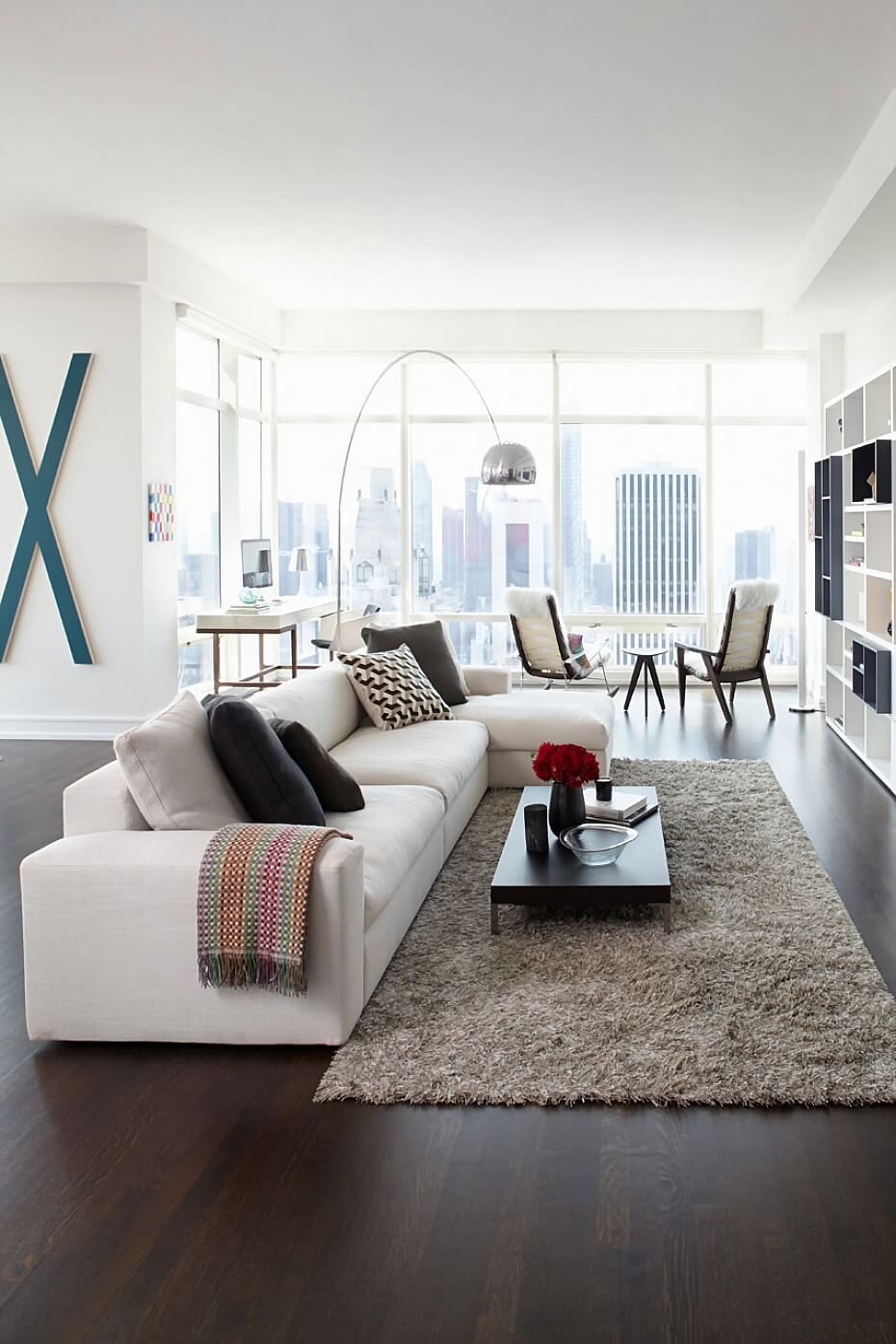
Modern design often favors a minimalist aesthetic, utilizing neutral color palettes with occasional bold accents. Whites, grays, and blacks create a clean, uncluttered backdrop, allowing furniture and artwork to take center stage. Accent colors, when used, are typically vibrant and saturated, providing pops of color against the neutral background. This approach emphasizes simplicity and functionality.
-
Traditional
Traditional styles often incorporate richer, warmer color palettes, drawing inspiration from classic design principles. Deep reds, greens, and blues create a sense of elegance and sophistication, often paired with ornate furniture and decorative accents. Neutral tones, such as beige and cream, provide a balancing element, preventing the space from feeling overwhelming. This approach emphasizes timeless appeal and enduring quality.
-
Contemporary
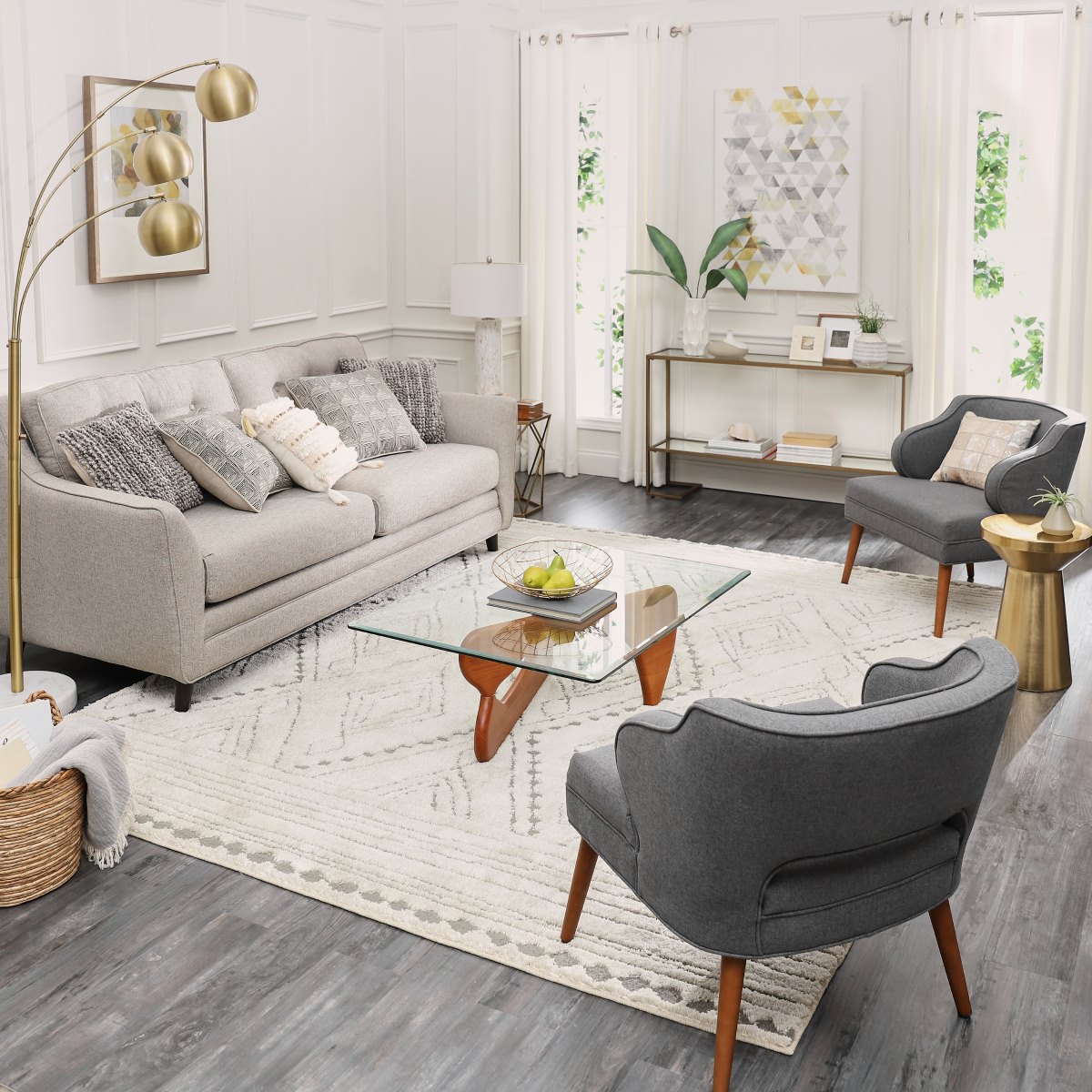
Contemporary design represents current trends, often incorporating a mix of styles and influences. Color palettes are diverse, ranging from vibrant and eclectic to muted and sophisticated. Neutrals remain popular, providing a versatile backdrop for bolder color choices. Emphasis is placed on creating a unique and personalized space that reflects current aesthetic sensibilities.
-
Bohemian
Bohemian style embraces eclecticism and a free-spirited approach to design. Warm earthy tones, such as terracotta and ochre, are combined with vibrant jewel tones and patterned textiles. This style encourages layering and the use of natural materials, creating a relaxed and globally inspired atmosphere.
Integrating color palettes effectively requires careful consideration of the chosen style. Harmonizing color choices with furniture, textiles, and decorative elements creates a cohesive and visually appealing space. A well-defined style guides color selection, ensuring that the overall aesthetic remains consistent and reflects the desired ambiance.
Conclusion
Strategic implementation of color significantly impacts the overall aesthetic and perceived dimensions of a living room. Careful consideration of mood, available space, natural light, and intended style ensures harmonious and impactful results. A balanced approach, incorporating an understanding of color psychology and the interplay of light and shadow, allows for informed decisions that maximize the potential of any living space. Successful implementation hinges on a holistic approach, unifying these elements to create a welcoming and aesthetically pleasing environment.
Ultimately, informed color selection transforms a living room from a mere functional space into a personalized sanctuary reflecting individual preferences and enhancing daily living. The ability to manipulate color empowers the creation of environments that promote relaxation, stimulate creativity, or foster social interaction, underscoring the profound impact of color on human experience within the built environment. Thoughtful color choices create a lasting impact, elevating both the aesthetic and functional value of the living room.

/grey-walls-turquoise-furniture-8005b71f-0f466e27e01c41edac57c4de38d4d8be.jpg&description=7%20Living%20Room%20Color%20Ideas%20for%20a%20Stunning%20Space)