Positioning a floor covering in a living space involves several key considerations to maximize both its aesthetic and practical benefits. These include assessing the room’s dimensions and traffic flow, selecting an appropriately sized and shaped rug, and using proper placement techniques to define zones and enhance the overall dcor. For example, a large rug can anchor a seating area, while a runner can define a hallway or entryway.
Strategically placed floor coverings offer numerous advantages. They can delineate separate areas within an open-plan living space, protect flooring from wear and tear, reduce noise, and introduce texture, color, and pattern to enhance the room’s ambiance. Historically, rugs served not only as decorative elements but also as insulation against cold floors. This functional aspect has evolved alongside their aesthetic role, making them an integral component of interior design.
The following sections will delve into the practical aspects of rug placement, offering guidance on choosing the right size, considering furniture arrangement, and employing various techniques to ensure a harmonious and functional living environment.
1. Room Dimensions
Room dimensions play a crucial role in rug placement. Accurate measurements of length and width are essential for selecting an appropriately sized rug. A rug that is too small can make the room feel fragmented and the furniture appear disjointed, while an excessively large rug can overwhelm the space. For instance, in a small living room, a rug that extends almost wall-to-wall might create a cramped feeling, whereas a smaller rug that defines the seating area would create a more balanced look. Conversely, a small rug in a large room can make the space feel empty and undefined. Understanding the room’s proportions ensures the rug complements the space, enhancing its visual appeal and functionality.
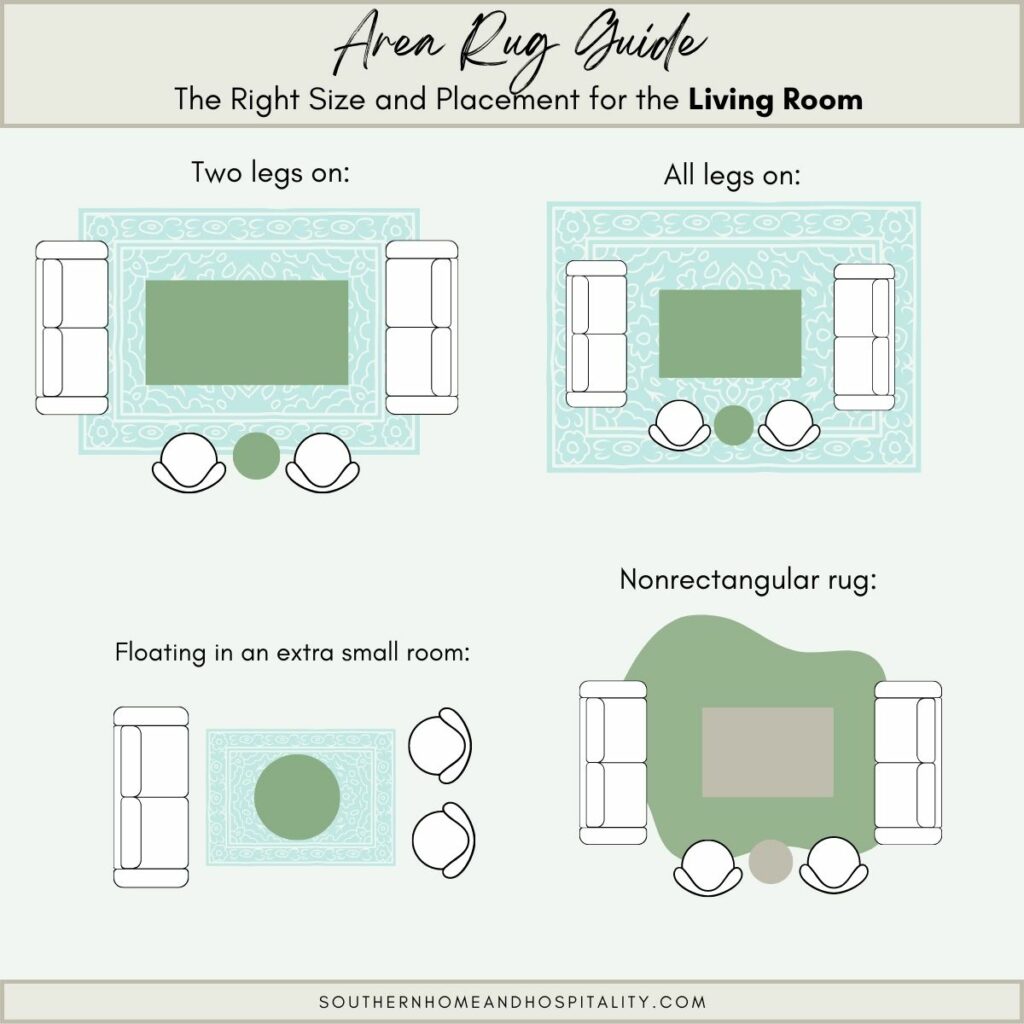
Careful consideration of room dimensions also impacts furniture placement in relation to the rug. Ideally, the rug should be large enough to accommodate the front legs of major furniture pieces within a seating area. This creates a sense of unity and anchors the furniture within the space. In a dining room, the rug should extend beyond the table’s perimeter to allow chairs to remain on the rug even when pulled out. Ignoring room dimensions can lead to awkward furniture placement and a disharmonious overall aesthetic. For example, a small rug placed under a coffee table with the surrounding sofa legs off the rug can make the seating area feel disconnected and visually unbalanced.
In summary, accurate assessment of room dimensions is paramount for successful rug placement. This foundational step informs rug size selection, guides furniture arrangement, and ultimately ensures the rug enhances rather than detracts from the overall aesthetic and functionality of the living space. Failing to consider room dimensions can result in a disjointed look and compromise the intended purpose of the rug, whether it be defining zones, adding warmth, or anchoring furniture.
2. Furniture Placement
Furniture placement plays a pivotal role in determining optimal rug placement and maximizing its impact within a living space. The relationship between furniture and rug placement is symbiotic; each influences the other in creating a cohesive and functional environment. Understanding this interplay is essential for achieving a harmonious and visually appealing room layout.
-
Defining Zones with Furniture and Rugs
Furniture placement defines functional zones within a living room, and rugs reinforce these divisions. For example, a sofa and armchairs arranged around a coffee table establish a conversation area, and a rug placed beneath this grouping visually anchors the space and enhances its sense of intimacy. Conversely, a desk and chair situated on a separate, smaller rug delineate a workspace, distinguishing it from the relaxation zone. This strategic use of furniture and rugs creates clear visual boundaries and improves the overall organization of the room.
-
Rug Size and Furniture Placement
The size of the rug dictates furniture placement options and vice versa. A large rug can accommodate all furniture pieces within a seating area, creating a unified and balanced look. Alternatively, a smaller rug might only accommodate the front legs of the furniture, leaving the back legs on the bare floor. This approach can work in smaller rooms or when aiming for a more layered, textured look. The chosen approach significantly impacts the room’s perceived size and the overall aesthetic.
-
Traffic Flow and Furniture Arrangement
Navigating a room comfortably requires thoughtful furniture placement and rug selection. Rugs should not obstruct major walkways or create tripping hazards. For example, a runner placed in a high-traffic hallway should be of appropriate width to allow easy passage. Similarly, furniture placement around a rug should facilitate smooth movement within the room. A poorly placed rug or bulky furniture piece can disrupt traffic flow, rendering the space less functional and potentially hazardous.
-
Visual Balance and Harmony
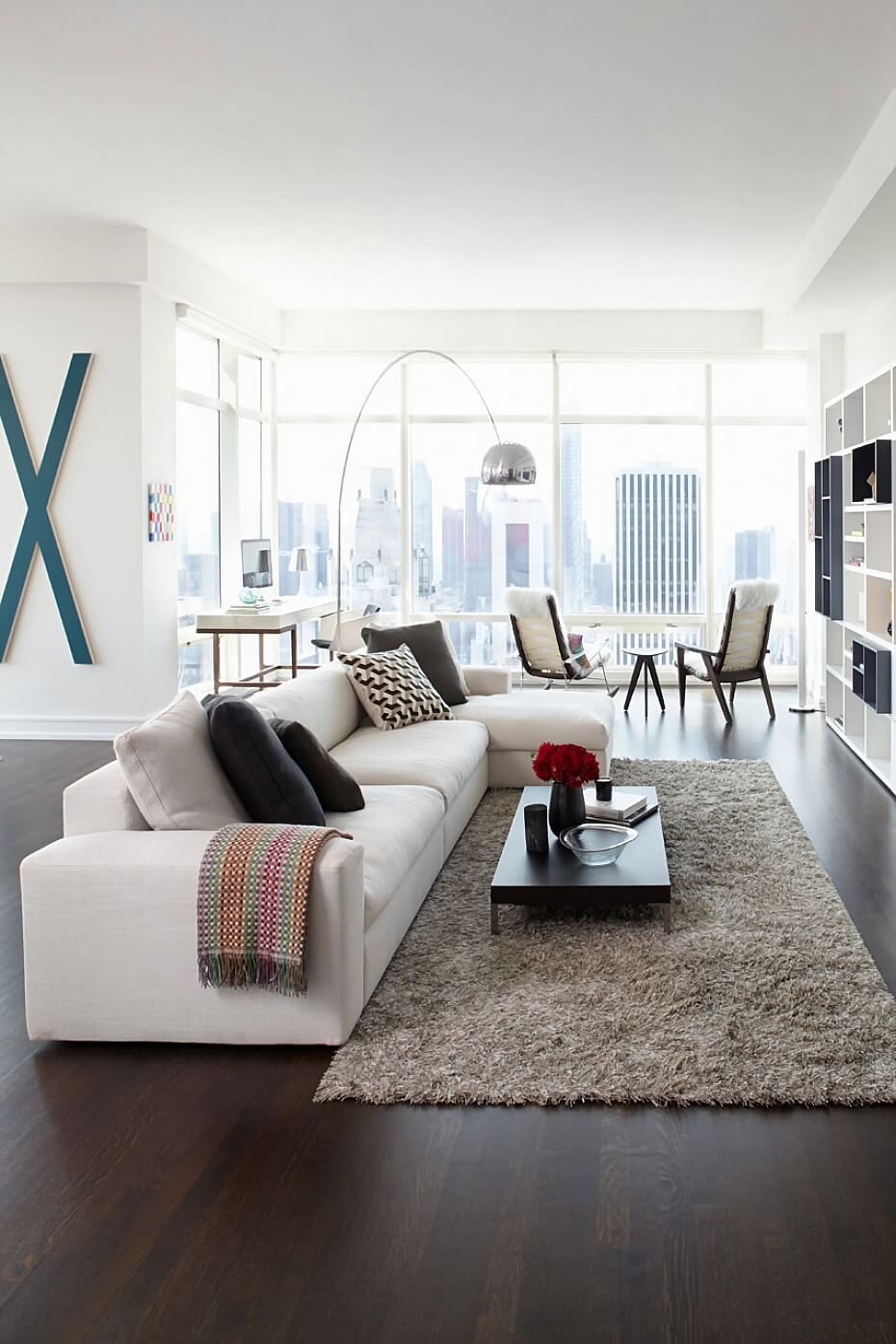
Furniture placement, in conjunction with rug placement, significantly influences the visual balance and harmony of the room. A rug can balance a heavy or visually dominant piece of furniture, while careful furniture arrangement can prevent a room from feeling overcrowded or sparse. For instance, a large, patterned rug can balance a bulky sectional sofa, while strategically placed chairs and tables can prevent the space from feeling empty, even with a smaller rug. Achieving visual balance contributes to a more aesthetically pleasing and comfortable living environment.
By carefully considering the interplay between furniture placement and rug placement, one can create a living space that is both visually appealing and highly functional. The strategic use of rugs and furniture can define zones, manage traffic flow, and enhance the overall aesthetic of the room. Ignoring this relationship can lead to a disjointed and less functional space, highlighting the importance of a holistic approach to interior design.
3. Rug Size and Shape
Rug size and shape are critical factors in successfully integrating a rug into a living room. Appropriate dimensions ensure the rug complements the room’s scale and the furniture’s arrangement, while the chosen shape contributes to the overall aesthetic and flow of the space. An improperly sized rug can disrupt visual harmony, making a room appear smaller or the furniture seem disjointed. For instance, a small rug in a large living room can make the space feel unbalanced, while an oversized rug in a small room can overwhelm the area, making it feel cramped. Similarly, rug shape should complement the room’s layout and the furniture’s configuration. A rectangular rug often works well in a traditionally shaped room, while a circular rug can soften the angles of a square room or define a specific area within a larger space. The interplay between rug size and shape and the overall room dimensions directly impacts the perceived spaciousness and visual appeal of the living area.
Selecting the correct rug size involves careful consideration of the furniture grouping it will anchor. Ideally, a rug in a seating area should be large enough to accommodate at least the front legs of all furniture pieces. This creates a visual connection and defines the space. For a coffee table arrangement, the rug should extend beyond the table’s perimeter, allowing ample space for chairs or sofas. Conversely, in a dining area, the rug should be large enough for all chair legs to remain on the rug even when pulled out from the table. Failing to consider these proportions can result in a disjointed and unbalanced aesthetic. A rug that is too small for the furniture grouping can make the room feel fragmented, while a rug that is too large can dwarf the furniture and make the room feel smaller than it actually is.
In summary, the selection of appropriate rug size and shape is paramount for achieving a harmonious and functional living room. Careful consideration of room dimensions, furniture placement, and the desired aesthetic informs optimal rug selection. Choosing the correct rug size and shape anchors furniture groupings, defines zones, and enhances the overall visual appeal of the room. Neglecting these crucial elements can compromise the intended impact of the rug and detract from the room’s overall design.
4. Traffic Flow
Traffic flow significantly influences rug placement within a living room. Optimal rug placement facilitates easy movement and prevents obstructions within the space. A rug placed in a high-traffic area should not impede movement or create a tripping hazard. For instance, a runner in a narrow hallway should be appropriately sized to allow comfortable passage, and a rug in a living room should not obstruct pathways between seating areas and other functional zones. Failing to consider traffic flow can lead to a poorly functioning and potentially unsafe environment. Conversely, strategically placed rugs can guide movement and delineate pathways, enhancing both the functionality and safety of the space. For example, a runner placed along a frequently used path through a living room can protect the flooring and visually define the walkway, while also adding warmth and texture.
Careful consideration of traffic patterns informs both rug size and placement. In high-traffic areas, durable, low-pile rugs are recommended to withstand wear and tear. Placement should prioritize unobstructed movement. A rug placed directly in front of a doorway, for example, might hinder the door’s swing or become a tripping hazard. Similarly, a rug placed under a frequently used swing chair should be large enough to accommodate the chair’s movement without bunching or creating an obstruction. Practical considerations such as these ensure the rug enhances rather than impedes the room’s functionality. For instance, a large, plush rug might be ideal for a low-traffic seating area, while a smaller, flatter weave rug would be more suitable for an entryway or hallway.
In conclusion, analyzing traffic flow is essential for successful rug placement. Properly placed rugs enhance both the aesthetics and functionality of a living room. Neglecting traffic flow can lead to impractical placement, hindering movement and potentially creating safety hazards. Conversely, thoughtful consideration of traffic patterns ensures the rug complements the space, facilitating smooth circulation and enhancing the overall living experience. This understanding underscores the importance of viewing rug placement not merely as a decorative decision but as a crucial element of functional interior design.
Conclusion
Successful rug placement elevates both the aesthetic and functional qualities of a living space. Key considerations include accurate room dimension assessment, strategic furniture arrangement, appropriate rug size and shape selection, and careful traffic flow analysis. These elements work in concert to create a harmonious and purposeful environment. A well-chosen and strategically placed rug anchors furniture groupings, defines zones within open-plan layouts, adds warmth and texture, and protects flooring. Ignoring these considerations can result in a disjointed aesthetic, impeded movement, and diminished practicality.
Ultimately, thoughtful rug placement transforms a house into a home. Careful planning ensures that this functional and decorative element enhances the overall design and livability of the space. The considered integration of rugs contributes significantly to a more comfortable, visually appealing, and welcoming environment.
:max_bytes(150000):strip_icc()/Traditional-fireplace-with-moss-green-fireplace-58e196fa3df78c5162012006.png "decorating a living room with a fireplace")