The creation of a visually appealing and functional living space centered around a fireplace involves careful consideration of furniture arrangement, color palettes, and decorative accents. For instance, a room with a large stone fireplace might benefit from warm, earthy tones and comfortable seating arranged to foster conversation and a cozy ambiance. This approach maximizes the fireplace’s role as a focal point.
A well-designed fireplace area enhances a home’s aesthetic appeal and provides a natural gathering spot, promoting a sense of warmth and comfort. Historically, fireplaces served as the primary heat source, and their continued presence in modern homes evokes a sense of tradition and heritage. Creating a harmonious space around this feature increases both the perceived and practical value of a home.
Key considerations for enhancing a living room with a fireplace include furniture selection and placement, wall treatments, mantel dcor, and the interplay of light and shadow. Exploring these elements further will provide a comprehensive guide to achieving a stylish and inviting living room environment.
1. Focal Point
In living room design, establishing a focal point provides a visual anchor, drawing the eye and organizing the space. A fireplace naturally lends itself to this role, possessing inherent qualities of warmth, light, and architectural presence. Its placement often dictates the arrangement of furniture and the flow of movement within the room. For example, positioning a sofa and armchairs facing the fireplace creates a cozy conversational area, reinforcing its status as the central element.
The impact of the fireplace as a focal point extends beyond mere aesthetics. It influences the overall ambiance, contributing to a sense of comfort and intimacy. Consider a room with a grand, ornate fireplace; the surrounding dcor might include luxurious textures, rich colors, and elegant furnishings to complement its grandeur. Conversely, a minimalist fireplace design calls for a more streamlined approach, with clean lines and understated accents. Understanding this interplay allows for a cohesive design that maximizes the fireplace’s visual impact.
Successfully integrating a fireplace as the room’s focal point requires careful consideration of scale, proportion, and balance. Overcrowding the area or competing with the fireplace through the introduction of other dominant elements can diminish its impact. Maintaining a clear visual path to the fireplace and ensuring adequate space around it allows its presence to resonate, creating a harmonious and inviting living room environment.
2. Furniture Arrangement
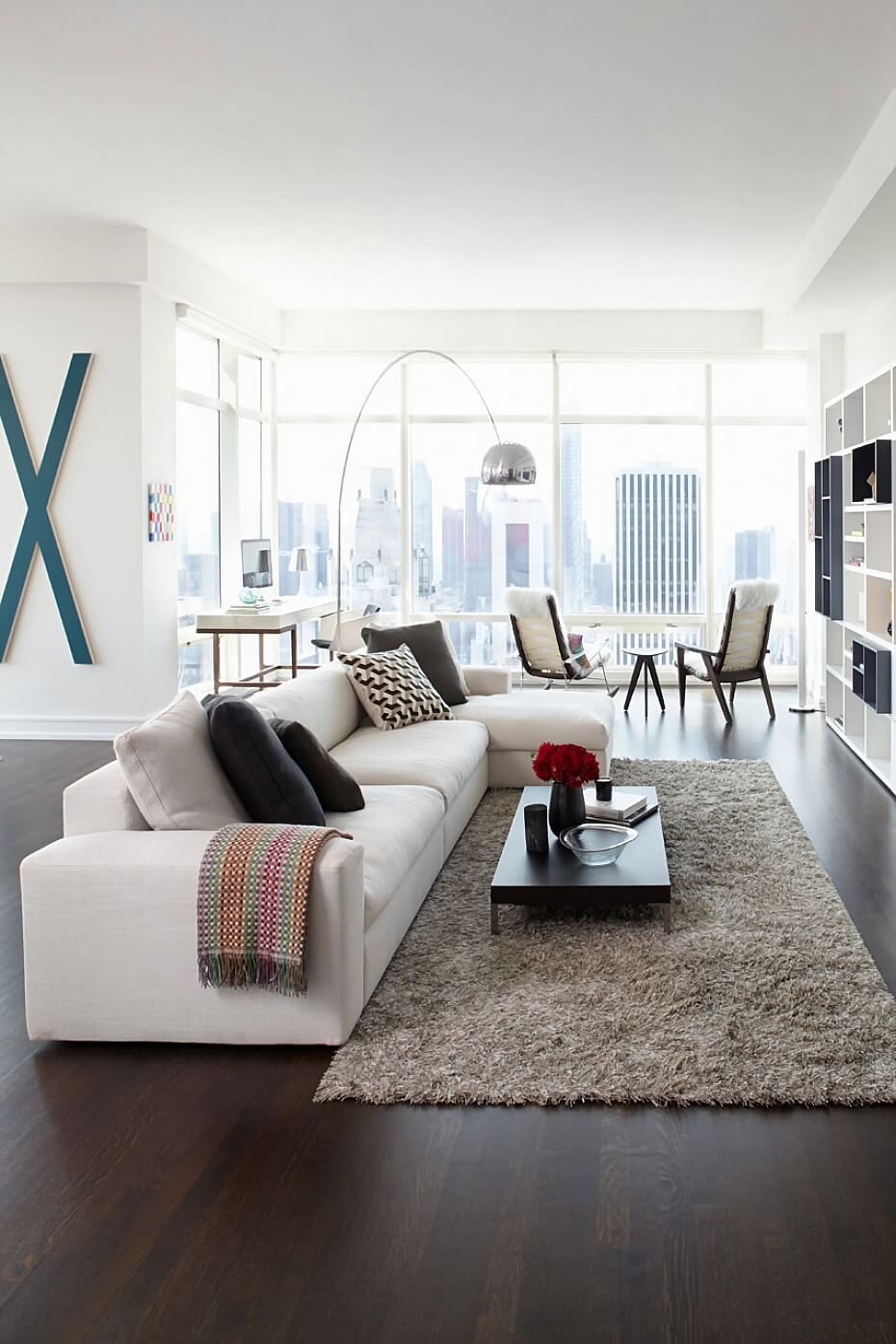
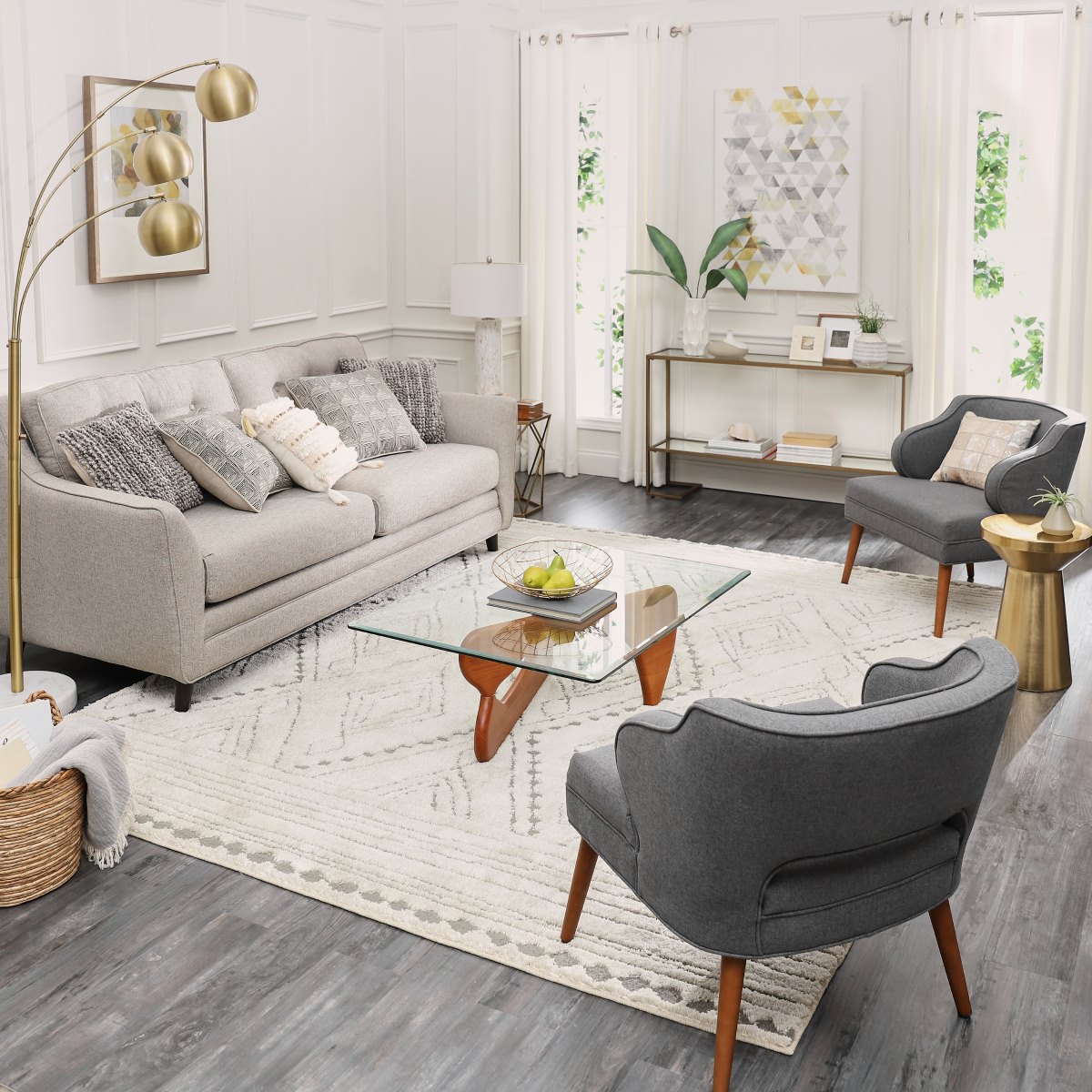
Furniture arrangement plays a crucial role in optimizing a living room with a fireplace. The fireplace’s position inherently influences furniture placement, dictating traffic flow and establishing conversational zones. A common approach involves positioning a sofa or sectional directly facing the fireplace, creating a natural gathering space anchored by the hearth’s warmth. Flanking the fireplace with armchairs or smaller seating options further enhances this arrangement, fostering intimate conversation and visual symmetry. For instance, a long, narrow living room might benefit from a loveseat and two armchairs facing the fireplace, while a larger, square room could accommodate a sectional and additional seating placed perpendicular to the fireplace, creating distinct yet connected areas within the space. The goal is to create a balanced and inviting layout that maximizes both functionality and aesthetic appeal.
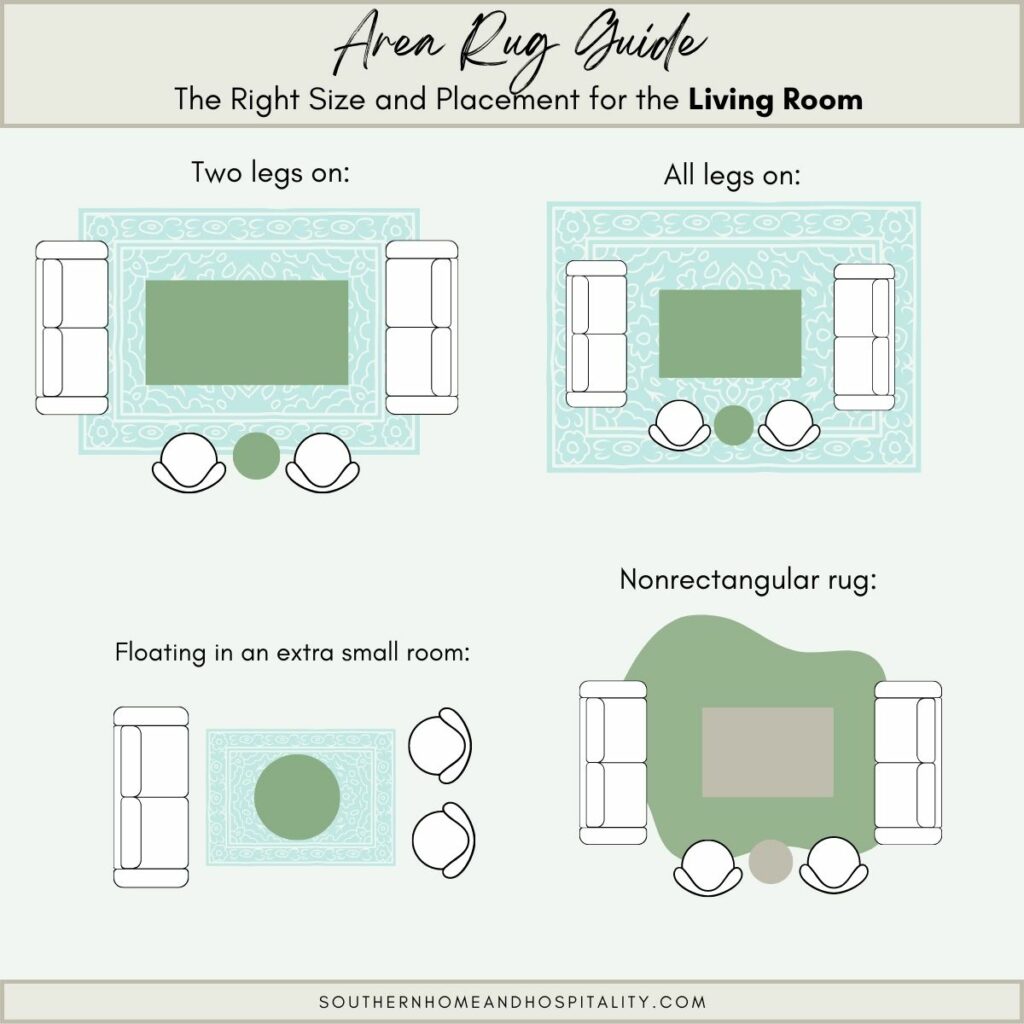
Careful consideration of scale and proportion is essential when arranging furniture around a fireplace. Oversized furniture can overwhelm a smaller fireplace, while undersized pieces might appear lost in a larger room. Maintaining appropriate clearances between furniture pieces and the fireplace is also critical, ensuring both safety and ease of movement. For example, placing a rug in front of the fireplace can delineate the conversational area and add warmth, but it should be sized appropriately to avoid obstructing the hearth or creating a tripping hazard. Similarly, coffee tables and side tables should be placed strategically to provide convenient surfaces without impeding traffic flow. This balance contributes to a well-designed and functional living space.
Successfully integrating furniture arrangement with a fireplace involves more than simply placing furniture around it. It requires a holistic approach that considers the room’s overall dimensions, the fireplace’s architectural style, and the desired atmosphere. Addressing challenges such as limited space or awkward room shapes can be achieved through creative furniture placement and the use of multifunctional pieces. Ultimately, the arrangement should enhance the fireplace’s role as a focal point while creating a comfortable and inviting environment. This synergy between furniture and fireplace creates a living room that is both visually appealing and highly functional.
3. Color Palette
Color palettes play a significant role in establishing the overall mood and aesthetic of a living room with a fireplace. The chosen palette should harmonize with the fireplace’s material and style, creating a cohesive and visually appealing space. A fireplace constructed of light-colored stone, for example, might benefit from a palette of cool blues and greens to create a serene and airy atmosphere. Conversely, a dark brick fireplace could be complemented by warm earth tones or rich jewel tones for a cozy and inviting feel. Understanding this interplay between color and material is crucial for achieving a balanced and harmonious design. The effect of color choices extends beyond mere aesthetics, influencing perceptions of warmth, spaciousness, and overall comfort.
Practical considerations also inform color palette selection. The size and orientation of the living room, the amount of natural light it receives, and the existing furniture and dcor all influence the optimal color scheme. A small living room with limited natural light, for example, might benefit from a lighter, more reflective palette to create a sense of spaciousness. In contrast, a large, well-lit room can accommodate bolder, more dramatic colors. Additionally, existing elements such as flooring, artwork, and window treatments should be considered when selecting a color palette. Harmonizing these elements through a cohesive color scheme creates a unified and visually appealing space. The impact of color choice extends beyond individual elements, contributing to the room’s overall ambiance and perceived temperature.
Successfully integrating a color palette within a fireplace-centric living room requires careful consideration of the interplay between color, light, and texture. The color palette should not only complement the fireplace but also enhance the room’s overall design. Addressing challenges, such as balancing warm and cool tones or incorporating accent colors, can be achieved through the use of color theory principles and careful planning. A well-chosen color palette creates a cohesive and inviting living room environment that maximizes the fireplace’s visual impact while reflecting the desired aesthetic. This synergy between color and design elements contributes significantly to a room’s perceived comfort and style.
4. Mantel Decor
Mantel dcor plays a pivotal role in decorating a living room with a fireplace, serving as a visual focal point that complements and enhances the fireplace’s presence. The mantel provides a dedicated display area for decorative objects, allowing for personalized expression and the creation of a curated aesthetic. A strategically styled mantel can tie together the room’s design elements, bridging the gap between the fireplace and the surrounding dcor. For example, a collection of antique clocks on a wooden mantelpiece might complement a traditional living room, while a minimalist arrangement of sculptural objects might suit a modern space. The mantel’s decorative elements influence the overall ambiance, contributing to the room’s perceived style and character.
The selection and arrangement of mantel dcor items require careful consideration of scale, proportion, and balance. Overcrowding the mantel can appear cluttered and detract from the fireplace’s impact, while a sparsely decorated mantel might appear unfinished. Effective mantel dcor often employs a combination of heights, textures, and visual weights to create a dynamic and engaging display. For instance, a large mirror placed above the mantel can create a sense of spaciousness, while flanking it with candlesticks or decorative vases adds visual interest and symmetry. Practical considerations, such as the mantel’s depth and the presence of a television above the fireplace, also influence dcor choices. The goal is to create a visually appealing arrangement that complements the fireplace without overwhelming it.
Successfully integrating mantel dcor within a fireplace-centric living room requires a cohesive approach that considers the room’s overall design scheme. The mantel dcor should harmonize with the surrounding furniture, wall treatments, and color palette to create a unified and visually appealing space. Addressing potential challenges, such as balancing visual weight or incorporating seasonal elements, contributes to a dynamic and engaging mantel display. Ultimately, well-chosen mantel dcor elevates the fireplace’s presence, enhancing the living room’s overall aesthetic appeal and creating a personalized and inviting atmosphere.
Conclusion
Optimizing a living room centered around a fireplace involves a multifaceted approach, encompassing furniture arrangement, color palette selection, and mantel dcor. Each element contributes to the overall aesthetic and functional success of the space. Prioritizing the fireplace as a focal point establishes a natural gathering area, while a well-chosen color palette enhances the room’s ambiance and complements the fireplace’s material. Thoughtful mantel dcor adds personality and visual interest, completing the cohesive design.
Creating a harmonious and inviting living room environment requires careful consideration of these interconnected elements. By understanding the interplay between focal point, furniture arrangement, color palette, and mantel dcor, one can fully realize the potential of a living room with a fireplace, transforming it into a comfortable and visually appealing space that reflects personal style and enhances the overall living experience.

:max_bytes(150000):strip_icc()/Traditional-fireplace-with-moss-green-fireplace-58e196fa3df78c5162012006.png&description=7%20Cozy%20Living%20Room%20Fireplace%20Decor%20Ideas)