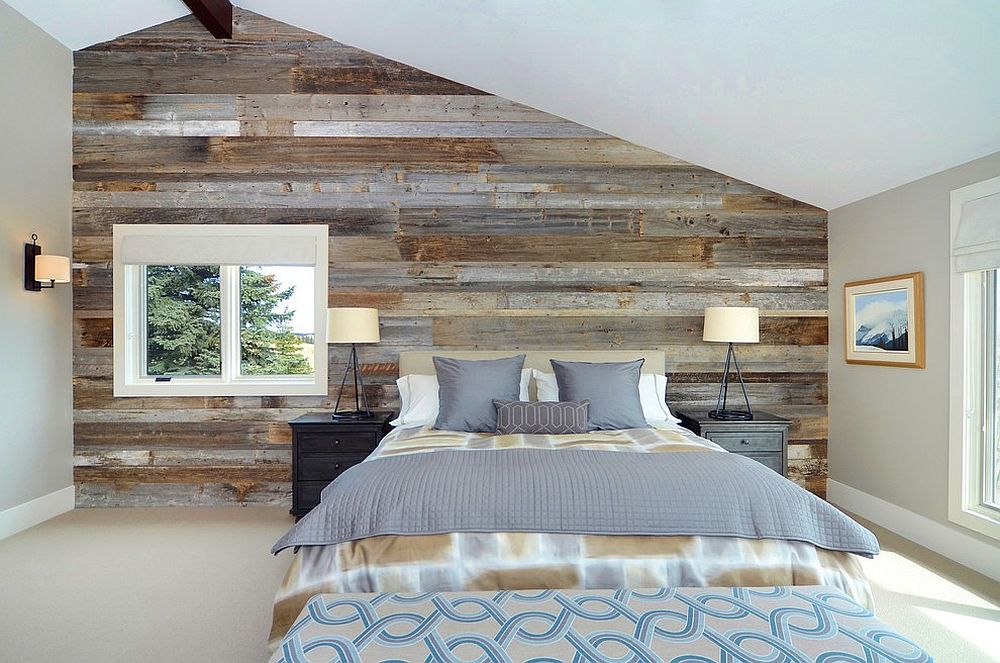
Furnishing and styling a limited space, such as a single-bedroom apartment, presents unique opportunities for creative expression. This involves careful selection of furniture, color palettes, textiles, and accessories to create a functional yet aesthetically pleasing living environment. For example, a small living area might benefit from a multi-functional sofa bed and strategically placed mirrors to maximize space and light. Thoughtful arrangement and utilization of vertical space also contribute significantly to the overall ambiance.
A well-designed living space enhances comfort and well-being. It provides a sanctuary from the outside world and reflects the occupant’s personality and lifestyle. Historically, interior design principles for smaller dwellings have emphasized efficiency and practicality. However, modern approaches prioritize creating stylish and personalized spaces, recognizing the psychological benefits of a thoughtfully curated environment. A comfortable and inviting atmosphere can improve mood, reduce stress, and increase productivity.
This discussion will explore key elements of successful small-space design, including furniture selection, color schemes, lighting techniques, and storage solutions. Practical tips and inspiring examples will be provided to help individuals transform their compact living spaces into stylish and functional havens.
1. Space Planning
Space planning forms the foundation of successful design in one-bedroom apartments. Optimizing limited square footage requires careful consideration of layout, traffic flow, and furniture placement to maximize both functionality and aesthetic appeal. Effective space planning transforms potentially cramped quarters into comfortable and stylish living environments.
-
Traffic Flow
Unimpeded movement within the apartment is crucial. Furniture placement should facilitate easy navigation between zones, avoiding obstructions and creating a sense of spaciousness. For example, positioning furniture away from main walkways prevents a cramped feeling. A clear path from the entryway to the living area and kitchen enhances the perception of flow and openness.
-
Zoning
Defining distinct areas for different activities, such as sleeping, dining, and working, enhances functionality. This can be achieved using furniture placement, rugs, or room dividers. A strategically placed bookcase can delineate a home office area within the living room, while a rug can define a separate seating area. Clear zoning maximizes the utility of each square foot.
-
Furniture Proportion and Scale
Selecting furniture appropriate for the apartment’s size is essential. Oversized pieces can overwhelm the space, while undersized furniture can appear lost. A smaller-scale sofa and chairs create a more balanced look in a compact living room. Choosing furniture with integrated storage, such as ottomans with hidden compartments, optimizes space utilization.
-
Vertical Space Utilization
Often overlooked, vertical space offers valuable storage opportunities. Tall bookshelves, wall-mounted cabinets, and floating shelves draw the eye upward, creating an illusion of height and providing ample storage without encroaching on floor space. This approach maximizes the apartment’s overall capacity.
By thoughtfully addressing these facets of space planning, occupants can create a functional and visually appealing living environment that maximizes the potential of their one-bedroom apartment. Careful consideration of these elements enhances both the aesthetic and practical aspects of small-space living.
2. Furniture Selection
Furniture selection plays a pivotal role in one-bedroom apartment decor, directly influencing both functionality and aesthetics. Careful choices maximize limited space while reflecting personal style. Cause and effect relationships exist between furniture choices and the overall ambiance. For example, selecting a bulky sofa can overwhelm a small living room, creating a cramped feeling, while a streamlined loveseat with exposed legs creates an airier atmosphere. Choosing furniture with integrated storage, such as a bed frame with drawers or a coffee table with shelves, addresses storage limitations inherent in smaller spaces. The effect of these choices is a more organized and functional living environment.
As a crucial component of successful small-space design, furniture selection requires a strategic approach. Multi-functional pieces are particularly valuable. A sofa bed, for instance, serves as both seating and sleeping accommodations, maximizing space utilization. Similarly, a drop-leaf dining table can expand for entertaining and fold down to conserve space when not in use. Nesting tables offer flexible surface area and can be easily tucked away when not needed. These practical choices contribute significantly to the overall livability and comfort of a one-bedroom apartment.
Prioritizing quality over quantity ensures longevity and contributes to a more refined aesthetic. Investing in a few well-made, durable pieces rather than numerous inexpensive items creates a more curated and stylish environment. Furthermore, selecting furniture with a consistent design language establishes visual cohesion. For example, choosing pieces with similar lines, materials, or finishes creates a sense of harmony throughout the apartment. Understanding the impact of furniture choices empowers individuals to create functional, stylish, and comfortable one-bedroom apartment interiors. Addressing the inherent challenges of limited space through thoughtful furniture selection elevates both the aesthetic appeal and practical functionality of the living environment.
3. Color and Light
Color and light are integral components of successful one-bedroom apartment decor, significantly impacting perceived spaciousness and overall ambiance. Strategic use of these elements can transform a compact space into a bright and inviting haven. Understanding the interplay between color, light, and spatial perception allows for informed design choices that maximize both aesthetic appeal and psychological comfort.
-
Wall Color
Lighter wall colors, such as soft whites, pastels, and cool grays, reflect more light, creating an illusion of spaciousness. Darker hues absorb light, making a room feel smaller. In a one-bedroom apartment, opting for lighter wall colors can visually expand the perceived square footage, contributing to a more open and airy atmosphere. For instance, a pale gray living room will appear larger than a charcoal gray one, even with the same dimensions.
-
Natural Light Optimization
Maximizing natural light is crucial in small spaces. Keeping window treatments minimal allows more sunlight to enter, enhancing brightness and reducing the need for artificial lighting during the day. Sheer curtains or blinds offer privacy while still permitting light to filter through. Positioning mirrors strategically can reflect natural light deeper into the apartment, further amplifying its effect and reducing the sense of confinement.
-
Artificial Lighting Layers
Layering artificial lighting sources creates depth and visual interest. Combining ambient lighting, such as overhead fixtures or recessed lights, with task lighting, like table lamps and floor lamps, provides focused illumination for specific activities. Accent lighting, directed at artwork or architectural features, adds a decorative touch and enhances the overall ambiance. This layered approach allows for adaptable lighting schemes to suit various needs and moods.
-
Color Temperature
Color temperature, measured in Kelvin (K), influences the mood of a space. Warmer tones (2700-3000K) create a cozy and inviting atmosphere, while cooler tones (5000-6500K) promote alertness and focus. Selecting appropriate color temperatures for different areas within the apartment enhances functionality. For example, warmer lighting in the bedroom promotes relaxation, while cooler lighting in a home office area encourages concentration.
Through the skillful manipulation of color and light, occupants can dramatically enhance the perceived size and atmosphere of their one-bedroom apartments. A holistic approach that considers wall color, natural light optimization, artificial lighting layers, and color temperature creates a harmonious and functional living environment that maximizes comfort and aesthetic appeal.
4. Personal Touches
Personal touches are essential for transforming a one-bedroom apartment from a functional living space into a true reflection of individual style and personality. These elements infuse the space with character and warmth, creating a sense of belonging and comfort. The impact of personal touches extends beyond mere aesthetics; they contribute significantly to the psychological well-being of occupants by fostering a sense of ownership and connection with their surroundings. A carefully curated collection of personal items can transform a generic apartment into a unique and inviting home. For example, displaying cherished photographs, travel souvenirs, or handcrafted items imbues the space with personal meaning and creates visual interest.
Incorporating textiles, such as throw pillows, blankets, and rugs, offers opportunities to introduce color, texture, and pattern, further enhancing the personalized aesthetic. Textiles can also delineate different zones within an open-plan layout, creating visual separation between living and sleeping areas. Artwork, whether paintings, prints, or sculptures, adds another layer of personality and can serve as a focal point within the room. Selecting pieces that resonate with individual tastes and interests further enhances the sense of personal expression. Even seemingly small details, like choosing decorative bookends or displaying a collection of vintage pottery, can contribute significantly to the overall character of the space.
Integrating personal touches successfully requires a balanced approach. Over-accessorizing can lead to a cluttered and chaotic feel, counteracting the intended effect of creating a comfortable and inviting atmosphere. Careful editing and thoughtful placement are key. Choosing a few well-placed items that hold personal significance creates a more impactful and curated aesthetic. Ultimately, the effective integration of personal touches in one-bedroom apartment decor allows individuals to create a living environment that not only meets their practical needs but also nurtures their sense of self and enhances their overall well-being. This personalization transforms a mere dwelling into a true home, reflecting the unique identity and lifestyle of its occupant.
One-Bedroom Apartment Decor
Effective design in single-bedroom apartments necessitates a comprehensive approach encompassing space planning, furniture selection, color and light manipulation, and the integration of personal touches. Strategic space planning optimizes functionality and flow, while carefully chosen furniture maximizes utility and reflects individual style. The interplay of color and light enhances perceived spaciousness and creates desired moods. Finally, personal touches imbue the space with character and warmth, transforming a functional apartment into a personalized haven.
Successful one-bedroom apartment decor transcends mere aesthetics; it represents a holistic approach to creating a living environment that supports both practical needs and psychological well-being. By understanding the principles outlined herein, occupants can transform limited square footage into comfortable, stylish, and deeply personal spaces. This mindful approach to design elevates the experience of small-space living, demonstrating that thoughtful design can significantly enhance quality of life, regardless of square footage.