Optimizing bedroom space involves strategically placing furniture and other elements to maximize functionality and create a comfortable environment. For instance, positioning a bed to allow easy access and a clear view of the door, while ensuring ample walking space, demonstrates effective space planning. This also includes considering factors such as lighting, storage, and personal preferences to achieve a harmonious and restful atmosphere.
A well-arranged bedroom promotes relaxation and improves sleep quality, directly impacting overall well-being. Historically, bedroom layouts have evolved from simple sleeping quarters to personalized sanctuaries reflecting individual needs and aesthetics. This emphasizes the enduring human desire for a comfortable and private retreat.
Key considerations for creating an optimal bedroom layout include analyzing available space, selecting appropriate furniture, and incorporating design principles that enhance both functionality and aesthetics. These factors will be explored in detail to provide a comprehensive guide to bedroom arrangement.
1. Space Planning
Space planning forms the foundation of effective bedroom arrangement. A well-planned space maximizes functionality and comfort, creating a harmonious environment conducive to rest and relaxation. Understanding the principles of space planning is crucial for optimizing a bedroom’s potential.
-
Traffic Flow
Analyzing traffic flow within the bedroom ensures easy navigation and prevents a cramped or cluttered feel. Consider pathways between key furniture pieces, such as the bed, dresser, and closet, aiming for unobstructed movement. For example, sufficient space around the bed allows comfortable access from both sides, while a clear path to the door enhances the feeling of spaciousness.
-
Furniture Dimensions
Careful consideration of furniture dimensions relative to room size prevents overcrowding. Selecting appropriately sized pieces maximizes space utilization. A king-size bed in a small room can overwhelm the space, while a smaller bed or alternative sleeping arrangements might offer a more balanced layout. Measuring furniture and the room itself helps ensure a comfortable and functional arrangement.
-
Vertical Space
Utilizing vertical space maximizes storage and minimizes clutter. Shelving, wall-mounted storage units, and tall dressers provide ample storage without encroaching on floor space. This is particularly crucial in smaller bedrooms, allowing for efficient organization and a cleaner aesthetic.
-
Focal Point
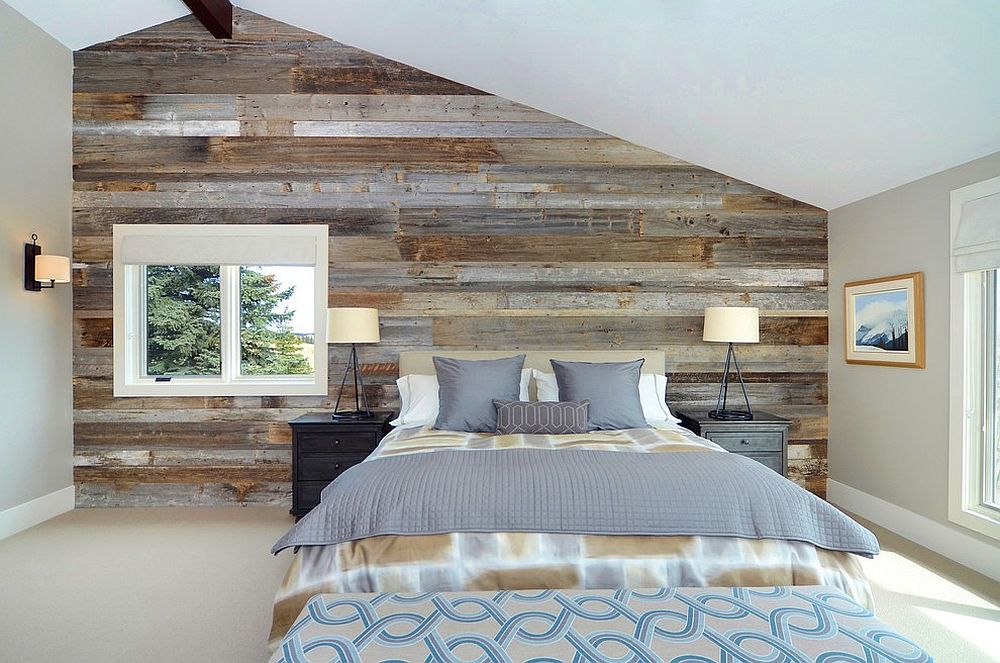
Establishing a focal point, typically the bed, anchors the room and provides a visual center. Arranging furniture around the focal point creates a sense of balance and harmony. This can be further enhanced by aligning other design elements, such as lighting and dcor, with the established focal point.
By integrating these facets of space planning, a bedroom can be transformed into a functional and aesthetically pleasing retreat. Careful consideration of traffic flow, furniture dimensions, vertical space utilization, and focal point establishment creates a balanced and harmonious environment that promotes relaxation and well-being.
2. Furniture Placement
Furniture placement plays a pivotal role in bedroom arrangement, directly impacting both functionality and aesthetic appeal. Strategic placement optimizes space utilization and influences the overall atmosphere of the room. Consider the cause-and-effect relationship: a bed placed against a wall maximizes floor space, while positioning it centrally creates a sense of grandeur. The placement of other furniture pieces, such as nightstands, dressers, and seating, further contributes to the room’s flow and usability. For instance, placing a dresser near the closet streamlines the dressing process, while a strategically positioned armchair creates a cozy reading nook.
As a crucial component of bedroom arrangement, furniture placement requires careful consideration. A poorly placed bed can disrupt traffic flow and create a cramped environment, while an ill-positioned dresser might limit access to natural light or hinder window operation. Conversely, thoughtful placement enhances the room’s functionality. Placing a desk near a window provides natural light for work or study, while positioning a mirror strategically can create an illusion of spaciousness. These practical applications demonstrate the significance of furniture placement in creating a well-arranged bedroom.
Effective furniture placement requires a balanced approach, considering both practical needs and aesthetic preferences. Challenges such as limited space or awkward room shapes can be addressed through creative placement strategies, such as utilizing vertical space with tall bookshelves or opting for multi-functional furniture. Ultimately, successful furniture placement contributes significantly to a well-organized, functional, and visually appealing bedroom, promoting comfort and enhancing the overall living experience.
3. Personalization
Personalization represents the crucial final stage in bedroom arrangement, transforming a functional space into a true reflection of individual style and preferences. It moves beyond mere functionality, injecting personality and creating an environment that promotes comfort and well-being. Color palettes, textiles, artwork, and decorative accessories play significant roles in this process. Choosing calming hues for wall colors and bedding can foster a tranquil atmosphere, while incorporating vibrant accents through artwork or throw pillows can energize the space. The considered selection of textures, from soft rugs to plush bedding, adds depth and sensory richness to the room. In essence, personalization cultivates a sanctuary tailored to individual needs and tastes, turning a bedroom into more than just a place to sleep.
Personalization as a component of bedroom arrangement offers significant practical implications. The deliberate choice of lighting fixtures, for example, influences both the mood and functionality of the room. Soft, ambient lighting creates a relaxing atmosphere for unwinding, while task lighting facilitates activities such as reading or working. Incorporating personal mementos and cherished possessions further enhances the sense of ownership and comfort. A gallery wall showcasing photographs or a bookshelf displaying favorite books imbues the space with personal significance, transforming it into a haven that truly feels like home. These tangible elements contribute to a more personalized and enriching experience within the bedroom environment.
Successfully integrating personalization requires a balance between self-expression and maintaining a harmonious aesthetic. Over-personalization can lead to visual clutter and a sense of disorganization, detracting from the overall comfort and functionality of the space. The key lies in thoughtful curation and mindful selection of elements that reflect individual preferences while contributing to a cohesive and restful environment. Successfully navigating this balance results in a bedroom that is both deeply personal and aesthetically pleasing, a space that promotes relaxation and reflects the unique identity of its occupant.
Conclusion
Optimizing bedroom arrangement involves a multifaceted approach encompassing space planning, strategic furniture placement, and thoughtful personalization. Effective space utilization maximizes functionality, ensuring comfortable traffic flow and accessibility. Careful furniture placement contributes to both practicality and aesthetics, dictating the room’s overall feel and usability. Finally, personalization injects individuality, transforming the space into a sanctuary that reflects personal style and promotes well-being.
A well-arranged bedroom transcends mere aesthetics; it directly impacts quality of life by fostering a restful and restorative environment. Investing time and consideration in these organizational principles yields significant returns in comfort, functionality, and overall well-being. The bedroom, as a private retreat, deserves careful attention to detail, ultimately contributing to a more harmonious and fulfilling living experience.



:max_bytes(150000):strip_icc()/bedroom-tufted-headboard-3yAcu1oxa-CAArOLXDs3Tb-010bc198f9694c1f922e54ff4a74d241.jpg&description=7%20Tips%3A%20How%20to%20Arrange%20a%20Bedroom%20Like%20a%20Pro)