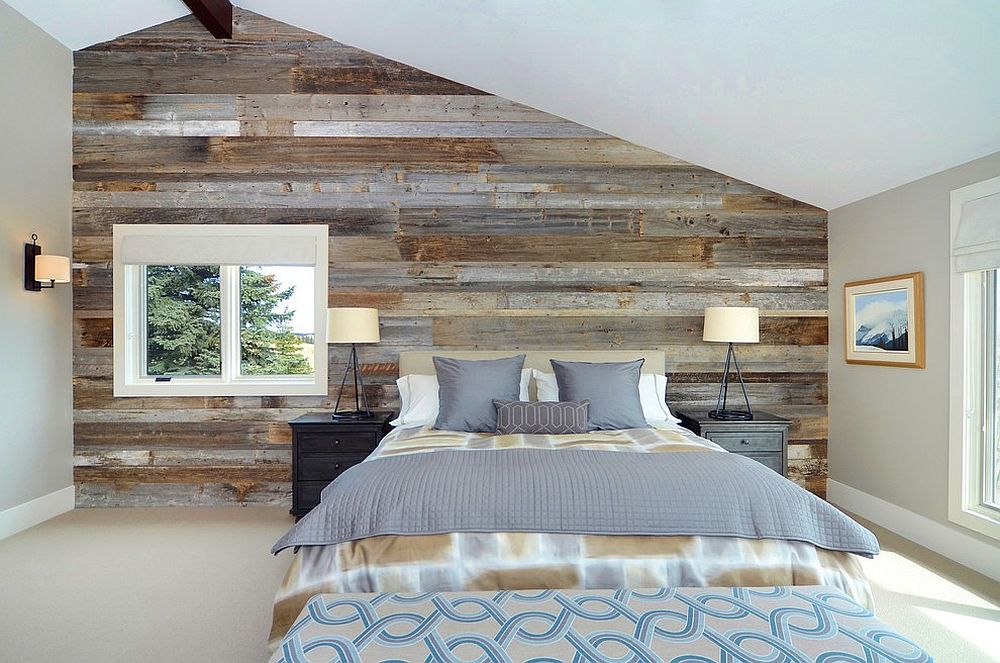
Maintaining a comfortable bedroom temperature, especially during warmer months or in hot climates, involves a variety of strategies encompassing ventilation, insulation, and cooling techniques. For instance, strategically opening windows at night and closing them during the day can maximize airflow and minimize heat absorption. Utilizing blackout curtains can also significantly reduce solar heat gain.
A cool bedroom is crucial for restful sleep, improved overall health, and enhanced productivity. Studies have shown a direct correlation between temperature and sleep quality; a cooler environment promotes deeper, more restorative sleep cycles. Historically, people have utilized passive cooling techniques like natural ventilation and building materials with high thermal mass to maintain comfortable indoor temperatures before the advent of modern air conditioning.
This article will explore several effective methods for achieving a cooler bedroom environment, covering topics such as improving airflow, maximizing insulation, utilizing fans effectively, and understanding the role of bedding and other textiles.
1. Ventilation
Effective ventilation is a cornerstone of maintaining a cool bedroom environment. It facilitates the exchange of warm indoor air with cooler outdoor air, reducing stuffiness and promoting comfortable temperatures. Strategic ventilation methods can significantly impact a room’s temperature, particularly during warmer months.
-
Natural Ventilation
Natural ventilation utilizes the flow of natural breezes and temperature differentials to cool a space. Opening windows and doors strategically, particularly during cooler periods like evenings and early mornings, allows cooler air to enter while expelling warmer air. Creating a cross-breeze by opening windows on opposite sides of the room maximizes air circulation. This method requires minimal energy consumption and provides fresh, outdoor air.
-
Mechanical Ventilation
When natural ventilation is insufficient, mechanical ventilation systems, such as ceiling fans or exhaust fans, can enhance airflow. Ceiling fans create a wind-chill effect, making the room feel cooler even without altering the air temperature. Exhaust fans expel hot, stale air from the room, drawing in cooler air from other areas. These methods can be particularly useful during periods of high humidity or stagnant air.
-
Whole-House Ventilation
Whole-house ventilation systems, such as attic ventilators or ridge vents, play a vital role in expelling hot air that accumulates in the upper levels of a home. By removing this trapped heat, these systems prevent it from radiating down into the bedrooms below, contributing to a cooler overall temperature. They also help regulate humidity levels throughout the house.
-
Air Filtration and Purification
While not directly related to cooling, integrating air filtration and purification with ventilation strategies can further enhance bedroom comfort. These systems remove dust, allergens, and other pollutants from the air, promoting better sleep quality and respiratory health. Clean, filtered air contributes to a more refreshing and comfortable environment, particularly for individuals sensitive to airborne particles.
By strategically combining these ventilation techniques, a comfortable and cool bedroom environment can be achieved, improving sleep quality and overall well-being. Evaluating the specific climate and architectural features of the bedroom allows for tailored ventilation solutions that maximize effectiveness and minimize energy consumption.
2. Insulation
Effective insulation plays a crucial role in maintaining a cool bedroom environment by minimizing heat transfer between the interior and exterior of the house. It acts as a barrier, reducing the impact of external temperature fluctuations on indoor comfort. Proper insulation contributes significantly to a more stable and comfortable bedroom temperature, particularly during periods of extreme heat or cold.
-
Attic Insulation
Attic insulation forms the first line of defense against solar heat gain. Sufficient insulation in the attic prevents heat from radiating down into the rooms below, keeping the bedroom cooler during hot weather. Common materials include fiberglass batts, blown-in cellulose, and spray foam. The appropriate R-value, a measure of thermal resistance, depends on the climate and building characteristics.
-
Wall Insulation
Wall insulation further limits heat transfer between the exterior and interior of the house. While more challenging to retrofit than attic insulation, it offers substantial long-term benefits in terms of temperature regulation. Cavity insulation, blown-in insulation, and exterior insulation systems can all contribute to improved thermal performance. Properly insulated walls create a more consistent indoor temperature, minimizing fluctuations caused by external conditions.
-
Window Insulation
Windows represent a significant source of heat gain and loss. Improving window insulation through measures like double-paned windows, low-E coatings, and window films helps maintain a cooler indoor temperature during summer. These strategies reduce the amount of solar heat that enters the room while also minimizing heat transfer through conduction. Well-insulated windows contribute to a more stable and comfortable bedroom environment year-round.
-
Weather Stripping and Caulking
While not strictly insulation materials, weather stripping and caulking seal air leaks around windows and doors, preventing drafts and reducing heat transfer. These simple and cost-effective measures can significantly improve the effectiveness of other insulation strategies by minimizing unwanted air exchange. Addressing air leaks contributes to a more consistent indoor temperature and reduces the workload on cooling systems.
By addressing each of these aspects of insulation, a significant improvement in bedroom temperature regulation can be achieved. A well-insulated bedroom remains cooler in the summer and warmer in the winter, contributing to increased comfort and reduced energy costs. The appropriate insulation strategy depends on the specific characteristics of the home and the local climate.
3. Cooling Systems
Cooling systems play a critical role in achieving and maintaining a comfortable bedroom temperature, especially in warm climates or during summer months. These systems range from simple, energy-efficient solutions to more complex, climate-control technologies. Selecting an appropriate cooling system depends on factors such as budget, room size, climate, and individual preferences. Effective cooling contributes significantly to improved sleep quality, increased comfort, and enhanced overall well-being.
-
Air Conditioning Units
Air conditioning units offer the most effective cooling solution, providing precise temperature control and humidity regulation. Window units are cost-effective for single rooms, while central air conditioning systems cool entire homes. Energy efficiency ratings, such as SEER and EER, should be considered when selecting a unit to minimize operating costs. Proper sizing is crucial for optimal performance; an undersized unit will struggle to cool the space effectively, while an oversized unit can lead to excessive energy consumption and humidity issues.
-
Fans
Fans offer a less energy-intensive cooling method by circulating air and creating a wind-chill effect. Ceiling fans, tower fans, and desk fans can all contribute to a cooler feeling in a room. While fans do not lower the actual air temperature, the increased airflow promotes evaporation of perspiration, leading to a perceived cooling effect. Strategically positioning fans to maximize airflow can enhance their effectiveness.
-
Evaporative Coolers
Evaporative coolers, also known as swamp coolers, offer an energy-efficient cooling solution suitable for dry climates. These systems cool the air through the evaporation of water, providing a natural and cost-effective alternative to traditional air conditioning. However, evaporative coolers add humidity to the air, making them less suitable for humid climates. Regular maintenance, including cleaning and water changes, is essential for optimal performance.
-
Heat Pumps
Heat pumps provide both heating and cooling capabilities, offering a versatile solution for year-round climate control. These systems transfer heat between the indoor and outdoor environments, making them more energy-efficient than traditional air conditioning units. Heat pumps are particularly effective in moderate climates but may struggle to provide sufficient cooling during periods of extreme heat. Proper sizing and installation are critical for maximizing efficiency and performance.
The choice of cooling system significantly impacts the ability to maintain a comfortable bedroom temperature. Evaluating the specific needs and characteristics of the space, along with considering energy efficiency and budget constraints, informs the selection of the most appropriate cooling strategy. Implementing effective cooling solutions contributes directly to improved sleep quality, increased comfort, and enhanced overall well-being during warmer months or in hot climates.
4. Bedding Choices
Bedding choices significantly influence bedroom temperature and, consequently, sleep quality. Material, thread count, and weave contribute to a bedding set’s breathability and heat retention properties. Natural fibers like cotton, linen, and bamboo wick away moisture and allow for better air circulation, promoting a cooler sleeping environment. Conversely, synthetic materials like polyester tend to trap heat and moisture, leading to discomfort and increased body temperature during sleep. Thread count, while often associated with luxury, does not necessarily equate to coolness. Higher thread counts can sometimes create a denser fabric that traps heat, while lower thread counts often provide better breathability. Similarly, a looser weave allows for more airflow than a tight, dense weave.
Consider a lightweight cotton blanket compared to a heavy down comforter. During warmer months, the cotton blanket allows for greater airflow and heat dissipation, keeping the sleeper cool and comfortable. The down comforter, while ideal for colder climates, traps heat and can lead to overheating in a warm bedroom. Similarly, choosing linen sheets over satin sheets can significantly impact temperature regulation. Linen’s natural breathability and moisture-wicking properties create a cooler, drier sleeping surface compared to satin, which tends to retain heat and moisture. These practical examples illustrate the importance of considering bedding properties when aiming for a cool and comfortable sleeping environment.
Optimizing bedding choices for a cooler bedroom involves prioritizing natural, breathable fabrics with lower thread counts and looser weaves. Recognizing the impact of bedding materials on temperature regulation empowers individuals to make informed decisions that contribute to a more comfortable and restful sleep experience. Addressing this aspect, in conjunction with other cooling strategies, contributes significantly to an overall strategy for maintaining an optimally cool bedroom environment.
5. Window Treatments
Window treatments play a crucial role in regulating bedroom temperature by controlling the amount of solar heat that enters a room. Strategic use of curtains, blinds, shades, and films can significantly reduce heat gain, keeping the bedroom cooler during the day and contributing to a more comfortable sleeping environment. Effective window treatments act as a barrier against direct sunlight, minimizing its warming effect on the indoor space.
-
Blackout Curtains
Blackout curtains are designed to block a significant portion of sunlight and ultraviolet (UV) rays. Their dense, tightly woven fabric effectively reduces heat transfer, keeping the room cooler during hot weather. For example, using blackout curtains in a west-facing bedroom can prevent the intense afternoon sun from overheating the space. Their ability to darken a room also improves sleep quality by eliminating light disturbances.
-
Cellular Shades
Cellular shades, also known as honeycomb shades, feature a unique cellular structure that traps air, creating an insulating barrier against heat and cold. This design reduces heat transfer through the window, contributing to a more stable room temperature. Their insulating properties make them suitable for both summer and winter temperature regulation. Furthermore, they offer varying degrees of light filtering, allowing for control over natural light levels.
-
Solar Shades and Films
Solar shades and films are specifically designed to reduce solar heat gain while maintaining visibility. These treatments reflect a significant portion of sunlight back outwards, minimizing the amount of heat that enters the room. Solar films applied directly to the window glass provide a discreet solution for heat reduction without obstructing the view. They are particularly beneficial in rooms with large windows or those facing direct sunlight.
-
Blinds
Blinds offer adjustable control over light and privacy, with varying degrees of heat control depending on the material and design. Wood blinds and faux wood blinds offer some insulation, while aluminum blinds reflect sunlight. The angle of the slats can be adjusted to direct sunlight upwards, reducing direct heat gain while still allowing for natural light. Combining blinds with curtains can provide additional insulation and light control.
By strategically selecting and utilizing appropriate window treatments, significant reductions in bedroom temperature can be achieved. Combining different types of window treatments can further enhance their effectiveness, optimizing both light control and temperature regulation. These measures contribute significantly to a cooler, more comfortable, and energy-efficient bedroom environment, particularly during warmer months or in hot climates.
Maintaining a Cool Bedroom
Achieving a comfortably cool bedroom environment necessitates a multifaceted approach encompassing ventilation, insulation, cooling systems, bedding choices, and window treatments. Optimizing airflow through natural and mechanical ventilation strategies expels warm air and introduces cooler air. Effective insulation minimizes heat transfer, while appropriate cooling systems provide additional temperature control. Judicious bedding choices, prioritizing natural and breathable materials, further enhance comfort. Finally, strategic window treatments regulate solar heat gain, contributing significantly to a cooler indoor space. Each of these elements plays a crucial role in creating a conducive environment for restful sleep and overall well-being.
Creating and maintaining a cool bedroom is an investment in both comfort and health. Implementing these strategies offers significant long-term benefits, promoting better sleep, increased productivity, and reduced reliance on energy-intensive cooling solutions. A proactive approach to bedroom temperature regulation empowers individuals to create a personalized environment conducive to restorative rest and overall well-being.