Optimal floor covering selection and placement significantly enhance the aesthetics and functionality of a living space. Consider a large, unified seating area anchored by a rug that extends beneath all furniture legs. Conversely, in a smaller conversation area, a rug placed centrally beneath a coffee table, with front furniture legs resting on it, can create a sense of intimacy. These choices exemplify how strategic floor covering decisions impact a room’s atmosphere and utility.
Well-chosen floor coverings delineate spaces, add warmth and texture, and protect flooring. Historically, rugs served as insulation and status symbols, evolving from simple woven mats to intricate works of art. This historical significance underscores their continued importance in contemporary interior design as both functional and decorative elements.
This exploration will delve into the practical and aesthetic considerations involved in selecting the appropriate size, material, pattern, and placement for floor coverings within a living area, transforming a house into a welcoming home.
1. Size
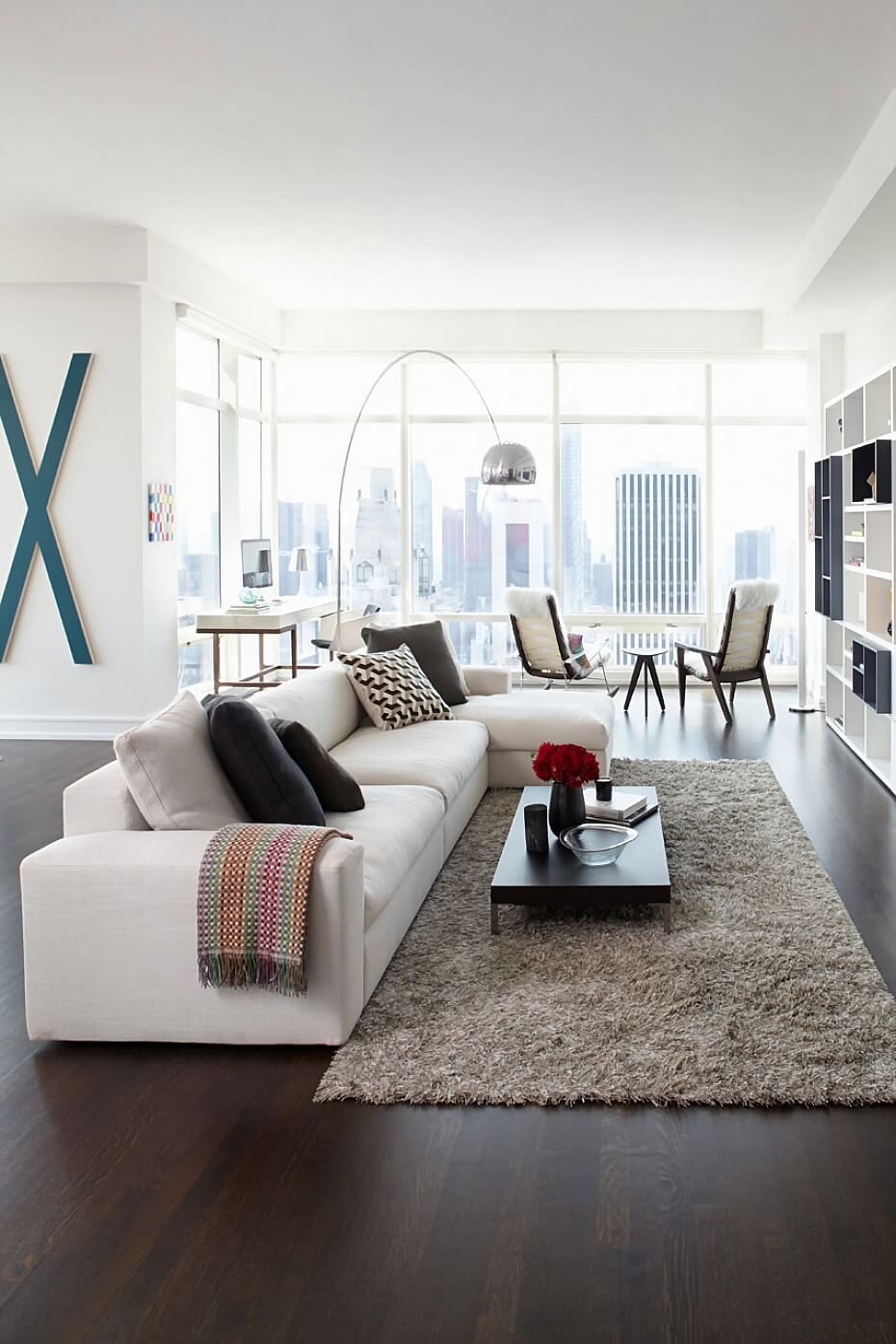
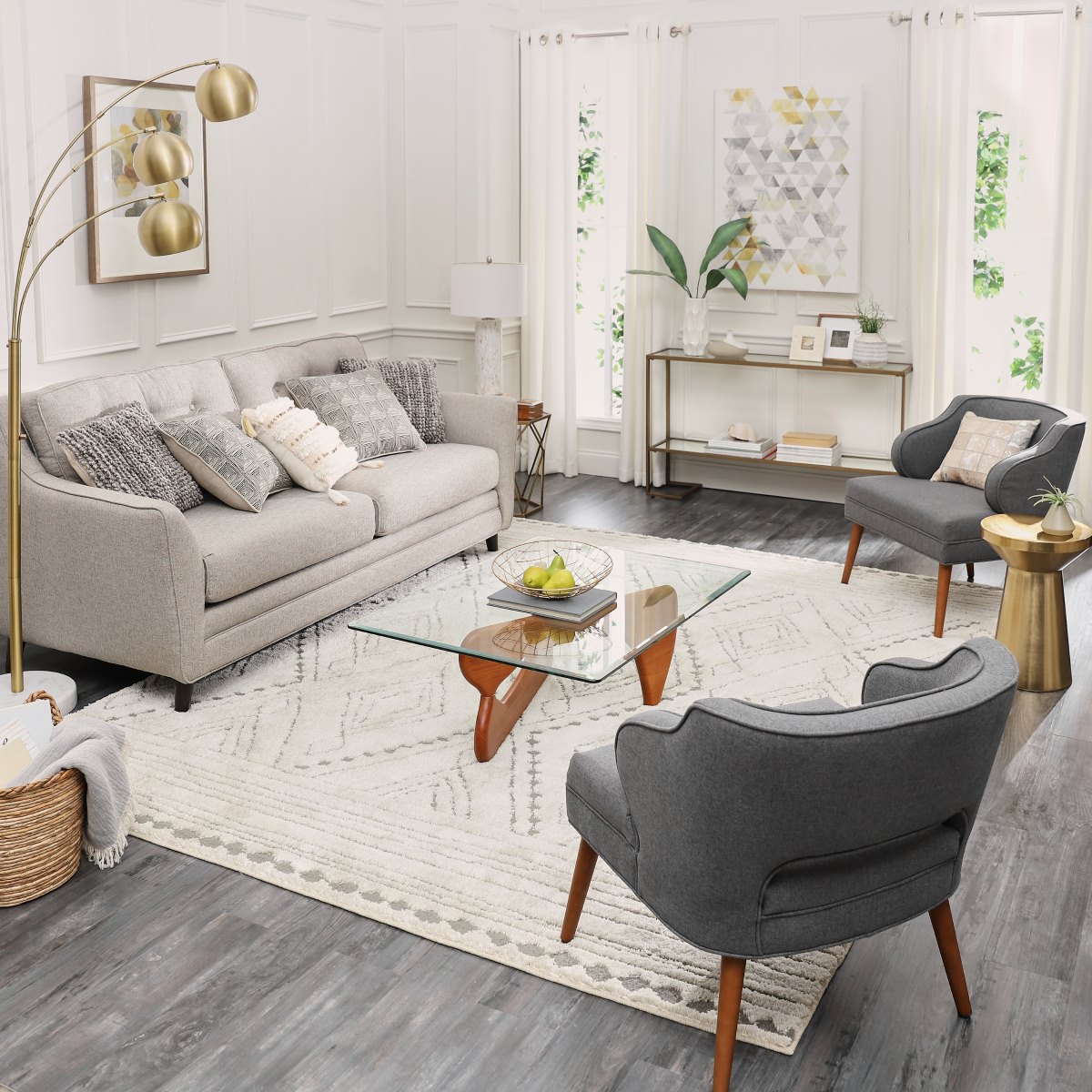
Appropriate rug dimensions are crucial for achieving a balanced and harmonious living room aesthetic. A rug that is too small can make the furniture appear disjointed and the room feel smaller than its actual size. Conversely, an excessively large rug can visually overwhelm the space, diminishing the impact of other design elements. The rug’s size should relate directly to the furniture grouping it anchors. For instance, in a seating area, all major furniture pieces, such as sofas, armchairs, and coffee tables, ideally rest partially or entirely upon the rug, creating a unified and visually pleasing arrangement. This connection between furniture and floor covering establishes a sense of scale and proportion within the room.
Consider a standard living room with a sofa and two armchairs. A rug that extends only beneath the coffee table, leaving the seating furniture disconnected, would fragment the space. In contrast, a rug large enough to accommodate the front legs of the sofa and armchairs unifies the seating area, creating a sense of cohesiveness and visual flow. In larger rooms, multiple rugs can define distinct zones, such as a conversation area and a reading nook, provided each rug adheres to appropriate sizing principles relative to its respective furniture grouping. This nuanced approach to sizing contributes significantly to the overall design scheme.
Selecting the correct rug size is a fundamental aspect of successful living room design. It impacts not only the visual appeal but also the functionality and perceived spaciousness of the room. Careful consideration of furniture dimensions and the desired spatial effect will guide appropriate rug selection, ultimately optimizing the balance and harmony of the living space. Neglecting this crucial element can undermine even the most meticulously planned interior design scheme. Careful measurement and visualization are key to ensuring the rug contributes positively to the overall room ambiance.
2. Placement
Rug placement significantly influences a living room’s perceived dimensions and functionality. Strategic placement anchors furniture groupings, defines conversational areas, and dictates traffic flow. A rug acts as a visual anchor, uniting disparate furniture pieces into a cohesive whole. Consider a living room with a sofa, armchairs, and a coffee table. Placing a rug centrally beneath this grouping connects these elements, establishing a defined conversation area. Conversely, a misplaced rug, such as one floating in the center of the room without anchoring any furniture, can disrupt visual flow and make the space feel disjointed.
Placement choices further delineate functional zones within larger living rooms. A smaller rug placed beneath a reading chair and side table creates a distinct reading nook, separate from the main seating area. This targeted placement strategy enhances both visual organization and practical usability. Furthermore, rug placement affects perceived spatial proportions. In smaller rooms, leaving a border of bare flooring around the perimeter of a rug can create an illusion of spaciousness. Conversely, extending a rug closer to the walls in a larger room can enhance feelings of warmth and intimacy. These nuanced placement strategies demonstrate the impact of floor covering choices beyond mere aesthetics.
Effective rug placement requires careful consideration of furniture arrangement, traffic patterns, and desired spatial effects. A poorly placed rug can disrupt the intended design scheme, regardless of its aesthetic merits. Analyzing the room’s layout and function before placing a rug is crucial for maximizing its positive contribution to the overall design and functionality. Appropriate placement transforms a rug from a mere floor covering into a key design element that shapes the perception and experience of the living space.
3. Material
Rug material selection significantly impacts both the aesthetic and practical aspects of a living room. The chosen material influences the rug’s texture, durability, maintenance requirements, and overall contribution to the room’s ambiance. Careful consideration of lifestyle, existing dcor, and desired functionality is essential for informed material selection.
-
Durability and Lifestyle
Material durability directly correlates with a rug’s ability to withstand wear and tear. High-traffic areas necessitate durable materials like wool, synthetic fibers, or jute. Wool, a natural fiber, offers resilience, stain resistance, and a luxurious feel, making it suitable for busy living rooms. Synthetic options, such as polypropylene or nylon, provide exceptional durability, stain resistance, and affordability, making them ideal for households with children or pets. Jute, a natural fiber known for its strength and texture, offers a more rustic aesthetic while maintaining reasonable durability.
-
Texture and Comfort
Material texture contributes to the tactile and visual experience of a living room. Soft, plush materials like wool or silk create a luxurious and inviting atmosphere. Conversely, coarser textures like jute or sisal offer a more casual and natural feel. The chosen texture should complement the overall design scheme and desired level of comfort. A thick, high-pile rug creates a cozy ambiance, while a flatweave rug offers a more streamlined and contemporary look. Understanding the interplay between texture and comfort is essential for creating a harmonious and inviting living space.
-
Maintenance and Cleaning
Practical considerations, such as cleaning and maintenance, influence material suitability. Natural fibers like wool, while durable, may require professional cleaning for certain stains. Synthetics offer easier cleaning and stain resistance, often requiring only simple spot cleaning. The chosen material should align with lifestyle and cleaning preferences. A household with allergies might benefit from synthetic, hypoallergenic options. Busy households might prioritize easy-to-clean materials for convenience.
-
Aesthetics and Style
Material choice significantly impacts a living room’s visual character. Natural fibers like wool and silk exude a sense of luxury and sophistication, while synthetics offer a wider range of colors and patterns. Jute and sisal contribute a natural, earthy aesthetic. The rug’s material should harmonize with the overall design scheme, complementing furniture, wall colors, and other decorative elements. A Persian rug, for example, adds a traditional and ornate touch, while a neutral-toned jute rug complements a minimalist or bohemian aesthetic.
By carefully considering these factors durability, texture, maintenance, and aesthetics homeowners can select a rug material that not only enhances the visual appeal of their living room but also aligns with their practical needs and lifestyle. The interplay of these elements ultimately determines the rug’s contribution to the overall comfort, functionality, and design integrity of the living space.
Living Room Rug Rules
Strategic implementation of these guidelinessize, placement, and material selectionelevates floor coverings from mere accessories to integral design elements. Appropriate rug dimensions create balanced spatial proportions, while thoughtful placement defines functional zones and anchors furniture groupings. Material choice impacts both aesthetics and practicality, influencing the room’s ambiance, durability, and maintenance requirements. Careful consideration of these interconnected factors ensures floor coverings contribute positively to the overall design scheme.
Successful living room design necessitates a holistic approach, where floor coverings play a crucial role in unifying disparate elements into a harmonious whole. Understanding and applying these principles transforms a house into a home, enhancing both its visual appeal and lived experience. This knowledge empowers informed decisions, optimizing the selection and placement of floor coverings to create a truly welcoming and aesthetically pleasing living environment.
:max_bytes(150000):strip_icc()/Traditional-fireplace-with-moss-green-fireplace-58e196fa3df78c5162012006.png "decorating a living room with a fireplace")

