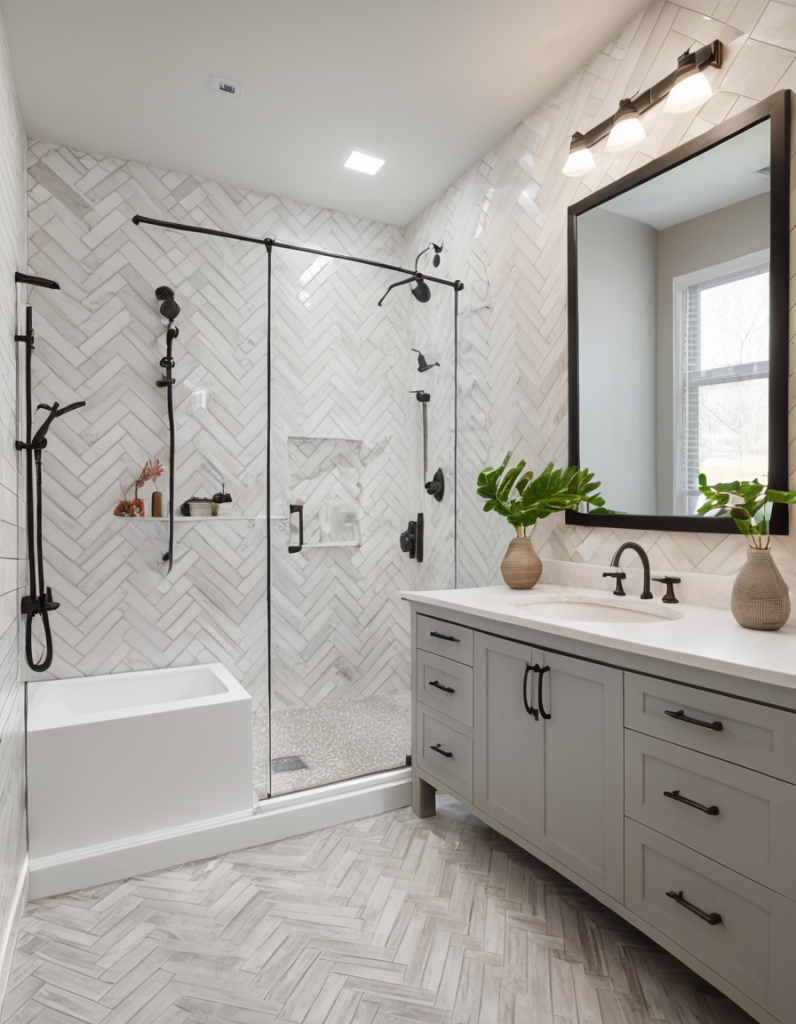
Creating accessible and stylish bathing spaces involves thoughtful consideration of layout, fixtures, and accessibility. Barrier-free showers, often featuring frameless glass enclosures and spacious interiors, provide a sleek and practical solution for users of all ages and abilities. Such showers can be customized with various features like built-in seating, grab bars, and handheld showerheads to enhance comfort and safety.
These accessible bathing solutions offer significant advantages, including enhanced safety and improved aesthetics. Eliminating the need to step over a traditional tub threshold reduces the risk of falls, making the bathroom environment safer for everyone. Furthermore, the open design creates a sense of spaciousness, even in smaller bathrooms. The shift towards accessible design reflects a growing awareness of the importance of universal design principles in creating inclusive and functional spaces. This trend represents a move away from purely aesthetic considerations to a more holistic approach that prioritizes both form and function.
This discussion will further explore key elements to consider when planning an accessible and stylish bathroom remodel, including flooring choices, lighting options, and ventilation strategies. Specific design styles, from modern minimalism to classic elegance, will be examined to illustrate how these principles can be applied in diverse aesthetic contexts.
1. Space Planning
Space planning is fundamental to successful bathroom designs incorporating walk-in showers. A well-planned layout maximizes functionality and creates a sense of spaciousness, even in compact areas. Careful consideration of the shower’s placement, size, and shape relative to other bathroom fixtures is essential. For instance, positioning a walk-in shower against the longest wall can visually elongate a narrow bathroom. Alternatively, a corner shower can efficiently utilize space in a smaller square room. The shape of the shower enclosure itself rectangular, square, or curved impacts both visual appeal and traffic flow. Understanding the interplay of these elements allows for the creation of a comfortable and efficient bathing space.
Effective space planning also considers the placement of essential elements within the shower itself. Features such as built-in seating, niches for toiletries, and the location of showerheads and controls should be integrated seamlessly within the available space. In smaller showers, a recessed niche can provide valuable storage without encroaching on valuable elbow room. Similarly, placing the shower controls near the entrance allows users to adjust water temperature and flow before stepping into the spray. These seemingly small details significantly impact the overall user experience.
Ultimately, effective space planning transforms a functional necessity into a luxurious and practical amenity. Addressing the challenges of limited space through thoughtful design yields a bathroom that feels open and inviting. This pre-construction planning phase is crucial for avoiding costly rework and ensuring the final result meets both aesthetic and practical needs. A well-planned bathroom maximizes available space while enhancing the overall user experience, contributing significantly to a successful renovation project.
2. Accessibility
Accessibility is a critical consideration in bathroom design, particularly when incorporating walk-in showers. Creating a safe and comfortable bathing environment for individuals with mobility challenges or other physical limitations requires careful planning and attention to detail. Walk-in showers, inherently barrier-free, provide a foundation for accessible design, but several other factors contribute to a truly inclusive bathroom.
-
Floor Surfaces
Appropriate flooring materials and installation techniques contribute significantly to bathroom safety. Slip-resistant tiles with textured surfaces minimize the risk of falls, a crucial factor for individuals with limited mobility or balance issues. Proper sloping of the shower floor towards the drain ensures efficient water removal and prevents pooling, further reducing slip hazards. Level thresholds between the shower and the rest of the bathroom eliminate tripping hazards, allowing for seamless transitions.
-
Grab Bars and Seating
Strategically placed grab bars provide essential support and stability within the shower. Positioning grab bars at varying heights and locations accommodates users with different needs and abilities. Securely anchored grab bars offer assistance with entering and exiting the shower and maneuvering within the wet area. Built-in shower seating allows users to rest comfortably while bathing, reducing fatigue and enhancing safety. Fold-down seating options maximize space utilization in smaller bathrooms.
-
Controls and Fixtures
Accessible bathroom design extends to the selection and placement of controls and fixtures. Lever-style faucet handles and shower controls are easier to operate for individuals with limited dexterity or hand strength. Handheld showerheads with adjustable height settings offer greater flexibility and control over water flow. Thermostatic mixing valves help prevent scalding by maintaining a consistent water temperature, an important safety feature for vulnerable users.
-
Lighting and Doorways
Adequate lighting enhances visibility and safety within the bathroom. Bright, well-distributed lighting minimizes shadows and improves depth perception, reducing the risk of falls. Wider doorways and clearances around fixtures accommodate wheelchair users and those with mobility aids, ensuring easy access to all areas of the bathroom. Pocket doors or outward-swinging doors maximize usable space within the bathroom.
By incorporating these accessibility features, walk-in shower designs contribute to a universally usable bathroom environment. This inclusive approach benefits individuals of all ages and abilities, promoting safety, independence, and comfort. A well-designed accessible bathroom enhances quality of life and fosters a sense of dignity and well-being for all users.
3. Material Selection
Material selection significantly influences the aesthetics, durability, and functionality of bathroom designs incorporating walk-in showers. Choices regarding wall and floor coverings, shower fixtures, and countertops contribute to the overall design cohesion and long-term performance of the space. The humid environment of a bathroom requires materials resistant to moisture, mildew, and temperature fluctuations. Porcelain and ceramic tiles, for example, offer excellent water resistance and design versatility, making them popular choices for shower walls and floors. Natural stone, while aesthetically appealing, requires more maintenance and sealing to prevent water damage.
Beyond durability, material choices contribute to the desired aesthetic. A minimalist design might utilize large-format porcelain tiles in neutral tones, creating a sleek and contemporary feel. A more traditional bathroom might incorporate marble tile, adding a touch of classic elegance. The selection of fixtures, such as showerheads, faucets, and hardware, further refines the design. Brushed nickel finishes offer a modern look, while oil-rubbed bronze evokes a more vintage appeal. The interplay of these material choices creates a cohesive design narrative, transforming a functional space into a personalized sanctuary. For instance, pairing a frameless glass shower enclosure with natural stone tiles creates a luxurious and open feel, while using textured tiles on the shower floor enhances safety.
Ultimately, thoughtful material selection elevates bathroom designs featuring walk-in showers from purely functional spaces to stylish and enduring retreats. Balancing aesthetic preferences with practical considerations, such as water resistance, durability, and maintenance requirements, ensures a successful and satisfying outcome. Understanding the properties of various materials allows for informed decisions that contribute to a bathroom’s long-term beauty and functionality. This understanding extends beyond immediate aesthetics, affecting long-term maintenance, cleaning requirements, and overall cost-effectiveness of the renovation project. By aligning material choices with design goals and practical constraints, a truly successful bathroom renovation can be achieved.
4. Lighting Design
Effective lighting design is crucial for enhancing both the functionality and ambiance of bathroom designs incorporating walk-in showers. Careful consideration of lighting placement, intensity, and color temperature creates a safe, comfortable, and visually appealing space. Layering different types of lightingambient, task, and accentachieves a balanced and versatile illumination scheme. Ambient lighting provides overall illumination, while task lighting focuses on specific areas, such as the vanity or shower. Accent lighting highlights architectural features or decorative elements, adding depth and visual interest. For example, recessed ceiling lights provide even ambient illumination, while wall sconces flanking the vanity mirror offer focused task lighting for grooming. Integrating LED strip lighting beneath a floating vanity or within shower niches creates a subtle and sophisticated accent.
The color temperature of light sources significantly impacts the mood and atmosphere of the bathroom. Warmer color temperatures (2700-3000K) create a relaxing and inviting ambiance, while cooler color temperatures (5000-6500K) provide a brighter, more invigorating feel. Dimmable lighting controls allow users to adjust the intensity and mood of the lighting to suit their preferences and the time of day. Within the shower itself, waterproof and vapor-proof lighting fixtures are essential for safety and longevity. Recessed shower lights or dedicated shower luminaires provide focused illumination within the enclosure, enhancing visibility and safety. Furthermore, incorporating natural light through strategically placed windows or skylights can significantly enhance the overall brightness and appeal of the bathroom, reducing the need for artificial lighting during daylight hours. However, privacy considerations must be addressed when incorporating natural light sources.
Ultimately, well-executed lighting design elevates the functionality and aesthetics of bathroom designs featuring walk-in showers. A layered lighting approach that considers both practical needs and aesthetic preferences creates a space that is both beautiful and user-friendly. Balancing natural and artificial light sources, selecting appropriate color temperatures, and incorporating dimmer controls contributes to a versatile and adaptable lighting scheme. This strategic approach to lighting not only enhances the visual appeal of the bathroom but also improves safety and creates a more comfortable and enjoyable bathing experience.
5. Ventilation
Proper ventilation is paramount in bathroom designs featuring walk-in showers due to the inherent moisture generated by showering. Effective ventilation mitigates moisture buildup, a key factor in preventing mildew, mold growth, and structural damage. Without adequate ventilation, excess moisture can condense on surfaces, fostering an environment conducive to mold and mildew proliferation. This can lead to unsightly stains, unpleasant odors, and potential health concerns for occupants. Furthermore, prolonged exposure to moisture can damage wall finishes, ceilings, and even structural framing, leading to costly repairs. A well-ventilated bathroom not only safeguards against these issues but also enhances comfort by reducing humidity and preventing a stuffy atmosphere. For instance, a bathroom lacking proper ventilation might experience persistent fogged mirrors, damp towels, and a lingering musty odor, whereas a well-ventilated bathroom feels fresh and dry after showering.
Several ventilation strategies contribute to a healthy and comfortable bathroom environment. Mechanical ventilation, typically achieved through exhaust fans, actively removes moist air and replaces it with drier air from outside. These fans should be sized appropriately for the bathroom’s volume and ideally vented directly to the exterior to prevent moisture from recirculating within the home. In addition to exhaust fans, proper airflow can be facilitated by incorporating operable windows or by ensuring adequate undercuts beneath bathroom doors to allow for air circulation. Furthermore, using moisture-resistant materials, such as mildew-resistant paint and grout, helps prevent moisture absorption and further inhibits mold and mildew growth. Integrating these ventilation strategies into the design process is significantly more cost-effective than addressing moisture-related issues after construction.
In conclusion, effective ventilation is an indispensable component of successful bathroom designs featuring walk-in showers. Its importance stems from the direct impact on preventing moisture-related problems, preserving structural integrity, and ensuring a comfortable and healthy bathing environment. Integrating appropriate ventilation methods during the design phase prevents costly remediation efforts later. A well-ventilated bathroom not only protects the home from potential damage but also contributes to a more pleasant and hygienic user experience. This proactive approach to moisture control translates into a more durable, comfortable, and ultimately, more valuable home.
Bathroom Designs with Walk-In Showers
Bathroom designs incorporating walk-in showers represent a significant shift in modern bathroom planning, emphasizing both accessibility and aesthetics. Careful consideration of space planning, material selection, lighting design, and ventilation is crucial for realizing the full potential of these transformative features. Accessible design principles enhance safety and usability for individuals of all abilities, while thoughtful material choices contribute to both visual appeal and long-term durability. Effective lighting design enhances both functionality and ambiance, while proper ventilation safeguards against moisture-related issues and ensures a comfortable bathing environment.
Ultimately, successful bathroom designs with walk-in showers reflect a holistic approach that prioritizes both form and function. Investing in thoughtful planning and execution yields a bathroom that not only enhances the home’s value but also contributes significantly to the occupants’ quality of life. These designs represent a commitment to creating spaces that are both beautiful and practical, promoting well-being and enduring enjoyment for years to come.