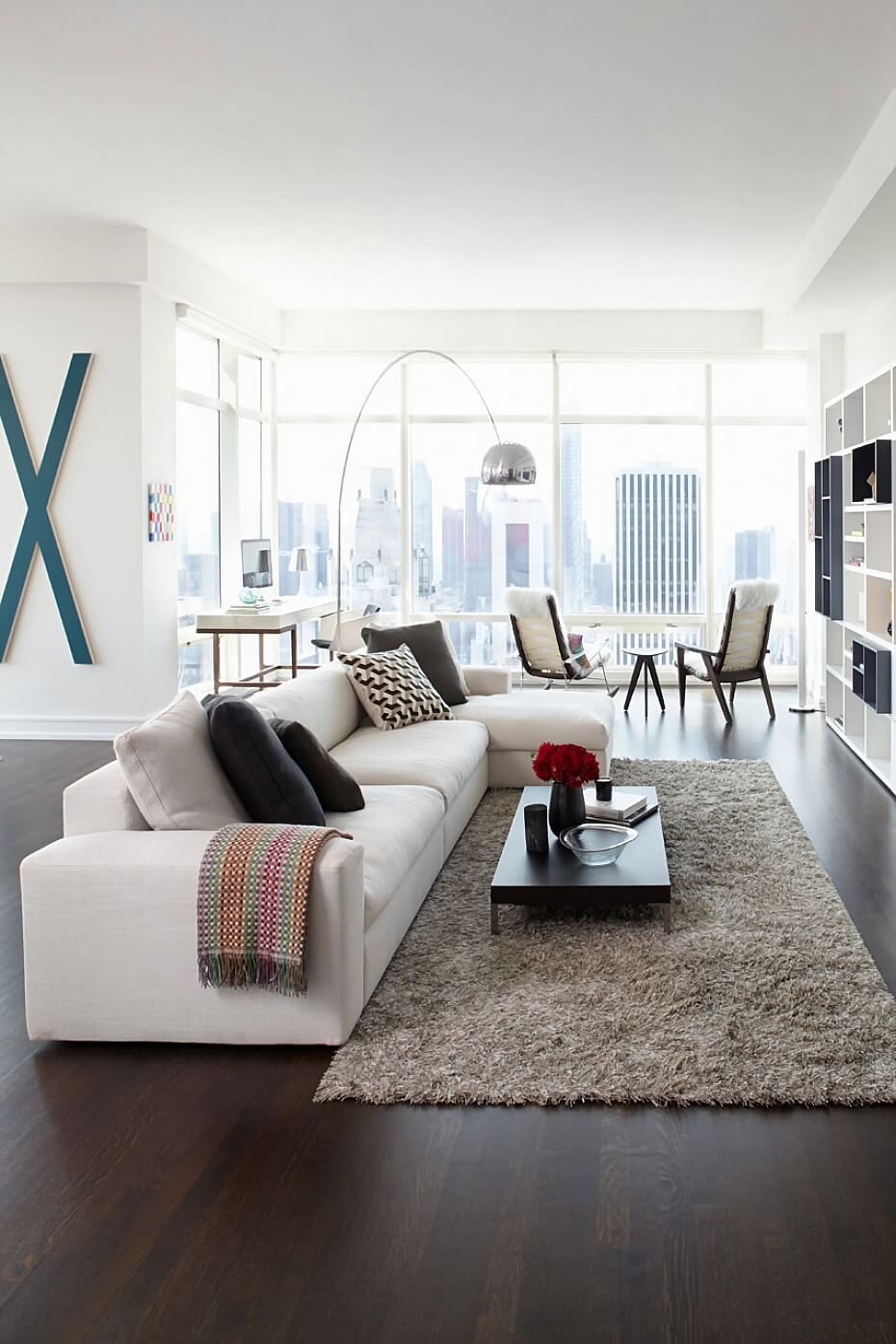
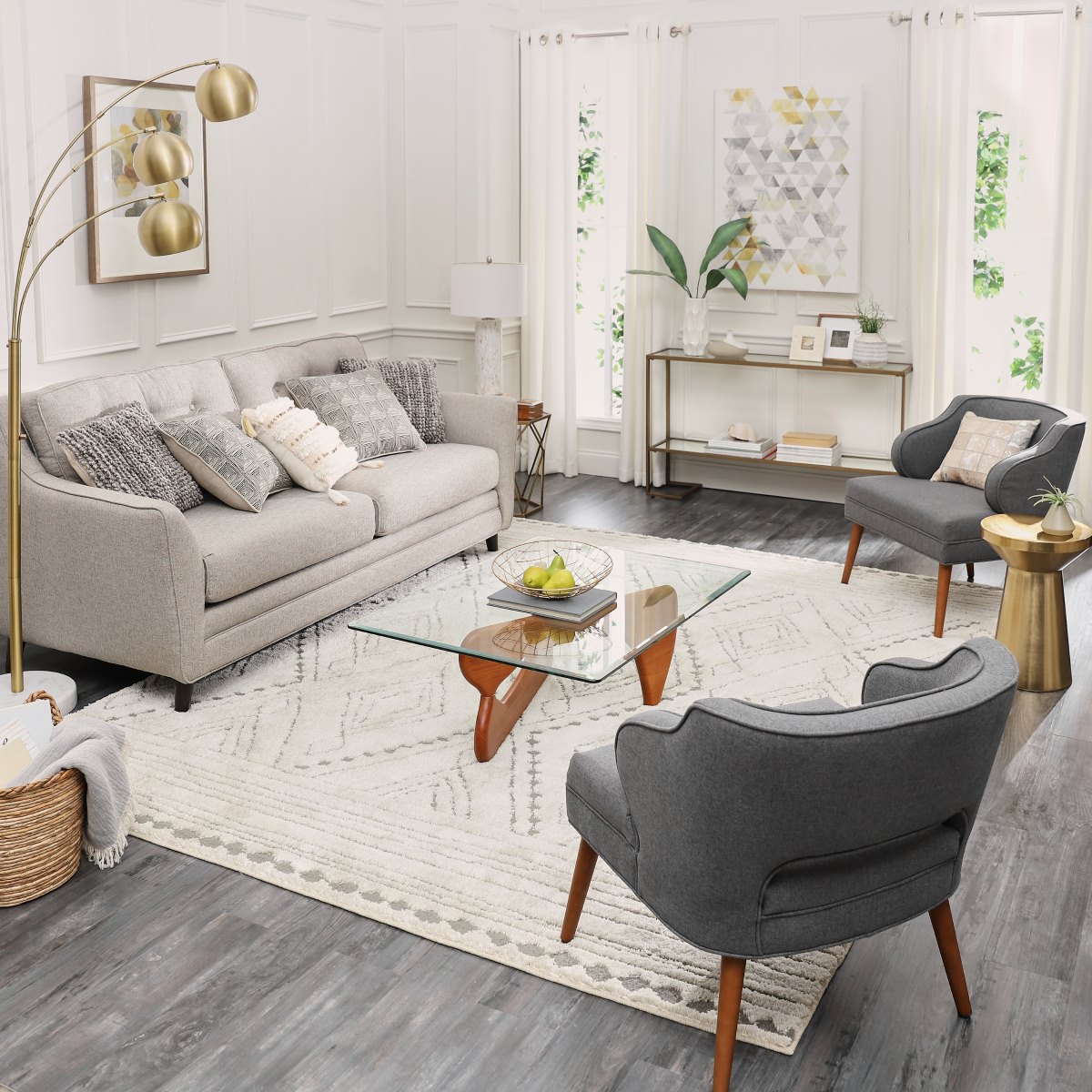
A planned combination of colors creates a specific aesthetic and atmosphere within a living space. For instance, pairing cool blues and greens evokes tranquility, while warm oranges and reds might foster a sense of energy. The deliberate selection of hues, saturations, and values influences the perceived size, mood, and style of the room.
Harmonious combinations of color significantly enhance the livability of a space. Appropriate palettes can make a small room feel larger, highlight architectural details, or create a specific ambiance, such as a cozy, intimate setting or a bright, airy space. Historically, color choices in interior design reflected prevailing societal trends and available pigments. Today, the vast array of options provides unprecedented flexibility for personal expression and creating a truly personalized home environment.
This exploration will delve into various popular palettes, factors to consider when selecting hues for a living area, and how to implement different strategies effectively. It will also discuss the psychology of color and provide practical tips for creating a cohesive and visually appealing living room.
1. Mood
A living room’s intended atmosphere significantly influences color scheme selection. The psychological impact of color contributes to the overall ambiance, affecting occupants’ emotions and perceptions of the space. Careful consideration of desired mood is essential for a successful design.
-
Tranquility and Calm
Cool colors, such as blues, greens, and lavenders, promote relaxation and serenity. A pale blue living room evokes a sense of peace, reminiscent of a clear sky or calm waters. These hues are ideal for spaces intended for relaxation and unwinding.
-
Energy and Vibrancy
Warm colors, like reds, oranges, and yellows, stimulate energy and enthusiasm. A living room with terracotta walls might inspire lively conversation and social interaction. These palettes are often suited to active households and entertainment areas.
-
Sophistication and Elegance
Neutral colors, including grays, beiges, and creams, establish a sense of sophistication and timelessness. A living room with charcoal gray walls and metallic accents can exude understated elegance. These palettes provide a versatile backdrop for various dcor styles.
-
Creativity and Inspiration
Dynamic combinations of colors can foster creativity and inspiration. A living room with contrasting jewel tones, such as emerald green and sapphire blue, can stimulate imagination and artistic expression. These palettes are well-suited for studios or spaces where creative pursuits take place.
Understanding the psychological effects of color allows for the creation of living rooms that support the desired mood and enhance the overall living experience. The selected palette becomes integral to the room’s function and how occupants feel within the space.
2. Space
Spatial perception within a living room is significantly influenced by the chosen color scheme. Light colors tend to recede visually, making the room feel larger and more airy. Conversely, dark colors advance, creating a sense of intimacy and coziness, but potentially making the space feel smaller. This effect can be strategically employed to alter the perceived dimensions of a room. A small living room can benefit from pale walls and a light-colored ceiling to maximize the sense of openness. A large, cavernous living room might feel more inviting with darker walls and a lower ceiling, visually reducing its scale.
The strategic use of color can also highlight or diminish architectural features. A lighter color on a recessed wall will draw attention to it, while a darker color can minimize its prominence. Painting window trims in a contrasting color emphasizes the natural light source and adds depth. Vertical stripes create an illusion of height, while horizontal stripes can make a wall appear wider. These techniques allow for subtle manipulation of spatial perception, optimizing the living room’s layout and proportions.
Understanding the interplay between color and space is crucial for creating a balanced and harmonious living room. Careful consideration of the room’s dimensions, natural light, and desired atmosphere informs the selection of an appropriate color scheme. This knowledge empowers informed decisions regarding wall color, furniture choices, and decorative accents, ultimately shaping a functional and aesthetically pleasing living space.
3. Light
Natural and artificial light significantly impact the perception of color within a living room. Careful consideration of light sources is crucial for selecting a suitable color scheme and achieving the desired aesthetic. The interplay between light and color determines how hues appear and the overall ambiance of the space.
-
Natural Light
Natural light varies throughout the day and across seasons, affecting how colors appear. A north-facing room receives cooler, more consistent light, while a south-facing room experiences warmer, more intense light. Testing paint samples in the room at different times of day ensures accurate color selection under varying lighting conditions. Large windows maximize natural light, enhancing the vibrancy of colors and reducing the need for artificial lighting during daytime hours.
-
Artificial Light
Different types of artificial lighting emit varying color temperatures, influencing the appearance of the chosen color scheme. Incandescent bulbs produce a warm, yellowish light, while LED bulbs offer a cooler, bluer light. Halogen lights provide a crisp, white light, closer to natural daylight. The chosen lighting should complement the color scheme and create the desired mood, whether warm and inviting or cool and energizing. Layering different light sources allows for flexibility and control over the room’s ambiance.
-
Color Temperature
The color temperature of light, measured in Kelvins (K), impacts how colors are perceived. Lower color temperatures (2700-3000K) produce a warm, yellowish light, while higher color temperatures (5000-6500K) emit a cooler, bluer light. Matching the color temperature of the lighting to the chosen color scheme ensures that colors appear as intended. Warm lighting complements warm color schemes, while cool lighting enhances cool color schemes.
-
Light Intensity
The intensity, or brightness, of light also plays a role in color perception. Dim lighting can mute colors, while bright lighting can make them appear more vibrant. Balancing light intensity is essential for creating the desired atmosphere and highlighting specific features within the room. Dimmer switches allow for adjustable lighting levels, providing flexibility for different activities and times of day.
Considering the complex interplay between light and color ensures that the chosen color scheme achieves its full potential. A thoughtful approach to lighting enhances the vibrancy and accuracy of colors, contributing to a harmonious and aesthetically pleasing living room. Balancing natural and artificial light sources, considering color temperature, and managing light intensity allows for precise control over the room’s ambiance and optimizes the impact of the chosen color scheme.
4. Style
A living room’s overarching design style significantly influences appropriate color schemes. Color palettes should harmonize with the chosen aesthetic, whether traditional, modern, or eclectic. Understanding the relationship between style and color ensures a cohesive and visually appealing living space. Specific styles often favor particular color palettes, creating a unified and harmonious aesthetic.
-
Traditional
Traditional interiors often feature rich, warm color schemes. Deep reds, greens, and blues, combined with ornate furnishings and classic patterns, create a sense of timeless elegance. These palettes evoke a sense of history and formality, suitable for classic architectural styles.
-
Modern
Modern design emphasizes clean lines and minimalist aesthetics. Neutral color palettes, such as grays, whites, and blacks, dominate, creating a sense of spaciousness and simplicity. Accent colors are used sparingly to add visual interest without overwhelming the minimalist aesthetic.
-
Contemporary
Contemporary style embraces current trends and incorporates a wider range of colors. Bold, saturated hues, combined with sleek furniture and modern art, create a vibrant and dynamic atmosphere. This style allows for greater flexibility in color choices, reflecting current design trends and personal preferences.
-
Eclectic
Eclectic design combines elements from various styles, resulting in a unique and personalized space. Color palettes in eclectic interiors can be diverse, incorporating a mix of patterns, textures, and hues. This style encourages creative expression and allows for unexpected color combinations, reflecting individual tastes and preferences.
Careful consideration of the chosen interior design style guides color scheme selection. Aligning the color palette with the overall aesthetic creates a cohesive and harmonious living room. Understanding the typical color palettes associated with different styles provides a framework for creating a visually appealing and stylistically consistent space. This knowledge allows for informed decisions regarding wall color, furniture choices, and decorative accents, ensuring that the chosen colors enhance the desired style and contribute to a unified and aesthetically pleasing living room.
5. Furniture
Existing furniture significantly influences color scheme selection within a living room. Upholstery, wood finishes, and other furniture elements necessitate careful color coordination to achieve a harmonious and balanced aesthetic. The furniture’s color and style serve as a foundation for the overall color palette, impacting wall color, rug choices, and decorative accents.
-
Upholstery
Sofa and chair upholstery represent a substantial color element within the living room. Neutral upholstery, like beige or gray, offers versatility, allowing for a wider range of wall colors and accent pieces. Boldly colored upholstery, such as a jewel-toned velvet sofa, might serve as the room’s focal point, influencing complementary and contrasting accent colors. Patterned upholstery introduces additional colors to consider, requiring careful coordination with other elements in the room.
-
Wood Finishes
Wood furniture finishes introduce another layer of color consideration. Warm wood tones, like cherry or mahogany, pair well with earthy color palettes and traditional styles. Cooler wood tones, such as maple or ash, complement contemporary aesthetics and cooler color schemes. The wood finish influences the overall warmth or coolness of the room and should harmonize with the chosen wall colors and other furniture pieces.
-
Metal Accents
Metal accents on furniture, such as table legs, hardware, or decorative elements, introduce metallic hues into the color scheme. Gold and brass tones contribute warmth and pair well with richer color palettes. Silver and chrome finishes offer a cooler, more modern aesthetic, complementing neutral and monochromatic color schemes. The chosen metal finish should complement both the furniture and the overall color palette.
-
Scale and Proportion
The size and placement of furniture pieces influence color choices. Large, dark furniture pieces can visually dominate a room, necessitating lighter wall colors to balance the space. Smaller, lighter furniture allows for greater flexibility in wall color selection. The scale and proportion of furniture should be considered when choosing a color scheme to ensure a balanced and harmonious aesthetic. Careful placement and color coordination can optimize the visual impact of furniture pieces within the room.
Integrating furniture considerations into color scheme planning ensures a cohesive and visually appealing living room. Harmonizing wall colors, upholstery, wood finishes, and metal accents creates a unified and balanced aesthetic. By considering furniture as an integral element of the color scheme, a truly harmonious and functional living space emerges.
Conclusion
Careful selection of color schemes profoundly impacts the aesthetic and atmospheric qualities of living rooms. Considerations encompassing mood, spatial dimensions, lighting conditions, stylistic preferences, and existing furniture are crucial for successful implementation. A comprehensive understanding of these factors empowers informed decisions, resulting in a cohesive and harmonious design. From evoking tranquility through cool hues to amplifying energy with warm tones, color wields significant influence over the perceived ambiance and functionality of a living space.
Ultimately, successful implementation hinges on a holistic approach, integrating these elements to achieve a desired outcome. The interplay of color and light, the balance of scale and proportion, and the harmony between furnishings and chosen hues collectively contribute to a living room’s overall impact. Thoughtful planning and execution transform a living room into a space that not only reflects personal style but also enhances the quality of everyday living.