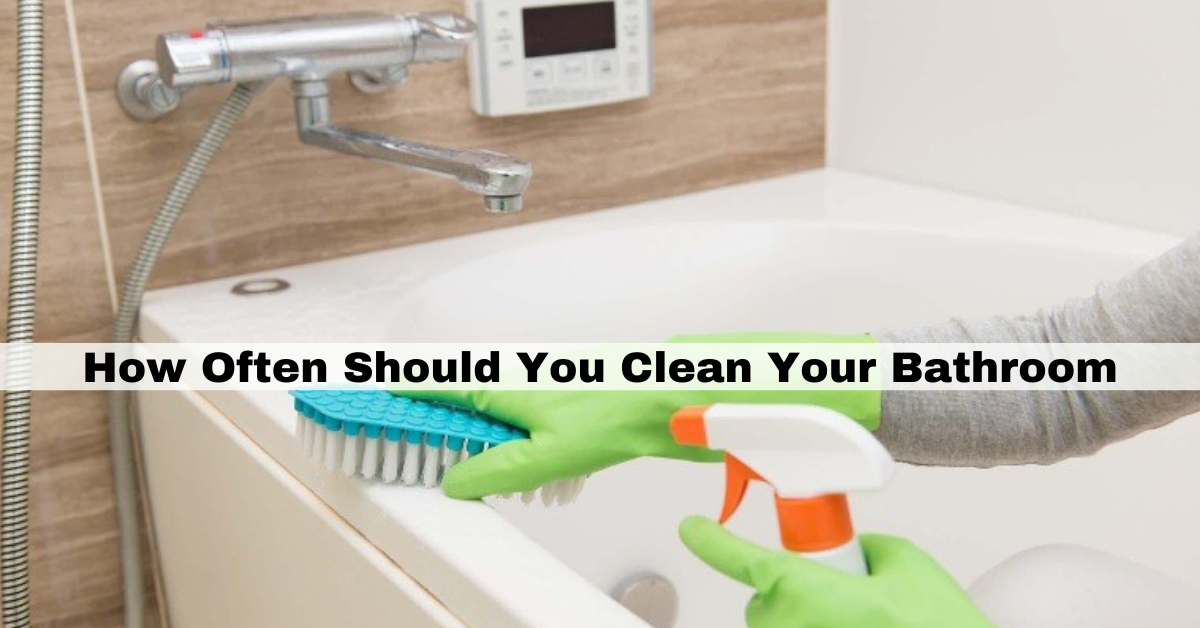
Maintaining pristine bathroom tiles involves a systematic approach encompassing various cleaning methods and products tailored to specific tile materials and soiling levels. For instance, ceramic tiles might require a simple wipe-down with a mild detergent, while porous grout lines often necessitate specialized cleaners to combat mildew and ingrained dirt. Effective tile cleaning hinges on understanding the properties of the materials and selecting appropriate tools and techniques.
A clean, sparkling bathroom significantly enhances the overall aesthetic appeal and hygiene of a home. Regular tile and grout cleaning prevents the buildup of soap scum, mold, and mildew, which can not only detract from the room’s appearance but also pose health risks, particularly for individuals with allergies or respiratory sensitivities. Historically, various substances, from abrasive sands to acidic vinegars, have been employed for tile cleaning, reflecting the enduring importance of this practice across cultures and time periods.
The subsequent sections will delve into detailed instructions for cleaning different types of bathroom tiles, covering appropriate cleaning solutions, tools, and step-by-step procedures for achieving optimal results. Further discussion will address preventative measures and common troubleshooting tips for maintaining sparkling clean bathroom tiles over the long term.
1. Regular Cleaning
Regular cleaning is fundamental to maintaining the appearance and hygiene of bathroom tiles. Consistent upkeep prevents the accumulation of soap scum, mildew, and hard water deposits, which can etch tile surfaces and discolour grout. This proactive approach simplifies cleaning tasks, reducing the need for harsher chemicals and intensive scrubbing in the long run.
-
Frequency
The optimal cleaning frequency depends on usage and environmental factors. A bathroom experiencing high humidity and frequent use may require cleaning several times a week, while a lightly used bathroom might only need attention weekly. Establishing a consistent cleaning routine prevents grime from becoming deeply embedded, simplifying the process.
-
Method
Regular cleaning typically involves a simple wipe-down of tile surfaces and grout lines with an appropriate cleaning solution. This can range from a mild detergent solution for everyday cleaning to specialized cleaners for tackling mildew or soap scum buildup. Consistent application of the chosen method prevents the need for more aggressive, potentially damaging cleaning interventions.
-
Prevention
Regular cleaning acts as a preventative measure against more serious cleaning challenges. By routinely removing surface grime, the development of stubborn stains and the proliferation of mold and mildew are significantly inhibited. This proactive approach safeguards both the aesthetics and longevity of bathroom tiles.
-
Maintenance
Incorporating regular cleaning into a broader bathroom maintenance plan contributes to the overall cleanliness and hygiene of the space. This includes practices like squeegeeing shower walls after use, promoting ventilation to reduce humidity, and promptly addressing spills to prevent staining. Such consistent maintenance simplifies cleaning and extends the lifespan of bathroom surfaces.
By integrating regular cleaning into a comprehensive bathroom maintenance strategy, homeowners can ensure the long-term beauty and hygiene of their tiled surfaces. This consistent effort minimizes the need for extensive deep cleaning and preserves the integrity of the tiles and grout, contributing to a healthier and more aesthetically pleasing bathroom environment.
2. Appropriate Tools
Effective tile cleaning relies heavily on utilizing the correct tools. Selecting appropriate tools ensures efficient cleaning while minimizing the risk of damage to the tile and grout. The following explores essential tools and their specific applications in bathroom tile cleaning.
-
Scrub Brushes
Scrub brushes are indispensable for tackling grout lines and textured tiles. Stiff-bristled brushes effectively dislodge embedded dirt and mildew from grout, while softer brushes are suitable for cleaning delicate tile surfaces without causing scratches. Nylon brushes offer good durability and chemical resistance, making them suitable for a variety of cleaning solutions. Natural fiber brushes, while gentler, may not be as durable.
-
Microfiber Cloths
Microfiber cloths are highly effective for cleaning and polishing tile surfaces. Their fine fibers trap dust and dirt particles, leaving a streak-free shine. Microfiber’s absorbency also makes it ideal for drying tiles after cleaning, preventing water spots and mineral buildup. These cloths are reusable and washable, offering a sustainable cleaning solution.
-
Sponges
Sponges are versatile tools for applying cleaning solutions and scrubbing tile surfaces. Cellulose sponges offer good absorbency and are suitable for general cleaning tasks. Melamine sponges, known for their abrasive properties, are effective for removing stubborn stains and soap scum but should be used cautiously on delicate tiles to avoid scratching.
-
Spray Bottles
Spray bottles facilitate even application of cleaning solutions. They allow for controlled dispensing of liquids, minimizing waste and ensuring consistent coverage. Using designated spray bottles for different cleaning solutions prevents cross-contamination and ensures the correct concentration is used for each application.
Proper tool selection significantly impacts the effectiveness and efficiency of bathroom tile cleaning. Choosing the right tool for each task ensures thorough cleaning, minimizes effort, and preserves the integrity of the tiled surfaces, contributing to a cleaner and more hygienic bathroom environment.
3. Effective Solutions
Effective cleaning solutions are crucial for achieving optimal results when cleaning bathroom tiles. The efficacy of a cleaning solution depends on its chemical composition and its interaction with the specific type of tile and the nature of the soiling. Understanding the properties of various cleaning solutions allows for informed choices, maximizing cleaning power while minimizing the risk of damage to the tiles and grout. For instance, acidic solutions are effective for removing mineral deposits and soap scum but can etch acid-sensitive surfaces like marble. Alkaline cleaners are effective against grease and grime but may require thorough rinsing. Choosing the appropriate solution based on the specific cleaning challenge ensures effective removal of dirt and grime without compromising the integrity of the bathroom surfaces.
The connection between effective solutions and successful tile cleaning lies in the targeted action of specific chemical components on different types of soiling. For example, a solution containing bleach is effective in removing mildew and whitening grout due to its oxidizing properties. A solution containing surfactants effectively lifts and suspends grease and grime, facilitating their removal. Understanding these chemical interactions empowers informed decision-making, enabling selection of the most appropriate solution for a given cleaning scenario. Matching the cleaning solution to the specific soiling type ensures optimal cleaning efficacy and minimizes the risk of damage. Practical application of this knowledge translates to a cleaner, more hygienic bathroom environment.
In summary, effective tile cleaning requires careful consideration of the cleaning solution’s properties and its compatibility with the tile material and the type of soiling present. Utilizing appropriate solutions ensures efficient removal of dirt and grime while preserving the integrity of the bathroom surfaces. Understanding the chemical interactions between cleaning solutions and various types of soiling empowers informed decision-making, ultimately contributing to a cleaner and healthier bathroom environment. Failure to select appropriate solutions can lead to ineffective cleaning or even damage to the tiles, highlighting the practical significance of this understanding within the broader context of bathroom maintenance.
4. Proper Technique
Proper technique is paramount in achieving optimal results when cleaning bathroom tiles. Technique encompasses the methodical application of cleaning solutions, appropriate scrubbing actions, and thorough rinsing. The connection between proper technique and successful tile cleaning lies in the optimization of cleaning efficacy while minimizing the risk of damage. For example, applying a cleaning solution and allowing sufficient dwell time before scrubbing maximizes the solution’s effectiveness in breaking down grime. Scrubbing in a systematic manner, rather than randomly, ensures complete coverage and prevents re-deposition of dirt. Thorough rinsing removes residual cleaning solution, preventing streaks and buildup. Ignoring proper technique can lead to ineffective cleaning, potential damage to the tile and grout, and increased effort in subsequent cleaning attempts.
Consider the practical example of cleaning shower tiles. Spraying the cleaning solution from top to bottom allows gravity to assist in carrying away loosened grime. Allowing the solution to dwell for the recommended time, typically indicated on the product label, maximizes its effectiveness. Using a scrub brush with appropriate bristle stiffness, coupled with controlled scrubbing motions, effectively removes grime without scratching the tile surface. Finally, rinsing thoroughly with clean water removes all traces of the cleaning solution, leaving a sparkling clean surface. Failure to adhere to these steps can result in residual soap scum, streaking, and even damage to the grout, highlighting the practical significance of proper technique.
In summary, proper technique forms the cornerstone of effective bathroom tile cleaning. Methodical application, appropriate scrubbing actions, and thorough rinsing are crucial components of successful cleaning. Understanding and implementing proper technique minimizes effort, maximizes cleaning efficacy, and preserves the integrity of bathroom surfaces. This contributes not only to a cleaner and more hygienic bathroom but also to the longevity of the tiles and grout, solidifying its importance within the broader context of bathroom maintenance. Neglecting proper technique undermines cleaning efforts and can lead to long-term issues, reinforcing its critical role in achieving and maintaining a pristine bathroom environment.
5. Preventative Measures
Preventative measures represent a proactive approach to maintaining clean bathroom tiles, reducing the frequency and intensity of required cleaning interventions. This proactive strategy minimizes the buildup of soap scum, mildew, and hard water deposits, thereby preserving the aesthetic appeal and structural integrity of tiled surfaces. The connection between preventative measures and effective tile cleaning lies in minimizing the factors that contribute to soiling. For instance, regularly rinsing shower walls after each use removes residual soap and shampoo, preventing their accumulation and reducing the need for frequent scrubbing. Squeegeeing excess water from tiles after showering minimizes the formation of water spots and the buildup of mineral deposits, preserving the tile’s shine and simplifying subsequent cleaning. These simple practices significantly reduce the effort required for routine cleaning and contribute to the long-term maintenance of a pristine bathroom environment.
The practical significance of preventative measures becomes evident when considering the long-term impact on tile and grout. Consistent implementation of preventative measures, such as using a shower spray containing a daily cleaner, inhibits the growth of mildew and mold, preserving grout integrity and preventing discoloration. Placing a bath mat outside the shower reduces the transfer of dirt and grime onto the bathroom floor, minimizing the need for frequent mopping. These practices not only reduce cleaning effort but also extend the lifespan of bathroom surfaces, demonstrating the practical value of preventative measures within the broader context of bathroom maintenance. Neglecting preventative measures can lead to accelerated deterioration of grout, increased staining, and a greater susceptibility to mold and mildew growth, ultimately necessitating more intensive and frequent cleaning interventions.
In conclusion, preventative measures play a crucial role in maintaining clean bathroom tiles. By minimizing the factors that contribute to soiling, preventative measures reduce cleaning frequency and intensity, preserving the aesthetic appeal and structural integrity of tiled surfaces. The practical implications of incorporating preventative measures into a bathroom maintenance routine are substantial, extending the lifespan of tiles and grout while contributing to a consistently clean and hygienic bathroom environment. This proactive approach not only simplifies cleaning tasks but also safeguards the long-term investment in bathroom surfaces, reinforcing the importance of preventative measures as an integral component of effective tile cleaning and overall bathroom maintenance.
How to Clean Bathroom Tiles
Maintaining clean bathroom tiles involves a multifaceted approach encompassing regular cleaning, appropriate tool selection, effective cleaning solutions, proper technique, and preventative measures. Each element contributes significantly to achieving optimal results. Regular cleaning prevents grime buildup, simplifying subsequent cleaning tasks. Utilizing appropriate tools, such as scrub brushes and microfiber cloths, maximizes cleaning efficacy and minimizes the risk of surface damage. Selecting effective cleaning solutions requires careful consideration of the tile material and the nature of the soiling. Proper technique, including appropriate dwell times and scrubbing motions, optimizes cleaning power and prevents damage. Finally, preventative measures, such as regular rinsing and squeegeeing, reduce the frequency and intensity of future cleaning interventions.
The cumulative effect of these practices translates to a consistently clean and hygienic bathroom environment. Diligent application of these principles not only enhances the aesthetic appeal of the bathroom but also contributes to the longevity of tiled surfaces. Consistent attention to these details ensures a pristine bathroom environment, reflecting a commitment to hygiene and long-term maintenance.