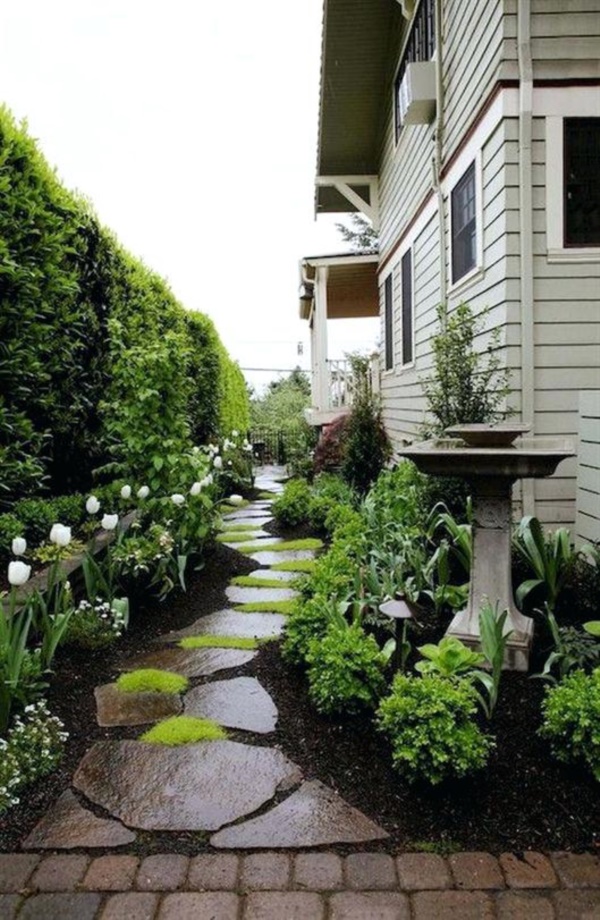
Outdoor living spaces are often enhanced with paved surfaces constructed from various materials. Natural stone, concrete pavers, and brick are popular choices for creating durable and aesthetically pleasing areas for relaxation and entertainment. These hardscaped areas can range from simple walkways to complex multi-level patios incorporating features like outdoor kitchens, fire pits, and water features. An example might include a flagstone patio with a built-in grill, surrounded by lush landscaping.
Well-planned outdoor spaces offer significant advantages. They extend living areas, increasing usable square footage and providing venues for social gatherings and private relaxation. Thoughtful design can also enhance a property’s curb appeal, potentially increasing its value. Historically, paved outdoor areas have been integral to residential architecture, evolving from basic utilitarian surfaces to sophisticated design elements reflecting individual lifestyles and preferences.
The following sections will explore the diverse materials, design principles, and construction techniques commonly employed in creating beautiful and functional outdoor living spaces. Topics covered will include material selection, layout considerations, drainage solutions, and ongoing maintenance requirements.
1. Material Selection
Material selection is a critical factor influencing the aesthetic, functional, and long-term success of any patio project. The chosen material significantly impacts durability, maintenance requirements, and overall cost. Natural stone options, such as flagstone, slate, and bluestone, offer unique textures and colors, contributing to a classic, high-end appearance. However, they typically require sealing and periodic cleaning. Concrete pavers provide a more budget-friendly alternative, available in a wider range of colors, shapes, and textures, and often requiring less maintenance. Choosing a permeable paver can further enhance functionality by allowing rainwater to infiltrate, reducing runoff and supporting sustainable landscaping practices. For example, a homeowner seeking a rustic aesthetic might select flagstone, accepting the higher cost and increased maintenance, while another prioritizing affordability and ease of care might opt for concrete pavers.
The surrounding environment also plays a role in material selection. Climates with frequent freeze-thaw cycles necessitate materials resistant to cracking and damage from ice expansion. Areas with high rainfall benefit from permeable materials or designs incorporating effective drainage systems. Furthermore, the intended use of the patio should influence material choices. A patio designed for heavy foot traffic or outdoor dining requires materials with higher load-bearing capacity and stain resistance compared to a space primarily intended for relaxation. For instance, porcelain pavers are an increasingly popular choice for high-traffic areas due to their durability and stain resistance, while a more porous natural stone might be suitable for a less frequently used seating area.
Ultimately, successful material selection involves careful consideration of aesthetic preferences, budget constraints, environmental conditions, and functional requirements. Understanding the inherent characteristics of each material, including its durability, maintenance needs, and cost, allows homeowners to make informed decisions that contribute to a beautiful, functional, and long-lasting patio. Failure to consider these factors can lead to premature deterioration, increased maintenance costs, and diminished aesthetic appeal, highlighting the critical importance of careful material selection in patio design.
2. Layout and Size
The layout and size of a patio significantly impact its functionality and aesthetic integration within the overall landscape design. Careful planning in these areas is crucial for creating a space that effectively serves its intended purpose while complementing the existing architecture and surrounding environment. Considerations include the shape and dimensions of the patio, traffic flow, accessibility, and the relationship between the patio and other landscape elements.
-
Shape and Flow
The shape of the patio influences both its visual appeal and how people move through the space. Geometric shapes, such as squares and rectangles, offer a formal and structured feel, while curved or irregular shapes create a more natural and organic flow. The chosen shape should complement the home’s architecture and the surrounding landscape. For instance, a rectangular patio might be suitable for a modern home with clean lines, while a curved patio might better suit a traditional or cottage-style garden. Furthermore, the layout should facilitate smooth traffic flow, avoiding bottlenecks and ensuring easy access to different areas of the patio and adjacent spaces.
-
Size and Proportion
The size of the patio should be proportional to the home and the surrounding landscape. An oversized patio can overwhelm a small yard, while an undersized patio might feel cramped and inadequate for its intended use. Determining the appropriate size requires careful consideration of the intended activities, the number of people the patio needs to accommodate, and the available space. For example, a patio designed for outdoor dining and entertaining will require more square footage than a small seating area intended for quiet relaxation. Accurate measurements and scale drawings are essential for ensuring proper proportions and avoiding costly mistakes during construction.
-
Accessibility and Zoning
Accessibility considerations are crucial for ensuring the patio is usable and enjoyable for everyone. Incorporating ramps, wide walkways, and level surfaces accommodates individuals with mobility limitations. Zoning the patio into distinct areas for different activities, such as dining, lounging, and cooking, enhances functionality and creates a more organized and efficient space. For example, a patio might include a designated dining area with a table and chairs, a separate lounge area with comfortable seating, and a dedicated grilling station, each area clearly defined within the overall layout.
-
Integration with Landscape
The patio should seamlessly integrate with the surrounding landscape, creating a cohesive and harmonious outdoor environment. This involves considering the relationship between the patio and other landscape elements, such as gardens, lawns, trees, and walkways. Transitions between the patio and adjacent areas should be smooth and well-defined, using materials and design elements that complement each other. For instance, a patio might be bordered by a flower bed, connected to a walkway by a set of steps, or shaded by a pergola, creating a sense of visual unity and enhancing the overall aesthetic appeal of the outdoor space.
By carefully considering these aspects of layout and size, homeowners can create a patio that not only enhances the beauty of their property but also provides a functional and enjoyable outdoor living space. A well-designed patio serves as an extension of the home, offering a comfortable and inviting area for relaxation, entertainment, and connection with the natural world. Ignoring these crucial elements can result in a poorly functioning and aesthetically unappealing space that fails to meet the needs and expectations of its users.
3. Design Integration
Successful patio design hinges on seamless integration with the existing landscape and architectural style of the home. A well-integrated patio appears as a natural extension of the house and surrounding environment, rather than a detached afterthought. This involves careful consideration of several key facets, ensuring a harmonious blend of materials, styles, and functionality.
-
Architectural Harmony
The patio’s design should complement the home’s architectural style. This includes considering the home’s materials, colors, and overall aesthetic. A modern home with clean lines might benefit from a similarly minimalist patio design using geometric shapes and sleek materials like concrete or porcelain pavers. Conversely, a traditional home might be enhanced by a more organic patio design using natural stone and curved lines. Failure to consider architectural harmony can result in a jarring disconnect between the house and the patio, diminishing the overall aesthetic appeal of the property.
-
Landscape Cohesion
The patio should seamlessly blend with the surrounding landscape elements. This involves considering existing trees, shrubs, flower beds, and lawn areas. The patio’s shape, size, and material choices should complement the existing vegetation and topography. For example, a patio nestled amongst trees might utilize natural stone to blend with the surrounding environment, while a patio adjacent to a formal garden might incorporate geometric patterns and manicured plantings to create a sense of order and symmetry. Careful integration enhances the overall visual appeal and creates a more cohesive and unified outdoor space.
-
Functional Transitions
Effective design integration ensures smooth transitions between the patio and other areas of the yard. Walkways, steps, and changes in elevation should be carefully planned to create a natural flow and facilitate easy movement between different outdoor spaces. Materials should be chosen to create visual continuity and enhance accessibility. For instance, a pathway leading to the patio might use the same paving material as the patio itself, creating a sense of visual connection and guiding visitors through the landscape. Well-designed transitions enhance usability and contribute to a more cohesive and functional outdoor environment.
-
Visual Connections
Visual connections between the patio and the surrounding landscape enhance the sense of integration and create a more immersive outdoor experience. This can be achieved through the use of sightlines, focal points, and the strategic placement of plants and other landscape elements. For example, positioning the patio to offer views of a nearby garden or water feature creates a visual link between the two spaces, drawing the eye outward and enhancing the overall sense of depth and dimension. Similarly, incorporating a focal point, such as a fire pit or a piece of sculpture, within the patio area can help anchor the space and create a sense of visual interest.
By carefully considering these facets of design integration, homeowners can create a patio that not only enhances the beauty and functionality of their outdoor space but also complements the existing architecture and landscape. A well-integrated patio becomes a seamless extension of the home, providing a comfortable and inviting space for relaxation, entertainment, and connection with the natural world. Failure to address these key elements can result in a disjointed and aesthetically unappealing space that detracts from the overall value and enjoyment of the property.
4. Construction Techniques
Construction techniques are fundamental to the longevity, stability, and aesthetic success of patio stone backyard designs. Proper execution of these techniques ensures a durable, functional, and visually appealing outdoor space that withstands the elements and provides lasting enjoyment. A thorough understanding of these techniques is essential for achieving a high-quality finished product.
-
Base Preparation
A stable, well-drained base is crucial for preventing settling, cracking, and other structural issues. This typically involves excavating the area to the appropriate depth, compacting the subgrade, and installing a layer of gravel or crushed stone. The thickness and composition of the base depend on the soil type, climate, and anticipated load. For example, clay soils require a thicker base than sandy soils due to their tendency to expand and contract with moisture changes. Proper base preparation is essential for long-term stability and prevents costly repairs down the line.
-
Material Placement and Jointing
Precise placement and consistent jointing contribute to the patio’s aesthetic appeal and structural integrity. Stone or pavers should be laid in a level and uniform manner, following the chosen pattern. Joints between pavers are typically filled with sand or polymeric sand, which provides stability and prevents weed growth. The width and depth of the joints should be consistent throughout the patio. For instance, using a string line and level ensures straight lines and a uniform surface, while consistent jointing creates a professional and visually appealing finished product.
-
Drainage and Grading
Effective drainage is essential for preventing water accumulation, which can damage the patio and surrounding landscape. Proper grading ensures water flows away from the patio surface and towards designated drainage areas. This might involve incorporating a slight slope into the patio surface or installing drainage features like French drains or catch basins. In areas with heavy rainfall, proper drainage is crucial for preventing erosion, water damage, and potential safety hazards.
-
Edging and Restraints
Edging and restraints provide structural support and prevent the patio materials from shifting or spreading over time. Common edging materials include concrete, brick, or metal. These restraints are installed around the perimeter of the patio and help maintain its shape and integrity. Properly installed edging prevents the patio from deteriorating at the edges and maintains a clean, defined boundary between the patio and surrounding landscape.
These construction techniques are interconnected and essential for creating durable and aesthetically pleasing patio stone backyard designs. Skimping on any of these steps can compromise the structural integrity and longevity of the patio, leading to costly repairs and diminished aesthetic appeal. Investing in proper construction techniques from the outset ensures a beautiful, functional, and long-lasting outdoor living space.
Patio Stone Backyard Designs
Successful patio stone backyard designs necessitate a holistic approach, encompassing careful material selection, thoughtful layout and sizing, seamless design integration, and meticulous construction techniques. Each element contributes significantly to the overall aesthetic appeal, functionality, and longevity of the outdoor space. From the initial selection of natural stone or concrete pavers to the final grading and drainage solutions, informed decisions are crucial for creating a space that harmonizes with the existing architecture and landscape. A well-executed design transforms a simple backyard into a vibrant outdoor living area, enhancing both the property’s value and the homeowner’s quality of life.
Ultimately, the creation of enduring and aesthetically pleasing outdoor spaces relies on a comprehensive understanding of design principles and construction best practices. Investing time and resources in meticulous planning and execution yields a rewarding outcomea beautiful, functional, and resilient outdoor living environment that provides lasting enjoyment and enhances the overall property. Careful consideration of these elements ensures a successful and satisfying patio project, transforming a simple backyard into a cherished outdoor retreat.