Creating a well-balanced and functional living room involves the strategic placement of furnishings to optimize space, traffic flow, and aesthetic appeal. For example, positioning a sofa to face a focal point, such as a fireplace or window, while allowing easy access to seating areas, demonstrates the practical application of spatial planning.
A thoughtfully arranged living room enhances comfort and livability. It fosters a welcoming atmosphere for social interaction and relaxation. Historically, furniture arrangement has evolved from formal, symmetrical layouts to more flexible and personalized arrangements reflecting individual lifestyles and needs. The impact extends beyond mere aesthetics; a well-designed space can positively influence mood and well-being.
Key considerations in achieving an optimal layout include room dimensions, architectural features, available natural light, and the intended use of the space. The following sections will explore these factors in detail, providing practical guidance and illustrative examples for various living room scenarios.
1. Focal Point
The focal point serves as a visual anchor within a living room, influencing furniture placement and overall room dynamics. Establishing a clear focal point is crucial for creating a balanced and harmonious space. It provides a point of visual interest and dictates the arrangement of furniture around it.
-
Architectural Features
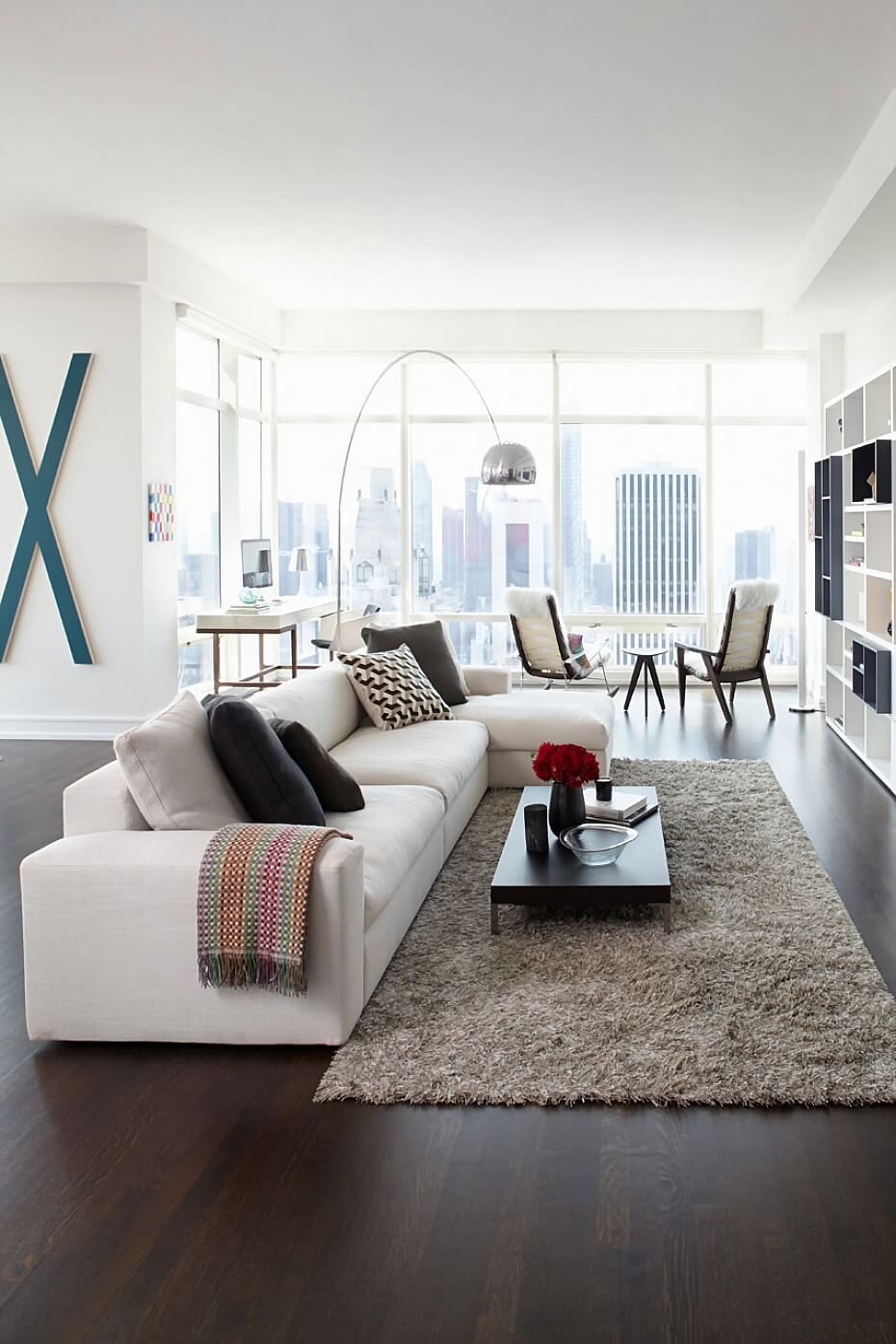
Existing architectural features, such as fireplaces, large windows with scenic views, or built-in shelving, often serve as natural focal points. Furniture can be arranged to highlight these features, for example, positioning a sofa to face a fireplace or arranging chairs near a window to maximize the view. This emphasizes the inherent architectural character of the space.
-
Entertainment Centers
In rooms where a television or entertainment system is the primary focus, the entertainment center becomes the focal point. Seating should be arranged to provide optimal viewing angles. This often involves positioning sofas and chairs directly facing the entertainment center, with additional seating arranged to accommodate larger gatherings. Consideration should be given to cable management and the placement of media consoles to maintain a clean aesthetic.
-
Artwork or Statement Pieces
A large piece of artwork, a striking sculpture, or a uniquely designed rug can also function as a focal point. Furniture can be arranged to draw attention to these pieces, creating a visually appealing and personalized environment. For instance, a sofa placed opposite a large painting allows viewers to appreciate the artwork comfortably. The use of lighting can further enhance the focal point.
-
Creating a Focal Point
In rooms lacking a natural focal point, one can be created. This might involve using a strategically placed mirror, a grouping of plants, or a dramatic light fixture. A carefully chosen and positioned focal point can enhance the room’s design and provide a sense of purpose to the furniture arrangement. This allows for design flexibility in spaces without prominent architectural details.
By strategically placing furniture in relation to the established focal point, a cohesive and inviting living room environment can be achieved. The focal point provides a visual anchor, guiding the eye and creating a sense of balance and purpose within the space. A well-defined focal point enhances the overall aesthetic and functionality of the living room.
2. Traffic Flow
Effective furniture arrangement dictates comfortable and unimpeded movement within a living room. Careful consideration of traffic flow is essential for creating a functional and welcoming space. A well-planned layout ensures ease of movement and prevents a cramped or disorganized feel. This involves analyzing pathways, anticipating common movements, and strategically placing furniture to accommodate these patterns.
-
Pathways
Clear pathways should be established between key areas within the living room, such as entrances, seating areas, and access to other rooms. Furniture should be positioned to avoid obstructing these pathways. For example, sufficient space should be provided between a sofa and a coffee table to allow comfortable passage. Adequate clearance around doorways ensures unobstructed entry and exit.
-
Seating Arrangement
Seating should be arranged to facilitate conversation and interaction while maintaining easy access. Avoid placing furniture in a way that forces individuals to navigate around or over obstacles. Placing chairs at appropriate angles and distances encourages comfortable conversation without impeding movement. Sufficient space between seating pieces allows for easy access and egress.
-
Furniture Size and Placement
The size and scale of furniture pieces should be considered in relation to the overall room dimensions. Oversized furniture in a small space can restrict movement and create a cramped atmosphere. Conversely, undersized furniture in a large room can appear lost and fail to define the space effectively. Selecting appropriately sized furniture ensures balanced proportions and maintains open pathways.
-
Accessibility
Furniture placement should consider the needs of all individuals using the space, including those with mobility limitations. Sufficient clearance should be provided around furniture to accommodate wheelchairs or walkers. Avoid creating tight spaces or narrow pathways that may pose challenges for movement. Careful consideration of accessibility enhances the usability and inclusivity of the living room.
By addressing traffic flow, a living room becomes more than just visually appealing; it becomes a functional and comfortable space that supports the natural rhythm of daily life. A well-considered layout promotes ease of movement, encourages social interaction, and enhances the overall livability of the space. The thoughtful arrangement of furniture optimizes both aesthetics and practicality, creating a harmonious and welcoming environment.
3. Balance and Symmetry
Balance and symmetry play crucial roles in creating a visually harmonious and aesthetically pleasing living room. These principles influence furniture placement and contribute significantly to the overall ambiance and perceived spaciousness of a room. Understanding the interplay of balance and symmetry allows for the creation of a cohesive and inviting living environment.
-
Visual Weight
Visual weight refers to the perceived “heaviness” of objects within a space. Larger, darker, or more intricately designed furniture pieces tend to carry more visual weight. Balancing visual weight involves distributing these elements evenly throughout the room. For example, a large sofa on one side of the room might be balanced by a pair of armchairs and a side table on the opposite side. This prevents one area from dominating the visual field and creates a sense of equilibrium.
-
Symmetrical Arrangements
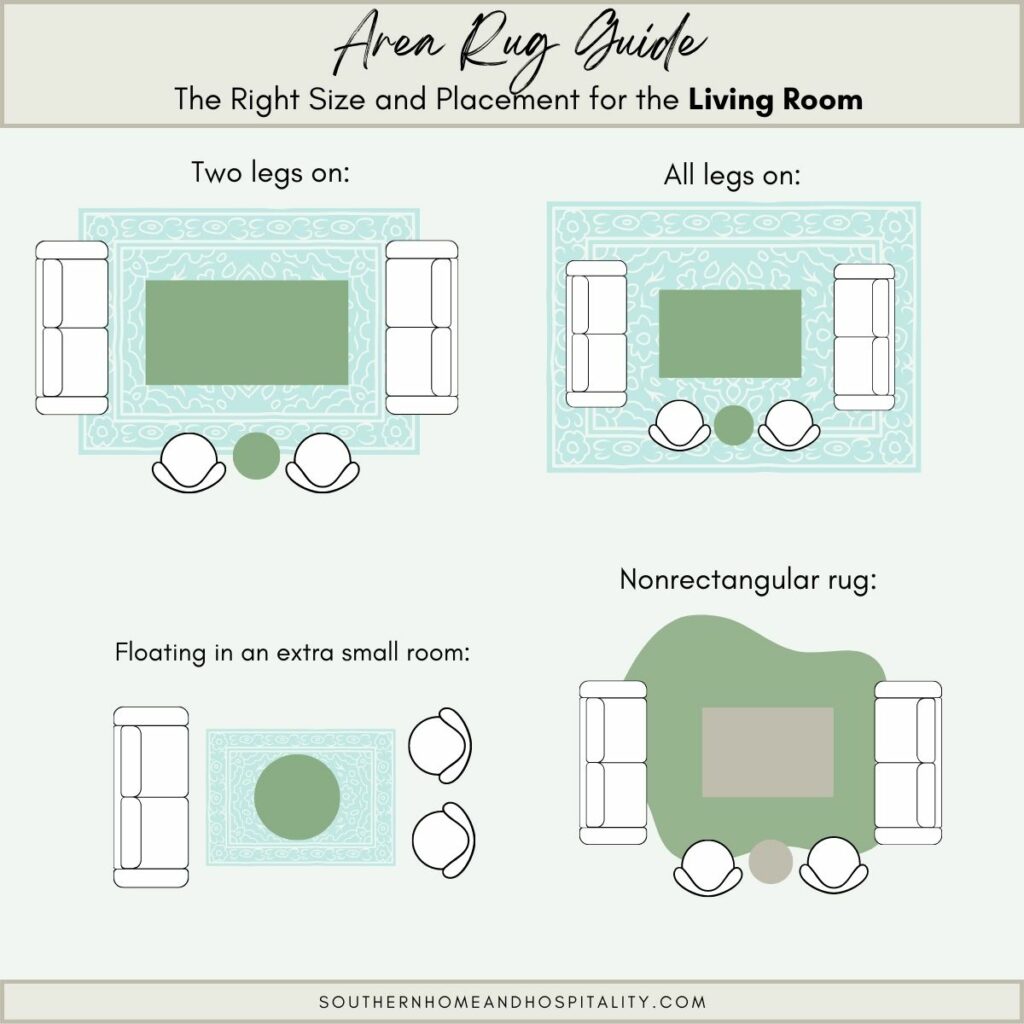
Symmetrical arrangements involve mirroring furniture placement on either side of a central axis. This approach creates a formal and balanced look, often associated with traditional interior design. For instance, two identical sofas placed facing each other, with a coffee table in the center, exemplify symmetrical balance. This layout evokes a sense of order and stability, suitable for spaces intended for formal gatherings or showcasing architectural features.
-
Asymmetrical Arrangements
Asymmetrical arrangements achieve balance through the careful distribution of different visual weights. This approach offers greater flexibility and can create a more dynamic and casual feel. For example, a large sectional sofa might be balanced by a grouping of smaller chairs and a floor lamp on the opposite side. Asymmetrical balance relies on the interplay of varying shapes, sizes, and textures to create visual equilibrium, often resulting in a more relaxed and contemporary aesthetic.
-
Impact on Room Perception
The application of balance and symmetry influences the perception of space within a living room. A well-balanced room feels harmonious and spacious, while an unbalanced room can feel cluttered and uncomfortable. Strategic use of these principles can visually expand a small room or create a more intimate atmosphere in a larger space. Understanding the impact of balance and symmetry allows for the manipulation of spatial perception to achieve desired effects, enhancing both functionality and aesthetics.
By understanding and applying the principles of balance and symmetry, one can arrange living room furniture to create a space that is not only visually appealing but also functional and comfortable. The careful consideration of visual weight and the strategic use of symmetrical or asymmetrical arrangements contribute significantly to the overall harmony and livability of the space, fostering a welcoming and aesthetically pleasing environment.
4. Conversation Areas
Conversation areas represent a key consideration when arranging living room furniture. Their effective design promotes social interaction and contributes significantly to the overall functionality and comfort of the space. Creating well-defined conversation areas involves thoughtful furniture placement and consideration of factors such as proximity, orientation, and accessibility.
-
Seating Arrangement
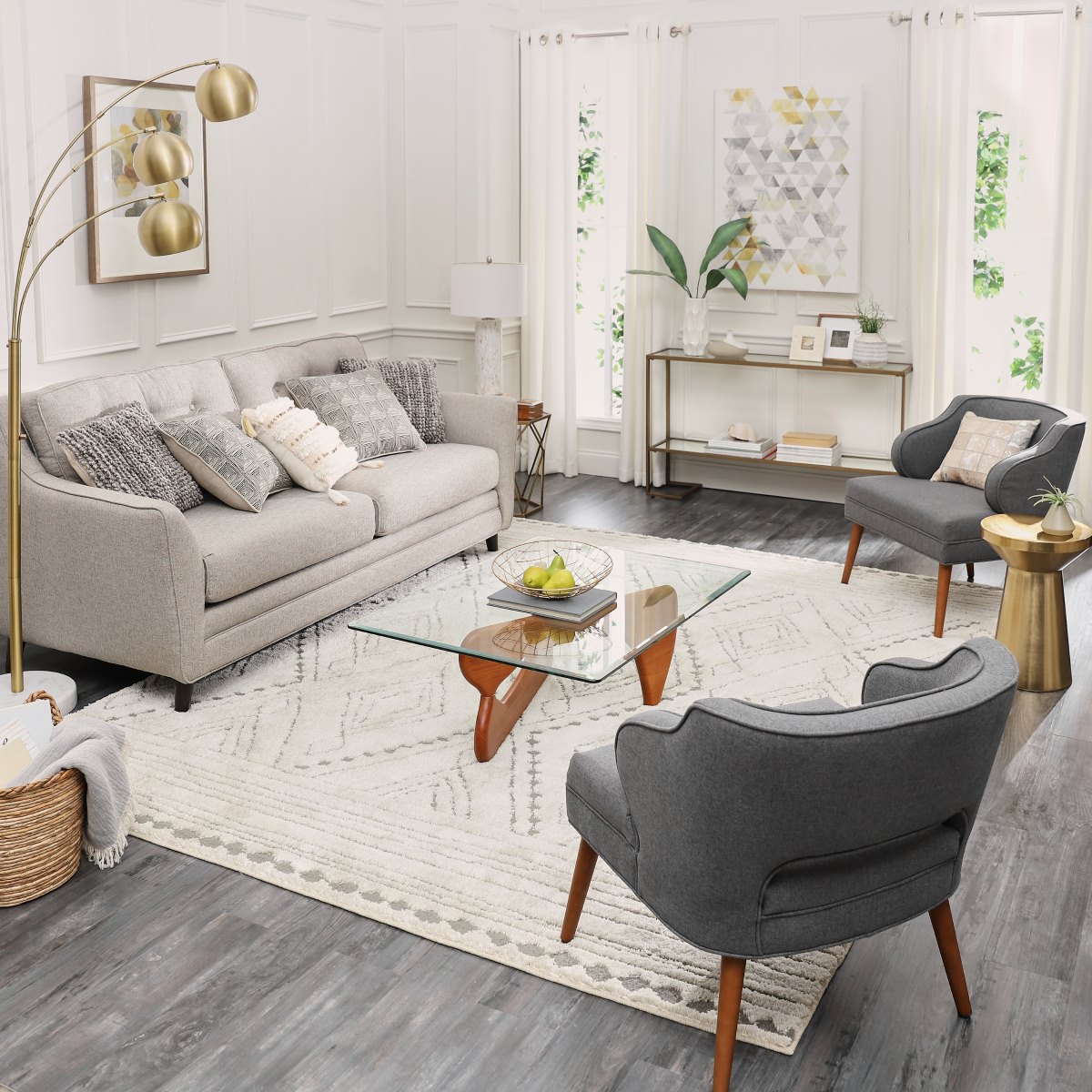
The arrangement of seating within a conversation area directly impacts its effectiveness. Positioning chairs and sofas facing each other fosters a sense of intimacy and encourages interaction. A circular or semi-circular arrangement promotes inclusivity and facilitates eye contact among participants. For example, a sofa and two armchairs arranged around a coffee table create a classic conversation area layout. Avoid placing seating too far apart, as this can hinder conversation and create a disjointed feel.
-
Proximity and Personal Space
Maintaining appropriate proximity between seating pieces is crucial for comfortable conversation. While furniture should be close enough to facilitate interaction, it should also respect personal space. A distance of approximately 4 to 10 feet between seating pieces generally allows for comfortable conversation without feeling cramped. Adjusting spacing based on the room size and the number of people typically using the space ensures an inviting and functional arrangement.
-
Focal Point and Orientation
Conversation areas often benefit from a central focal point, such as a fireplace, a piece of artwork, or a window with an appealing view. Orienting seating towards the focal point provides a shared point of reference and enhances the sense of unity within the space. For instance, arranging chairs around a fireplace creates a cozy and inviting atmosphere for conversation. Consider the natural flow of light and the placement of windows when orienting furniture to optimize both visual appeal and comfort.
-
Accessibility and Flow
Ensuring easy access to and from the conversation area contributes to its overall functionality. Avoid obstructing pathways or creating tight spaces that hinder movement. Sufficient clearance around furniture allows individuals to enter and exit the conversation area without disrupting the flow of the room. Consider the placement of tables, rugs, and other accessories to ensure they complement the seating arrangement and do not impede movement.
The careful planning and execution of conversation areas significantly impacts the overall success of a living room arrangement. By considering factors such as seating arrangement, proximity, focal point, and accessibility, one can create a space that fosters comfortable interaction and enhances the overall livability and enjoyment of the room. These considerations contribute to a well-designed and functional living room that effectively serves as a hub for social gatherings and relaxation.
Conclusion
Strategic furniture arrangement is paramount to a functional and aesthetically pleasing living room. Careful consideration of focal points, traffic flow, balance, symmetry, and conversation area dynamics yields a space conducive to both relaxation and social interaction. Establishing a clear focal point anchors the room, while maintaining unobstructed pathways ensures ease of movement. Balancing visual weight, whether through symmetrical or asymmetrical arrangements, creates visual harmony. Thoughtfully designed conversation areas foster comfortable interaction and enhance the overall livability of the space.
Ultimately, successful living room arrangements transform a house into a home. The principles explored provide a foundational framework for creating spaces that reflect individual lifestyles and needs. Adapting these guidelines to specific room dimensions, architectural features, and desired functionalities empowers individuals to cultivate inviting and harmonious living environments.