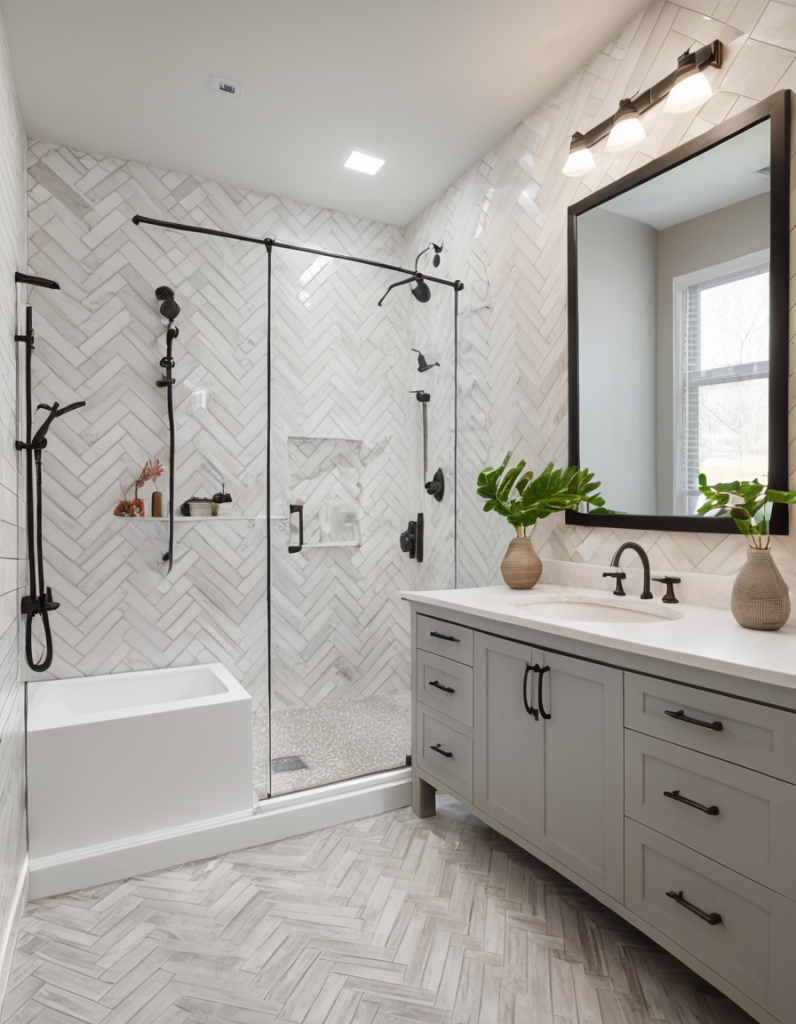
Small bathrooms, powder rooms, and even larger spaces can benefit from design choices that evoke a sense of charm and delight. This approach typically involves incorporating elements such as pastel color palettes, whimsical patterns, natural materials, and space-saving solutions that maximize functionality without sacrificing aesthetics. Examples include using patterned wallpaper, incorporating vintage-inspired fixtures, or adding playful accessories like decorative mirrors and quirky storage containers.
Creating a bathroom with an aesthetically pleasing and charming atmosphere can significantly enhance the overall experience of the space. A well-designed bathroom can become a sanctuary, promoting relaxation and a sense of well-being. Historically, bathroom design has evolved from purely utilitarian spaces to areas that prioritize both functionality and aesthetics. The current trend towards charming and aesthetically pleasing bathrooms reflects a broader societal shift towards creating homes that are both comfortable and visually appealing.
This discussion will further explore various aspects of achieving this design aesthetic, including specific color palettes, material choices, lighting options, and effective space utilization techniques.
1. Color Palette
The color palette plays a crucial role in establishing the desired aesthetic in bathroom design. Soft, pastel hues like blush pink, mint green, or baby blue are frequently employed to create a light, airy, and charming atmosphere. These colors evoke feelings of tranquility and sweetness, aligning with the overall goal of creating a space that is both visually appealing and emotionally comforting. Conversely, brighter, more saturated colors can be used sparingly as accent colors to add pops of personality and visual interest without overwhelming the softer, dominant hues. For instance, a pale yellow bathroom might incorporate hints of coral in the towels or bathmat to inject a touch of playful energy.
Careful consideration of color combinations is essential. Monochromatic schemes using varying shades of a single color can create a sense of harmony and sophistication. Complementary colors, like blue and yellow, can be used to create a more dynamic and energetic space, while analogous colors, such as green and blue-green, offer a calming and cohesive feel. The chosen color palette influences not only the visual appeal but also the perceived size and atmosphere of the room. Lighter colors tend to make a space feel larger and more open, while darker colors can create a sense of intimacy and coziness. Practical applications include using lighter colors in smaller bathrooms to maximize the sense of space and incorporating darker accent colors to add depth and visual interest to larger bathrooms.
Ultimately, the successful implementation of a color palette in a charming bathroom design relies on a balanced and thoughtful approach. Understanding the psychological impact of color and the interplay between different hues allows for the creation of a space that is both aesthetically pleasing and emotionally resonant. Balancing functionality with aesthetics remains a key challenge, requiring careful selection of materials and finishes that are both durable and visually appealing in the chosen color scheme. This careful selection contributes significantly to the overall success of the design and the creation of a truly charming bathroom space.
2. Decorative Accessories
Decorative accessories play a pivotal role in achieving a cute bathroom design aesthetic. They serve as the finishing touches that inject personality and charm into the space, transforming a functional room into a personalized sanctuary. Carefully chosen accessories can enhance the overall theme, introduce pops of color, and create visual interest. For example, a set of matching toothbrush holders, soap dispensers, and a vanity tray in a pastel hue can contribute to a cohesive and charming look. Similarly, whimsical wall art featuring playful animal motifs or botanical prints can amplify the sense of cuteness. The strategic placement of these accessories is crucial; overcrowding can create a cluttered feel, while sparsely placed items might appear disjointed. A balanced approach is key to achieving a cohesive and visually appealing result.
The selection of decorative accessories should align with the overall design theme of the bathroom. A vintage-inspired bathroom might benefit from accessories like antique-style apothecary jars or a distressed wooden mirror frame. Conversely, a more modern, minimalist approach might incorporate sleek, geometrically shaped accessories in metallic finishes. Texture also plays a significant role; incorporating elements like woven baskets, fluffy bath mats, or textured towels can add depth and visual interest, further enhancing the cute aesthetic. Practical considerations should also inform the choice of accessories. Items like shower caddies, towel racks, and storage containers can be both functional and aesthetically pleasing, contributing to the overall charm while maintaining practicality.
Successfully incorporating decorative accessories into a cute bathroom design requires a thoughtful and balanced approach. The chosen accessories should complement the existing color palette and design elements, contributing to a cohesive and harmonious look. While adding personality and charm, functionality should not be compromised. The ultimate goal is to create a space that is both visually appealing and practical, reflecting the user’s personality and enhancing their daily routine.
3. Space Optimization
Space optimization is paramount in achieving a cute bathroom design, particularly in smaller spaces. Limited square footage necessitates clever solutions that maximize functionality without sacrificing the desired aesthetic. Efficient space utilization enhances the perception of spaciousness and contributes to a more organized and visually appealing environment. For instance, a wall-mounted sink frees up valuable floor space, creating a sense of openness, while a recessed medicine cabinet provides ample storage without protruding into the room. The strategic placement of fixtures and the incorporation of multi-functional elements are crucial for achieving both practicality and charm.
Several design strategies can be employed to optimize space in a cute bathroom. Vertical storage solutions, such as tall, narrow shelving units, maximize wall space utilization. Over-the-toilet storage units offer a convenient way to store toiletries and other bathroom essentials without taking up valuable floor space. Corner sinks and shower caddies are further examples of space-saving solutions that contribute to a clutter-free and aesthetically pleasing environment. Incorporating light-colored tiles and ample lighting can create an illusion of spaciousness, enhancing the overall effect. Choosing smaller-scale fixtures, like a compact toilet or a pedestal sink, can also significantly impact the perceived size of the room. These strategies, when implemented effectively, can transform even the smallest bathroom into a charming and functional space.
The successful implementation of space optimization techniques in a cute bathroom design requires careful planning and consideration. Balancing functionality and aesthetics remains a key challenge. Prioritizing essential elements and incorporating clever storage solutions ensures that the space remains both practical and visually appealing. Ultimately, the goal is to create a bathroom that feels spacious, organized, and charming, regardless of its actual size. This contributes significantly to the overall success of the design and the creation of a truly delightful and functional bathroom space.
4. Natural Materials
Natural materials play a significant role in enhancing the charm and warmth of cute bathroom designs. Their inherent textures and organic qualities contribute to a visually appealing and comforting atmosphere, aligning seamlessly with the overall aesthetic goal. Incorporating natural elements creates a connection with the outdoors, fostering a sense of tranquility and serenity within the bathroom space. The choice of specific materials and their application significantly influence the overall design and contribute to the creation of a truly inviting and aesthetically pleasing environment.
-
Wood
Wood introduces warmth and a touch of rustic charm to cute bathroom designs. From vanity countertops crafted from reclaimed wood to wooden shelving units and accessories, the versatility of wood allows for diverse applications. Different wood types, such as bamboo or teak, offer varying levels of durability and water resistance, making them suitable for different bathroom applications. The natural grain and texture of wood add visual interest and contribute to a cozy and inviting atmosphere. However, proper sealing and maintenance are essential to protect wood from moisture damage in the bathroom environment.
-
Stone
Stone, in its various forms, adds a touch of elegance and sophistication to cute bathroom designs. Marble, granite, and travertine are popular choices for countertops, flooring, and shower walls. The natural veining and color variations in stone create a unique and visually appealing aesthetic. Stone’s durability and resistance to water and heat make it a practical choice for bathroom applications. However, stone can be a more expensive option and may require specific cleaning and maintenance procedures to preserve its beauty.
-
Wicker/Rattan
Wicker and rattan introduce texture and visual interest to cute bathroom designs. These natural fibers can be incorporated through baskets for storage, laundry hampers, or even as decorative accents. They contribute to a warm and inviting atmosphere, adding a touch of bohemian or rustic charm. However, wicker and rattan are susceptible to moisture damage and require careful consideration for placement and maintenance in a bathroom setting.
-
Plants
Incorporating plants into bathroom design enhances the connection with nature and contributes to a fresh and vibrant atmosphere. Plants not only add visual appeal but also improve air quality and create a sense of tranquility. Moisture-loving plants, such as ferns or orchids, thrive in the humid bathroom environment. Strategically placed plants, whether on shelves, windowsills, or hanging from the ceiling, can significantly enhance the overall aesthetic and contribute to a more inviting and charming space.
The strategic use of natural materials significantly contributes to the overall aesthetic of a cute bathroom design. These materials not only enhance the visual appeal but also create a more calming and inviting atmosphere. Balancing the inherent beauty of natural materials with the practical considerations of a bathroom environment, such as moisture and humidity, ensures a successful and sustainable design. Careful selection and proper maintenance of these materials are essential for preserving their beauty and longevity, ultimately contributing to the creation of a truly charming and functional bathroom space.
5. Whimsical Patterns
Whimsical patterns contribute significantly to the overall aesthetic of cute bathroom designs. These patterns, characterized by playful motifs, vibrant colors, and unexpected combinations, inject personality and charm into the space. Their presence can transform a mundane bathroom into a vibrant and engaging environment. The strategic incorporation of whimsical patterns can range from subtle accents to bold statements, depending on the desired level of visual impact. For instance, incorporating wallpaper featuring delicate floral prints can create a soft, romantic ambiance, while geometric patterns in vibrant hues can contribute to a more energetic and playful atmosphere. The careful selection and placement of these patterns are crucial for achieving a cohesive and visually appealing design.
The psychological impact of whimsical patterns within a bathroom setting is noteworthy. Playful motifs and vibrant colors can evoke feelings of joy, lightheartedness, and even nostalgia. This positive emotional response contributes to the overall sense of comfort and well-being within the space. Furthermore, whimsical patterns can serve as a focal point, drawing attention to specific areas or features within the bathroom. For example, a patterned backsplash behind the vanity can create a visual centerpiece, adding depth and character to the room. The scale and repetition of patterns also influence the perceived size and atmosphere of the space. Smaller, more intricate patterns can create a sense of intimacy, while larger, bolder patterns can contribute to a more dynamic and energetic feel. Practical considerations include the durability and cleanability of materials featuring whimsical patterns, especially in a moisture-prone environment like a bathroom. Selecting materials that are both aesthetically pleasing and resistant to water and mildew is essential for maintaining the longevity of the design.
Successfully integrating whimsical patterns into a cute bathroom design requires a balanced and thoughtful approach. The chosen patterns should complement the existing color palette and design elements, contributing to a cohesive and harmonious look. Overuse can lead to a visually overwhelming and cluttered space, while underutilization might fail to achieve the desired level of charm and personality. The ultimate goal is to create a bathroom that reflects the user’s personality and enhances their daily routine through the strategic and balanced incorporation of playful and engaging patterns.
Cute Bathroom Design Ideas
Charming bathroom design involves a multifaceted approach encompassing color palettes, decorative accessories, space optimization, natural materials, and whimsical patterns. Soft pastel hues, complemented by carefully chosen accessories, establish a welcoming atmosphere. Efficient space utilization maximizes functionality, particularly in smaller bathrooms. The incorporation of natural materials like wood and stone adds warmth and texture, while playful patterns inject personality. Each element contributes to a cohesive design that transforms a utilitarian space into a delightful retreat.
Careful consideration of these elements allows for the creation of highly personalized and aesthetically pleasing bathrooms. The potential for customization within this design approach is vast, offering opportunities to create spaces that reflect individual preferences and enhance daily routines. Ultimately, successful implementation relies on a balanced and thoughtful approach, merging functionality with aesthetics to achieve a truly charming and practical bathroom design.