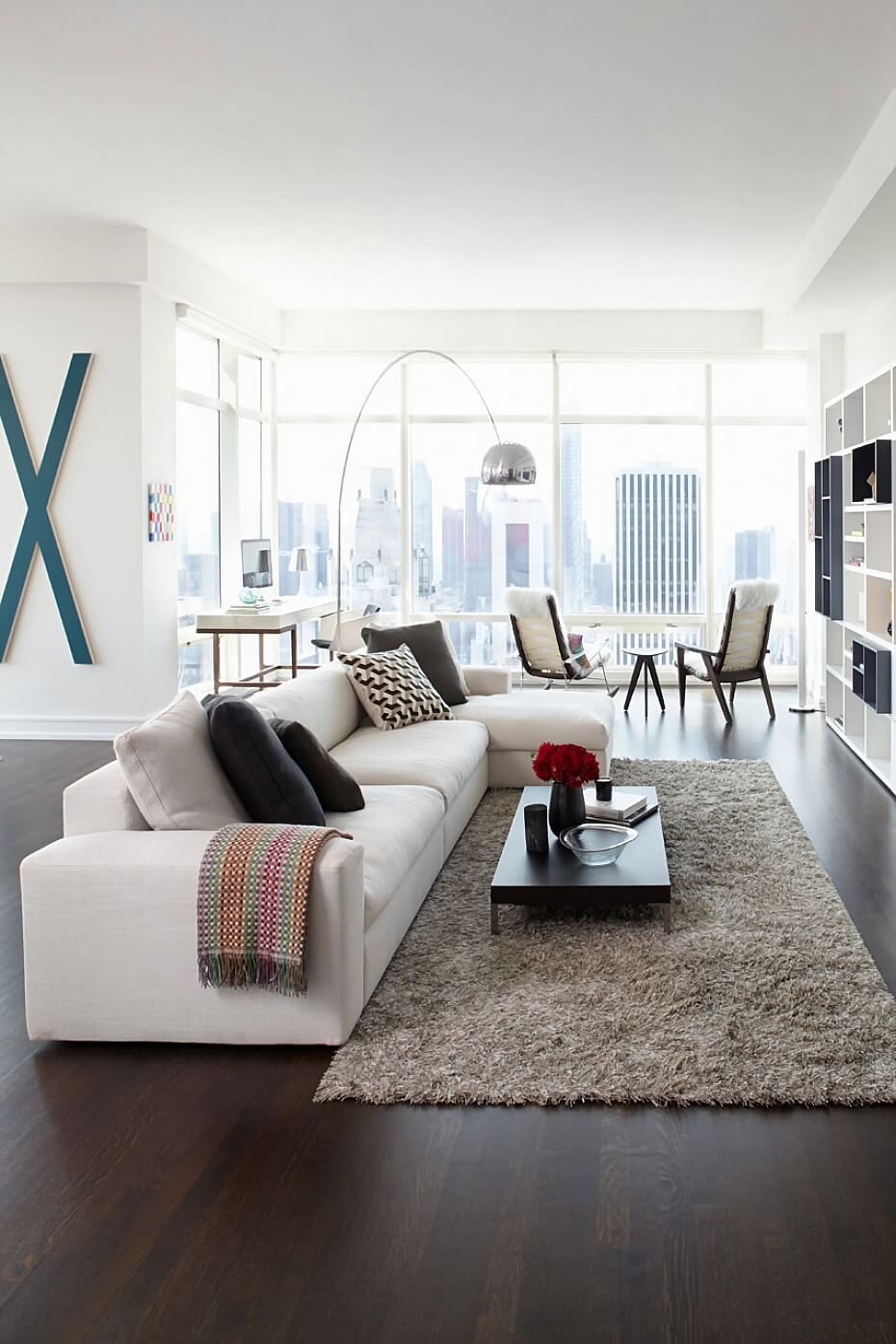
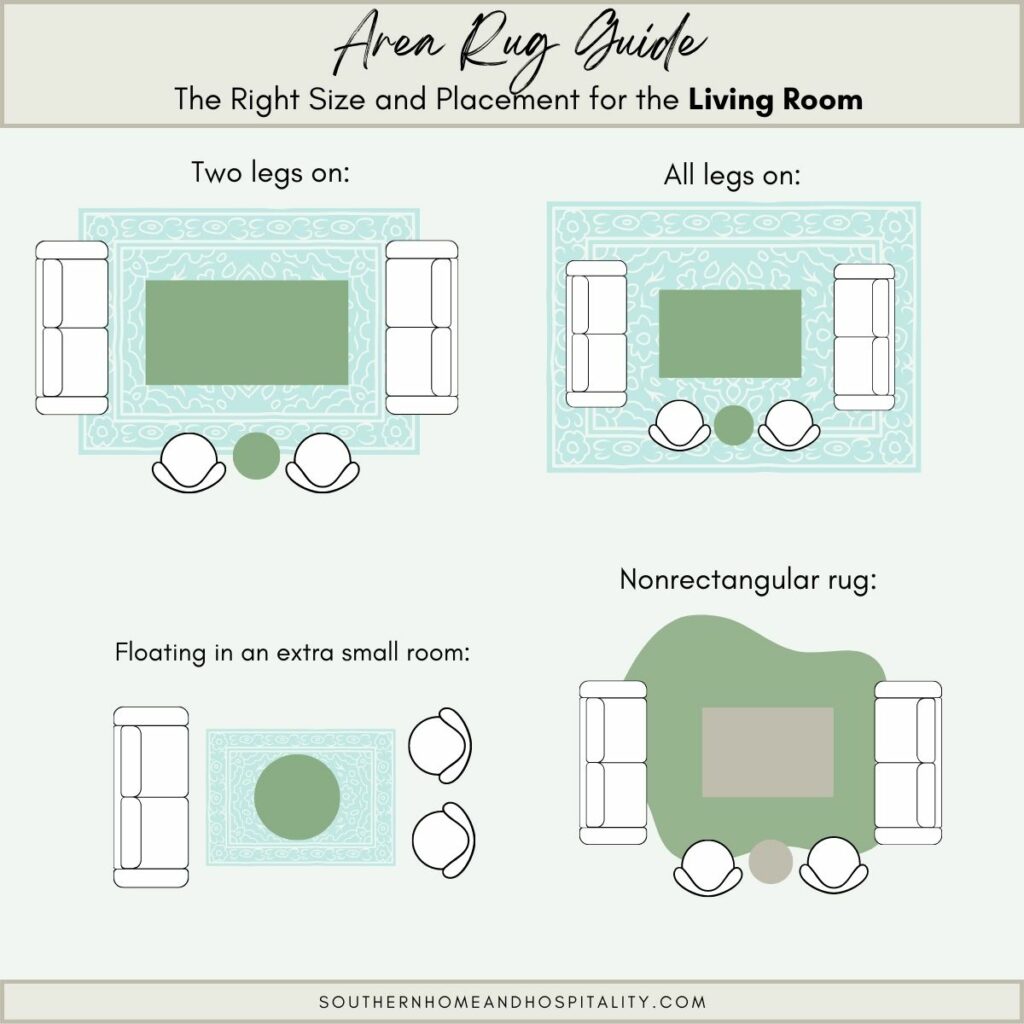
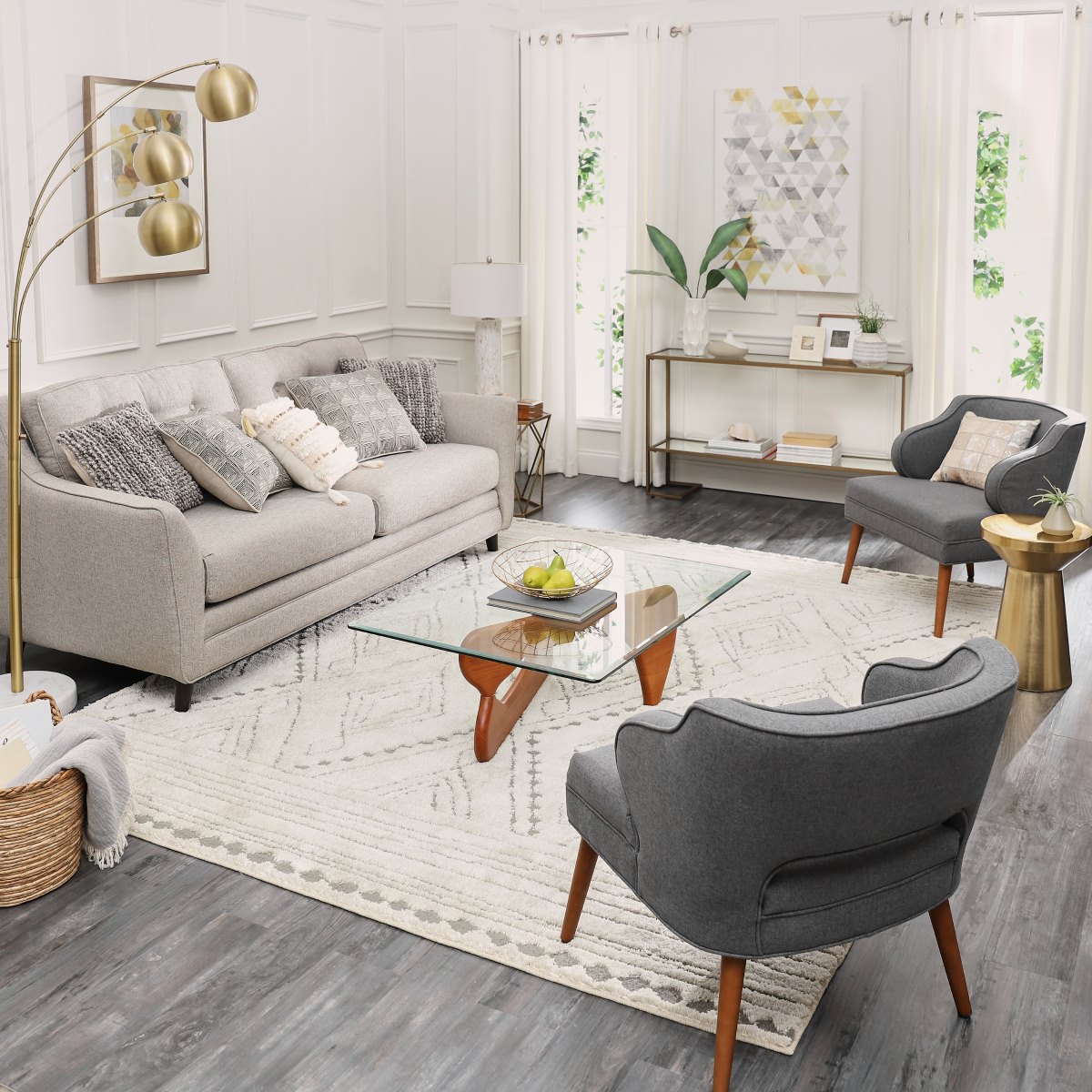
Forward-looking interior design for the primary living space in a home anticipates the styles and trends predicted to be prevalent in 2025. This encompasses furniture selection, color palettes, material choices, lighting design, and the incorporation of decorative accessories to create a specific ambiance and functionality.
Creating a comfortable and aesthetically pleasing living area is essential for well-being and reflects evolving lifestyle needs. Understanding predicted trends allows homeowners to make informed decisions, potentially increasing the long-term value and enjoyment of their homes. Historically, living room design has reflected broader societal shifts and technological advancements, and anticipating these changes can lead to a space that feels both contemporary and timeless.
The following sections will explore specific predicted design elements for 2025, including sustainable material choices, the integration of smart home technology, and evolving color and texture trends.
1. Sustainability
Sustainability is projected to be a defining characteristic of living room design in 2025. This reflects a growing consumer awareness of environmental impact and a desire for healthier living spaces. Choosing sustainable materials reduces the carbon footprint associated with furniture production and minimizes exposure to harmful chemicals. Examples include furniture crafted from reclaimed wood, bamboo, or other rapidly renewable resources. Upholstery made from organic cotton, linen, or recycled materials further contributes to an environmentally conscious approach. This focus also extends to finishes, with low-VOC paints and natural stains gaining prominence.
The emphasis on sustainable practices extends beyond material selection. Energy efficiency plays a crucial role, with LED lighting and smart home systems designed to minimize energy consumption becoming increasingly standard. Incorporating natural light through strategic window placement and maximizing airflow also contribute to a more sustainable and comfortable living environment. Durable, high-quality furniture built to last reduces the need for frequent replacements, minimizing waste and promoting long-term value. Furthermore, sourcing furniture and dcor locally reduces transportation emissions and supports local economies.
Integrating sustainable practices into living room design offers both environmental and personal benefits. Reduced environmental impact contributes to a healthier planet, while healthier material choices create a more comfortable and non-toxic living environment. Embracing sustainable design principles can create aesthetically pleasing and ethically conscious spaces that resonate with the values of a growing number of homeowners in 2025 and beyond. The challenge lies in balancing affordability with the desire for high-quality, sustainable products. However, increasing availability and evolving consumer demand are anticipated to make sustainable design increasingly accessible.
2. Smart Integration
Seamless integration of technology is expected to be a defining feature of living rooms in 2025. Smart home technology enhances convenience, entertainment, and control over the living environment. This integration represents a shift towards personalized and responsive spaces that cater to individual needs and preferences. Smart integration can streamline daily routines and create a more comfortable and efficient living experience.
-
Automated Lighting and Temperature Control
Automated systems offer precise control over lighting and temperature. Occupancy sensors adjust lighting levels based on presence, optimizing energy consumption. Smart thermostats learn user preferences and adjust temperature automatically, enhancing comfort and efficiency. Voice control further simplifies adjustments, allowing for hands-free operation.
-
Entertainment Systems
Integrated entertainment systems provide centralized control over audio and video components. Streaming services, gaming consoles, and smart TVs can be seamlessly connected and controlled through a single interface. High-quality audio systems with integrated speakers deliver immersive sound experiences. Projectors and retractable screens offer adaptable entertainment options.
-
Security and Safety
Smart security systems integrate seamlessly within the living room. Doorbell cameras and window sensors enhance security monitoring. Smart smoke detectors and carbon monoxide detectors provide early warning systems. Automated locking systems offer enhanced security and peace of mind. These systems can often be controlled and monitored remotely.
-
Smart Assistants and Voice Control
Voice assistants offer hands-free control over various smart home functions. Users can control lighting, temperature, entertainment systems, and security features through voice commands. This integration simplifies daily routines and enhances accessibility within the living room environment.
These integrated technologies contribute to a more personalized and responsive living environment. By automating tasks, optimizing resource consumption, and enhancing entertainment experiences, smart integration is anticipated to play a central role in shaping living room design and functionality in 2025. The increasing affordability and accessibility of these technologies are driving their adoption and shaping expectations for modern living spaces.
3. Personalized Comfort
Personalized comfort represents a significant shift in living room design for 2025, moving beyond purely aesthetic considerations to prioritize individual well-being and functionality. This approach recognizes that living rooms serve diverse purposes, from relaxation and entertainment to work and social interaction. Creating a space that caters to individual needs and preferences enhances the overall quality of life within the home.
-
Adaptable Furniture
Modular sofas, adjustable tables, and flexible storage solutions allow residents to reconfigure the living room layout based on current needs. A modular sofa can be expanded to accommodate guests or separated into individual seating for a more intimate setting. Adjustable tables can serve as coffee tables, dining tables, or work surfaces, maximizing functionality. This adaptability caters to evolving lifestyles and allows the living room to serve multiple purposes.
-
Personalized Decor and Accessories
Incorporating personal touches through artwork, photographs, and cherished objects creates a sense of ownership and reflects individual tastes. Curated collections of books, plants, or travel souvenirs add character and tell a personal story. This personalization transforms the living room into a unique reflection of its occupants, fostering a sense of comfort and belonging. The trend towards personalized decor emphasizes the importance of creating spaces that resonate with individual identities.
-
Biophilic Design Integration
Incorporating natural elements, such as plants, natural light, and organic materials, enhances well-being and creates a calming atmosphere. Indoor plants improve air quality and contribute to a sense of tranquility. Maximizing natural light through strategic window placement and the use of light-colored fabrics enhances brightness and reduces the need for artificial lighting. Natural materials like wood, stone, and organic textiles create a connection with nature, promoting relaxation and a sense of calm.
-
Designated Zones for Specific Activities
Creating distinct zones within the living room caters to different activities and promotes a sense of order and functionality. A reading nook with comfortable seating and ample lighting provides a dedicated space for relaxation. A designated workspace with a comfortable chair and appropriate lighting allows for focused work or study. A dedicated entertainment zone with comfortable seating and a high-quality audio-visual setup enhances the movie-watching experience. Clearly defined zones optimize space utilization and cater to diverse needs within the living room.
These facets of personalized comfort contribute to a more holistic approach to living room design in 2025. By prioritizing individual needs and preferences, these design elements transform the living room into a sanctuary that promotes well-being, encourages self-expression, and enhances the overall living experience. This focus on personalized comfort represents a shift towards more human-centered design principles, recognizing the vital role of the living room in fostering a sense of belonging and enhancing quality of life within the home.
Conclusion
Projected living room design trends for 2025 indicate a convergence of sustainability, smart home technology, and personalized comfort. Natural materials, energy-efficient solutions, and a focus on minimizing environmental impact will likely shape material choices and design principles. Seamless integration of smart technology offers enhanced control over lighting, temperature, entertainment, and security, promoting convenience and personalization. Creating spaces that cater to individual needs and preferences through adaptable furniture, personalized decor, and designated activity zones will be central to enhancing well-being and functionality.
Successfully navigating these evolving trends requires a holistic approach, considering both the aesthetic and functional aspects of living room design. Creating spaces that are both beautiful and adaptable to the evolving needs of occupants will be paramount. The anticipated outcome is a living environment that promotes comfort, well-being, and reflects a conscious approach to design that balances technological advancements with a renewed appreciation for natural elements and personalized experiences.