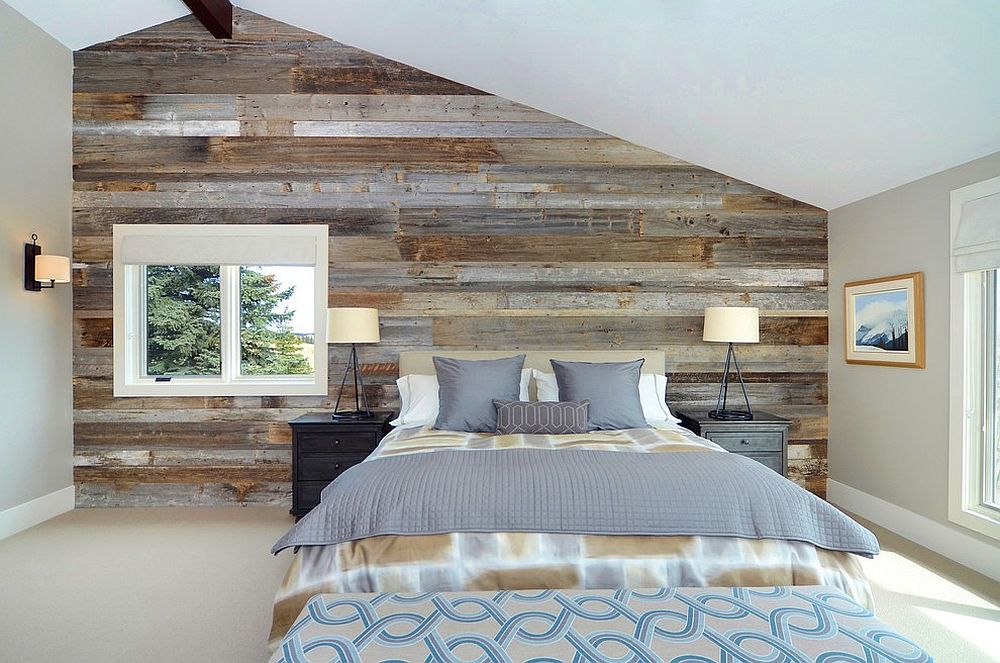
Transforming an underutilized guest room into a dual-purpose space that accommodates both visitors and professional needs is a popular trend in modern homes. This involves creating a functional office area within the existing bedroom layout, allowing the room to serve two distinct functions without compromising either. For instance, a daybed with storage underneath can provide seating and guest sleeping arrangements while a strategically placed desk and shelving unit create a dedicated workspace.
This approach maximizes space utilization, particularly beneficial in smaller homes or apartments where dedicated rooms for guests and work might not be feasible. Historically, guest rooms often remained unused for extended periods. The concept of incorporating a workspace addresses this inefficiency, turning the room into a productive area even when guests are absent. This added functionality increases the overall value and utility of the home, adapting to evolving lifestyle needs that prioritize flexible living spaces.
Key considerations for designing such a multifunctional room include furniture selection, storage solutions, lighting, and dcor, all of which contribute to a harmonious blend of comfort and productivity. Further exploration of these elements will provide practical guidance for creating a successful dual-purpose space.
1. Space Planning
Effective space planning forms the foundation of a successful dual-purpose spare bedroom/office. It dictates how the room functions for both work and guests, ensuring neither compromises the other. Careful consideration of available space and its allocation directly impacts the room’s utility and overall aesthetic.
-
Zoning and Functionality
Defining distinct zones for work and rest is paramount. This involves strategically positioning furniture to delineate the workspace from the sleeping area. A clearly defined workspace promotes concentration and productivity, while a separate sleeping area offers guests privacy and comfort. For example, positioning a desk near a window creates a dedicated work zone, while a bed placed on the opposite side establishes a separate area for relaxation.
-
Furniture Placement and Scale
Furniture choices significantly impact spatial dynamics. Opting for multi-functional pieces, such as sofa beds or Murphy beds, maximizes space utilization. Correctly scaling furniture to the room’s dimensions prevents overcrowding and ensures comfortable navigation. A bulky desk in a small room can overwhelm the space, while a compact desk allows for better flow.
-
Traffic Flow and Accessibility
Maintaining clear pathways within the room is essential for comfortable movement. Furniture placement should facilitate easy access to both the workspace and the sleeping area, avoiding obstructions and maximizing usable floor space. A cluttered walkway hinders access and diminishes the room’s functionality. Conversely, a clear path enhances both functionality and aesthetic appeal.
-
Visual Balance and Harmony
Visual balance creates a harmonious and aesthetically pleasing environment. Distributing furniture and dcor elements evenly throughout the space avoids a sense of imbalance or overcrowding. A room with furniture clustered on one side appears unbalanced, whereas an even distribution promotes visual appeal and a sense of spaciousness. This contributes to a room that feels both functional and inviting.
By addressing these facets of space planning, one can transform a spare bedroom into a highly functional and aesthetically pleasing dual-purpose room that effectively serves both work and guest needs. Careful planning ensures a cohesive blend of form and function, creating a space that is both productive and welcoming.
2. Furniture Selection
Furniture selection plays a pivotal role in achieving the dual functionality of a spare bedroom and office. Appropriate choices directly influence the room’s ability to serve as both a comfortable guest space and a productive workspace. Cause and effect relationships between furniture choices and the overall functionality are key considerations. For example, selecting a bulky desk for a small room can impede movement and create a cramped feeling, negatively impacting both work and rest. Conversely, choosing a compact, multi-functional desk maximizes space and enhances the room’s adaptability.
As a core component of spare bedroom and office design, furniture selection requires careful evaluation of needs and priorities. A sofa bed, for instance, serves as seating during the day and a comfortable bed for guests at night. Similarly, a desk with built-in storage keeps office supplies organized and out of sight when not in use, maintaining a tidy appearance for guests. These choices demonstrate the practical significance of selecting furniture that serves multiple purposes within a limited space. A strategically chosen storage ottoman can hide away extra blankets and pillows while also serving as additional seating or a footrest. This illustrates how thoughtful furniture selection can contribute to both functionality and aesthetics.
Successfully combining a guest room and office hinges on selecting furniture that optimizes space, promotes functionality, and maintains a cohesive aesthetic. Addressing the potential challenges of limited space and varying needs requires careful planning and prioritization. Multi-functional furniture, space-saving designs, and strategic placement contribute to creating a room that is both practical and inviting. By considering these factors, one can transform a spare bedroom into a versatile and welcoming space that effectively accommodates both work and guests.
3. Lighting Design
Lighting design is crucial for a successful dual-purpose spare bedroom/office. It directly impacts both productivity and the ability to create a welcoming guest environment. A well-lit workspace promotes focus and efficiency, while softer lighting contributes to a relaxing atmosphere suitable for guests. Consider the cause-and-effect relationship: insufficient task lighting can strain eyes and hinder work, while overly bright or harsh lighting can disrupt sleep and make a guest room feel uninviting. Therefore, a layered lighting approach is essential, combining ambient, task, and accent lighting to address the diverse needs of the space.
As a critical component of spare bedroom and office design, lighting requires careful planning. Ambient lighting provides overall illumination, setting the general mood. Recessed lighting or a subtle pendant fixture can achieve this. Task lighting, such as a desk lamp or adjustable floor lamp, offers focused light for work activities. Accent lighting, through bedside lamps or strategically placed wall sconces, adds warmth and visual interest, enhancing the guest room aesthetic. For example, a dimly lit workspace can hinder productivity, while a brightly lit guest area can feel stark and unwelcoming. Conversely, a well-executed lighting plan creates a functional and inviting space adaptable to different needs.
Understanding the practical significance of lighting design allows for effective adaptation of the spare bedroom/office. Addressing the potential challenges of limited space and varying needs through appropriate lighting choices enhances functionality. Layering lighting options creates versatility, enabling the room to transition seamlessly between a productive workspace and a relaxing guest room. This adaptability underscores the importance of lighting as a key element in maximizing the utility and comfort of a dual-purpose space. Failure to address lighting adequately can diminish both productivity and guest comfort, highlighting the integral role of lighting design in successful spare bedroom/office integration.
4. Storage Solutions
Effective storage solutions are essential for maintaining a functional and organized dual-purpose spare bedroom/office. The inherent challenge of combining two distinct functions within a single room necessitates thoughtful storage strategies to accommodate both work-related items and guest belongings. Efficient storage maximizes space utilization, minimizes clutter, and contributes to a seamless transition between the room’s two primary uses. Insufficient storage can lead to a disorganized and cluttered environment, hindering both productivity and guest comfort. Therefore, a well-planned storage strategy is paramount in achieving a successful spare bedroom/office integration.
-
Concealed Storage
Maximizing available space often requires integrating concealed storage solutions. Items such as ottomans with hidden compartments, beds with under-bed storage, or built-in wardrobes provide discreet storage for guest linens, off-season clothing, or office supplies. These solutions maintain a clutter-free aesthetic while ensuring essential items remain readily accessible. For example, a storage ottoman can serve as a footrest while discreetly storing extra blankets, while a bed with built-in drawers eliminates the need for a separate dresser, freeing up valuable floor space.
-
Vertical Space Optimization
Utilizing vertical space is key to maximizing storage capacity in a dual-purpose room. Tall bookshelves, wall-mounted cabinets, or floating shelves offer ample storage without encroaching on valuable floor space. This approach is particularly effective for storing books, files, and decorative items, keeping surfaces clear and maintaining a sense of spaciousness. Installing shelves above a desk, for instance, provides easy access to work materials while maximizing vertical space.
-
Multi-Functional Furniture
Incorporating multi-functional furniture with built-in storage capabilities contributes significantly to an organized and efficient spare bedroom/office. A desk with integrated drawers and shelves provides designated storage for office supplies, while a sofa bed with hidden storage compartments offers a convenient solution for guest linens and pillows. This approach streamlines storage while maximizing the functionality of each piece of furniture. A filing cabinet that doubles as a printer stand, for instance, optimizes space and consolidates office equipment.
-
Decluttering and Organization
Regular decluttering and organization are essential for maintaining a functional and inviting space. Periodically reviewing belongings and discarding unnecessary items prevents accumulation and frees up valuable storage space. Implementing organizational systems, such as labeled storage bins and drawer dividers, further enhances efficiency and ensures items are easily located when needed. This proactive approach to storage management contributes to a tidy and welcoming environment for both work and guests.
By integrating these storage solutions, a spare bedroom can effectively transition between a productive workspace and a comfortable guest room. Addressing storage needs proactively ensures that the room remains functional, organized, and aesthetically pleasing, regardless of its current use. Well-planned storage solutions contribute significantly to the overall success of a dual-purpose space, maximizing its utility and enhancing its adaptability to evolving needs.
5. Dcor and Ambiance
Dcor and ambiance play a significant role in the success of a dual-purpose spare bedroom/office. Creating a cohesive and adaptable environment requires careful consideration of design elements that support both productivity and relaxation. Aesthetics influence mood and functionality; therefore, dcor choices must bridge the gap between a professional workspace and a welcoming guest room. A harmonious blend of styles creates a space that is both functional and aesthetically pleasing, catering to the diverse needs of the room.
-
Color Palette
Color significantly impacts mood and productivity. Neutral wall colors, such as soft grays or warm beiges, provide a versatile backdrop suitable for both work and relaxation. Accent colors can be introduced through textiles, artwork, and accessories, adding personality and visual interest without overwhelming the space. A calming blue can promote focus in the workspace, while warmer tones in textiles create a welcoming atmosphere for guests. Consider the psychological impact of color choices to create a balanced and adaptable environment.
-
Textiles and Soft Furnishings
Textiles contribute significantly to the overall ambiance. Throws, cushions, and curtains introduce texture, warmth, and personality. Choosing fabrics and patterns that complement both office and guest room aesthetics creates a cohesive look. A textured throw draped over a sofa bed adds a touch of comfort for guests while maintaining a professional appearance during work hours. Similarly, curtains that provide privacy and light control enhance both functionality and aesthetics.
-
Artwork and Accessories
Artwork and accessories personalize the space and reflect individual style. Selecting pieces that complement both the workspace and guest room dcor creates a unified aesthetic. Motivational posters or framed artwork can enhance the workspace, while softer, more relaxing artwork creates a welcoming atmosphere for guests. Accessories, such as plants, decorative bowls, or sculptures, add visual interest and personality without cluttering the space.
-
Layout and Furniture Arrangement
The layout and furniture arrangement influence the flow and functionality of the space. Creating distinct zones for work and rest through strategic furniture placement enhances both productivity and relaxation. Positioning the desk near a window maximizes natural light for work, while arranging the bed and seating area to create a separate zone for guests provides privacy and comfort. This thoughtful arrangement contributes to a harmonious and functional environment that adapts to the room’s dual purpose.
By carefully considering these elements, a spare bedroom can seamlessly transition between a productive office and a comfortable guest room. Dcor choices that bridge the gap between these two functions create a cohesive and adaptable space. A harmonious blend of styles, colors, and textures results in a room that is both aesthetically pleasing and highly functional, maximizing its utility and enhancing its adaptability to evolving needs.
Spare Bedroom and Office Ideas
Successfully integrating a functional office into a spare bedroom requires careful consideration of space planning, furniture selection, lighting design, storage solutions, and dcor. Each element contributes significantly to the overall functionality and adaptability of the dual-purpose space. Strategic furniture choices, such as multi-purpose pieces with integrated storage, maximize space utilization. A layered lighting approach accommodates both work and relaxation needs. Effective storage solutions maintain organization and minimize clutter. Finally, a cohesive dcor scheme creates a harmonious blend of professional and welcoming aesthetics.
Adapting living spaces to meet evolving needs requires thoughtful planning and creative solutions. The spare bedroom/office combination exemplifies this adaptability, maximizing the utility of limited space. By carefully considering the elements outlined above, homeowners can transform underutilized guest rooms into highly functional and aesthetically pleasing spaces that serve both professional and personal needs. This approach reflects a growing trend toward flexible living arrangements and underscores the importance of maximizing the potential of every square foot within the home.