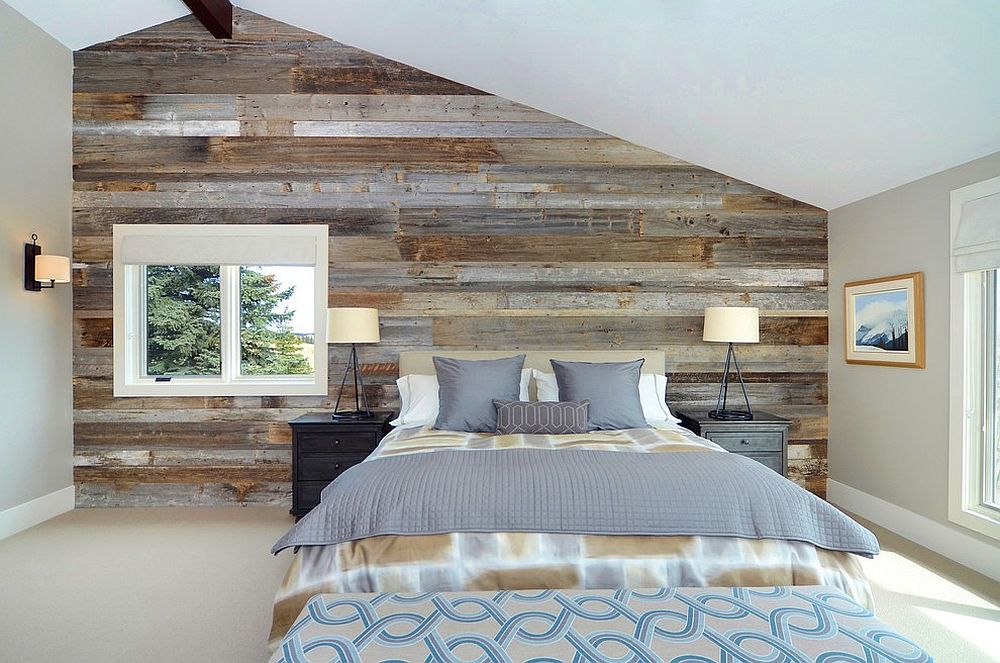
An accent wall introduces visual interest to a room by featuring a distinct color, pattern, or texture compared to the other walls. A neutral shade like gray offers a versatile backdrop, creating a calming and sophisticated atmosphere within a bedroom setting. This design choice provides a focal point, often highlighting architectural features or drawing attention to specific areas, like a headboard.
Utilizing a differentiated wall treatment in this manner adds depth and personality without overwhelming the space. Neutral tones, such as variations of gray, contribute to a serene environment conducive to relaxation and sleep. Historically, accent walls have evolved from purely functional purposes, like insulation using tapestries, to decorative elements reflecting contemporary design trends. This evolution emphasizes their role in enhancing the aesthetic appeal and perceived value of a room.
The following sections delve further into the practical application and stylistic considerations surrounding this design element, offering guidance on color selection, complementary furnishings, and achieving a cohesive bedroom aesthetic.
1. Color Selection
Color selection significantly impacts the overall aesthetic of a grey accent wall. The specific shade of grey chosen influences the room’s atmosphere and dictates the appropriate complementary colors for furnishings and dcor. Lighter greys, such as dove grey or pearl grey, create a sense of airiness and spaciousness, particularly beneficial in smaller bedrooms. These lighter shades pair well with pastel accents and natural wood tones, fostering a tranquil and relaxing environment. Conversely, darker greys, like charcoal or slate, add drama and sophistication, providing a strong backdrop for bolder color choices in furniture and accessories. Deep jewel tones or metallic finishes can create a luxurious and contemporary feel when paired with darker grey accent walls.
Choosing the right grey also depends on the room’s existing features and desired mood. For rooms with ample natural light, cooler greys with blue undertones can enhance the bright and airy feel. In rooms with limited natural light, warmer greys with brown or beige undertones can create a sense of warmth and coziness. Consider the room’s orientation; north-facing rooms benefit from warmer greys to compensate for the lack of direct sunlight, while south-facing rooms can handle cooler tones without feeling cold. For instance, a cool grey accent wall in a south-facing room with large windows can create a serene and refreshing retreat, while a warmer grey in a north-facing room with limited light can foster a cozy and inviting atmosphere.
Successful color selection requires a nuanced understanding of the interplay between light, space, and desired ambiance. Testing paint samples on the wall and observing them at different times of day allows for an accurate assessment of the color’s impact within the specific room environment. Careful consideration of these factors ensures the grey accent wall enhances the overall aesthetic and contributes to a harmonious and well-balanced bedroom design. Ignoring these principles can result in a jarring or uninviting space, highlighting the importance of thoughtful color selection in creating a successful accent wall.
2. Placement
Strategic placement of a grey accent wall significantly impacts a bedroom’s visual appeal and perceived dimensions. Careful consideration of the room’s architecture, existing features, and desired focal point is crucial for maximizing the wall’s impact.
-
Highlighting Architectural Features
Placement can emphasize desirable architectural elements. Positioning the accent wall behind a headboard visually anchors the bed and creates a strong focal point. Similarly, using the accent color on a wall with a fireplace or interesting window configuration draws attention to these features, enhancing their prominence within the room. A poorly chosen location might obscure these features or create an unbalanced visual effect. For example, placing the accent wall on a short, narrow wall might make the room feel smaller and less balanced.
-
Creating Visual Depth and Dimension
Accent wall placement influences the perceived dimensions of a room. Applying the grey to a wall at the end of a long, narrow room can visually shorten the space, creating a more balanced feel. Conversely, using it on a wider wall in a square room can add depth and dimension. Ignoring these principles can exaggerate existing dimensional imbalances, potentially leading to a cramped or awkward feel. Consider the impact of natural light sources; a grey accent wall on a wall receiving ample natural light will appear different than the same color on a wall primarily in shadow.
-
Balancing Visual Weight
Placement contributes to the overall balance of the room. A large, uninterrupted wall serves as an ideal canvas for a grey accent, preventing visual clutter. Conversely, using an accent color on a wall with multiple doors or windows can create a fragmented and busy look. The interplay between wall size and furniture placement is crucial; a grey accent wall behind a large piece of furniture, like a dresser, creates a cohesive backdrop, while the same wall with small, scattered pieces might appear unbalanced.
-
Influencing Mood and Ambiance
Placement influences the room’s atmosphere. A grey accent wall behind the bed fosters a sense of calm and relaxation, conducive to sleep. Using the accent color on a wall facing the entrance creates a striking first impression, setting the tone for the entire room. The choice of grey shade further enhances this effect; a darker grey creates a more dramatic and intimate atmosphere, while a lighter grey promotes a sense of airiness and tranquility. For instance, placing a dark grey accent wall in a small, dimly lit room can feel oppressive, whereas a light grey in the same space might enhance the sense of openness.
Effective placement considers these facets to create a harmonious balance between architectural features, visual weight, and desired ambiance. Careful planning ensures the grey accent wall enhances the room’s aesthetic and contributes to a cohesive and visually appealing bedroom design. Overlooking these elements can result in a disjointed or underwhelming effect, undermining the accent wall’s intended purpose.
3. Texture
Texture plays a crucial role in enhancing the visual interest and depth of a grey accent wall. While color establishes the foundational mood, texture adds a tactile dimension that elevates the design. The interplay of light and shadow on textured surfaces creates a dynamic visual experience, preventing the accent wall from appearing flat or monotonous. Understanding the impact of various textures allows for a more nuanced and sophisticated approach to bedroom design.
-
Material Choice
The inherent texture of the chosen material significantly influences the overall effect. Rough plaster, for instance, creates a rustic and organic feel, while smooth Venetian plaster exudes a polished and sophisticated aesthetic. Wood paneling introduces natural warmth and variation, while textured wallpaper offers a wide range of patterns and tactile experiences. Selecting a material that complements the desired aesthetic is crucial; a rough-hewn stone veneer might clash with a minimalist, contemporary bedroom, while a sleek, metallic wallpaper might feel out of place in a rustic farmhouse setting.
-
Light Interaction
Texture affects how light interacts with the wall surface. A heavily textured surface, like brick or stone, casts deeper shadows, creating a dramatic and visually engaging effect. Conversely, a smoother surface, such as painted drywall, reflects light more evenly, resulting in a softer and more uniform appearance. Consider the room’s natural and artificial lighting when selecting a textured material; a textured wall in a dimly lit room might appear too heavy or overwhelming, while a smooth wall in a brightly lit room might lack visual interest.
-
Visual Depth and Dimension
Texture adds depth and dimension to an otherwise flat surface. A three-dimensional tile pattern or a textured wallpaper with raised motifs creates visual layers, enhancing the wall’s tactile appeal and preventing it from receding into the background. This added dimension can make a small room feel larger and more dynamic. The scale of the texture is also important; a large-scale texture can overwhelm a small space, while a small-scale texture might get lost on a large wall.
-
Tactile Experience
While primarily a visual element, texture also contributes to the tactile experience of a room. A textured wall invites touch, adding a sensory dimension that enhances the overall ambiance. Materials like velvet, suede, or grasscloth offer a unique tactile experience that can enrich the bedroom environment. However, consider practicality; high-traffic areas might not be suitable for delicate or easily damaged textures.
The considered application of texture elevates a grey accent wall from a simple color choice to a dynamic design element. By understanding the interplay between material, light, and tactile experience, one can create a bedroom environment that is both visually appealing and sensually engaging. The successful integration of texture complements the chosen grey shade, enhancing the overall aesthetic and contributing to a cohesive and well-balanced bedroom design. Neglecting the impact of texture can result in a flat and uninspiring space, underscoring the importance of this element in achieving a truly sophisticated and impactful design.
4. Lighting
Lighting significantly impacts the perception and effectiveness of a grey accent wall. Light interacts with the grey pigment, influencing its perceived hue and saturation, and affecting the overall atmosphere of the bedroom. Careful consideration of both natural and artificial light sources is crucial for maximizing the impact of the accent wall and creating the desired ambiance. The interplay of light and shadow on the textured surface can either enhance or diminish the intended effect. For example, a dark charcoal grey wall might appear almost black in a dimly lit room, losing its nuanced depth and texture. Conversely, abundant natural light can wash out a lighter grey, minimizing its contrast with the surrounding walls and diminishing its impact as an accent.
Different lighting types produce varied effects on a grey accent wall. Natural light, with its inherent variability throughout the day, creates a dynamic interplay of light and shadow, altering the wall’s appearance from morning to evening. Warm, incandescent lighting tends to enhance yellow or brown undertones in grey, creating a cozy atmosphere. Cool, LED lighting, on the other hand, can emphasize blue or green undertones, resulting in a more contemporary and crisp feel. Layering different lighting sources allows for greater control over the mood and ambiance. For instance, combining ambient overhead lighting with focused task lighting, such as bedside lamps or reading lights, can create a balanced and functional lighting scheme that highlights the accent wall while providing practical illumination for specific activities. Utilizing adjustable lighting fixtures offers flexibility in highlighting specific features of the wall, like textured elements or artwork.
Optimizing lighting for a grey accent wall involves a strategic approach. Maximizing natural light through sheer curtains or strategically placed mirrors can enhance the wall’s color and vibrancy. Selecting appropriate artificial lighting fixtures and bulb types further refines the desired effect. Dimmers provide control over light intensity, allowing for adjustments based on the time of day and desired mood. A well-executed lighting strategy enhances the visual appeal of the grey accent wall, creating a cohesive and harmonious bedroom environment. Failure to consider lighting can result in a disjointed design where the accent wall either fades into the background or becomes overly prominent, disrupting the overall balance and aesthetic of the space.
5. Furnishings
Furnishings play a crucial role in complementing and enhancing a grey accent wall, creating a cohesive and balanced bedroom aesthetic. The interplay between the wall color and the furnishings establishes the overall mood and style of the room. Consideration of color, texture, and material is essential for achieving a harmonious design. For example, a light grey accent wall provides a neutral backdrop that allows bolder colors and patterns in the furnishings to stand out. A vibrant teal headboard or patterned throw pillows can create a dynamic contrast against the serene grey, adding personality and visual interest. Conversely, a dark grey accent wall benefits from lighter furnishings and metallic accents to prevent the room from feeling overly dark or heavy. A cream-colored upholstered bed frame and brass bedside lamps can create a sense of balance and sophistication against the darker backdrop.
The choice of materials and textures in furnishings further enhances the interplay with the grey accent wall. Natural materials like wood, linen, and wool introduce warmth and texture, creating a cozy and inviting atmosphere, particularly effective with cooler grey tones. These materials soften the potentially stark appearance of a grey wall and create a more organic feel. In contrast, sleek materials like leather, metal, and glass contribute to a modern and sophisticated aesthetic, complementing darker greys and creating a sense of luxury. For instance, a velvet headboard against a charcoal grey wall adds a touch of opulence, while a woven jute rug softens the overall look and adds visual warmth. The scale and proportion of furnishings are equally important; oversized furniture can overwhelm a room with a grey accent wall, while undersized pieces may appear lost or insignificant. Careful selection ensures that the furnishings complement the scale of the room and the accent wall, creating a harmonious and visually balanced space.
Successfully integrating furnishings with a grey accent wall requires a holistic approach, considering the interplay of color, texture, material, and scale. Thoughtful selection of furnishings enhances the impact of the accent wall, creating a cohesive and stylish bedroom design. Ignoring these principles can lead to a disjointed and unbalanced aesthetic, where the furnishings clash with the wall color or fail to create a unified visual narrative. A well-considered approach ensures that the furnishings and the grey accent wall work together to create a bedroom that is both visually appealing and functionally comfortable, reflecting the occupant’s personal style and creating a relaxing and inviting sanctuary.
Conclusion
A grey accent wall offers significant design versatility within a bedroom environment. Careful consideration of color selection, placement, texture, lighting, and furnishings is crucial for maximizing its impact. From subtle shifts in mood created by varying shades of grey to the interplay of light and texture, each element contributes to the overall aesthetic and ambiance. Successful integration of these factors yields a cohesive and visually appealing design, transforming the bedroom into a personalized sanctuary.
Ultimately, the effectiveness of a grey accent wall lies in its thoughtful execution. A nuanced understanding of design principles allows this versatile element to enhance the bedroom’s aesthetic and create a space that reflects individual style and promotes relaxation. The potential for creative expression through this seemingly simple design choice remains significant, offering endless opportunities for personalization and impactful visual statements within the bedroom environment.