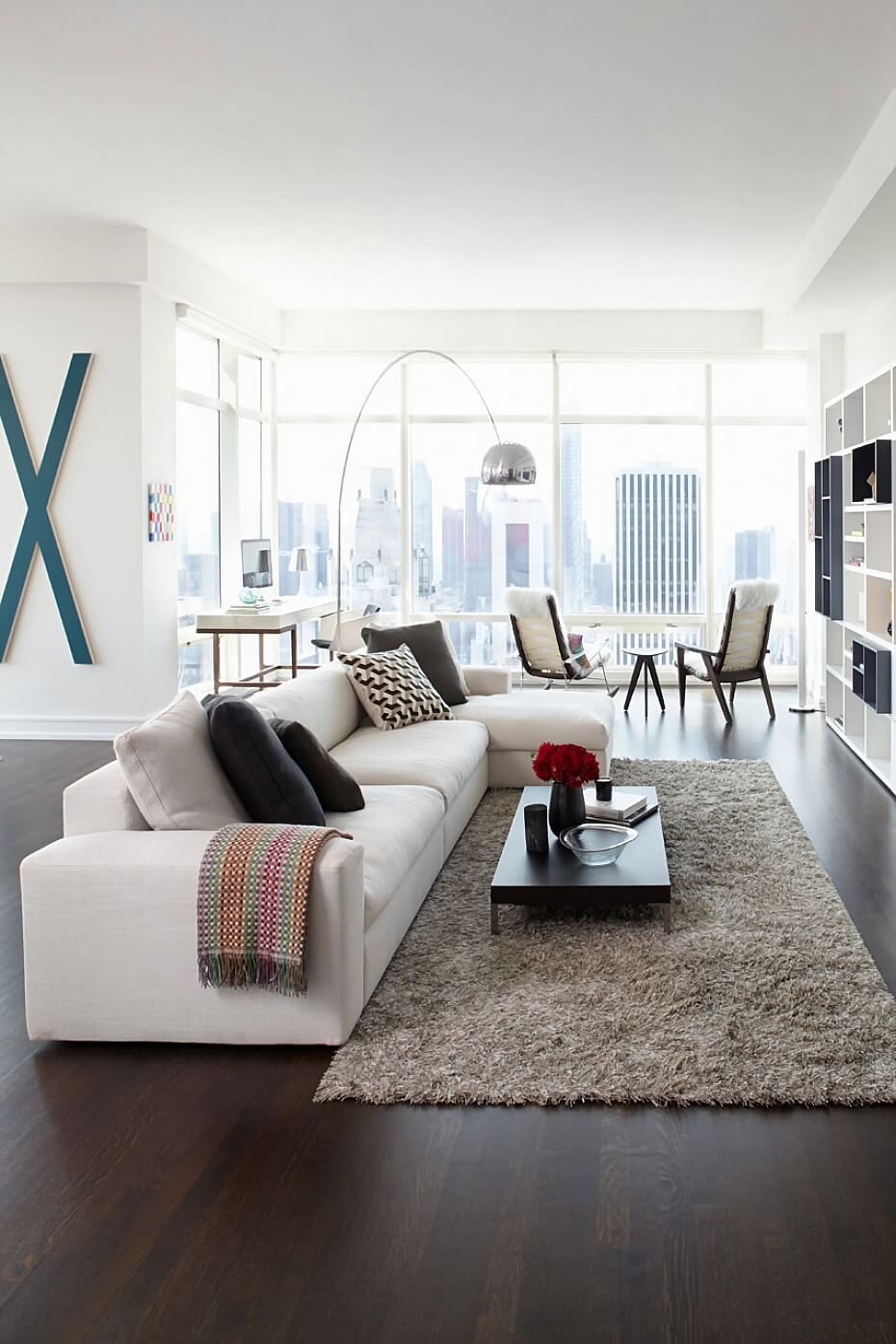
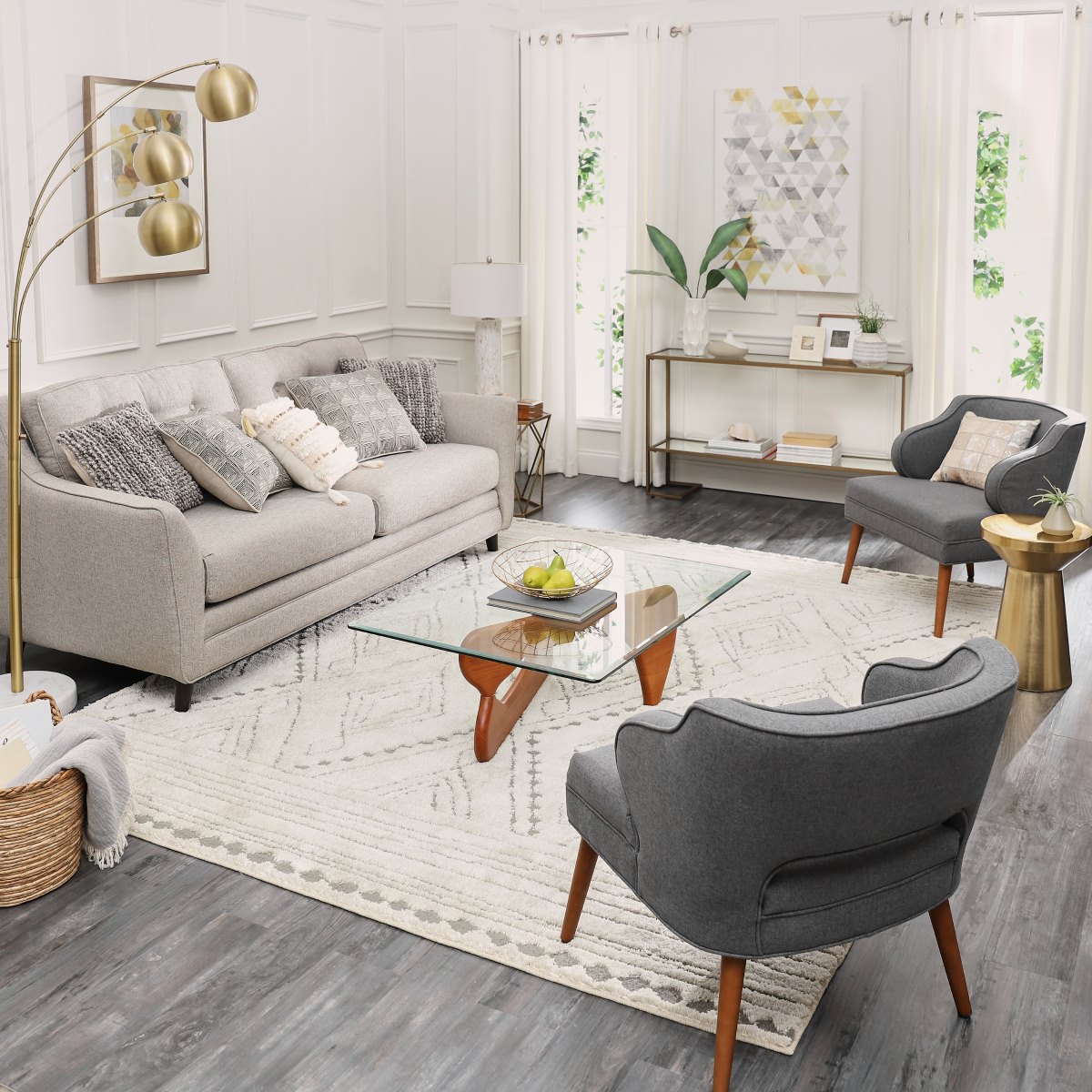
Strategically selecting a distinct wall color within a living room creates a focal point, adding depth and visual interest to the space. This technique can highlight architectural features, define zones within an open-plan layout, or simply inject personality through color. For instance, a deep teal in a neutral living room draws the eye to a fireplace or a gallery wall.
This design choice offers significant advantages. It can make a small room feel larger by drawing attention to a specific area, or it can enhance the proportions of a large room by creating a sense of intimacy. Historically, accent walls have evolved from purely functional applications, like highlighting structural elements, to becoming powerful design tools that influence mood and atmosphere. This evolution reflects a broader shift towards personalized interior design, allowing homeowners to express individual style and preferences.
The subsequent sections will delve into specific color palettes, exploring diverse options ranging from bold and dramatic hues to soft and subtle shades, considering factors such as existing furniture, natural light, and desired ambiance.
1. Harmonizing Color Palettes
A successful accent wall hinges on a well-considered color palette. Harmonizing colors creates a cohesive and visually appealing space, preventing the accent wall from appearing disjointed or jarring. This involves understanding color theory principles and how different hues interact within a given environment.
-
The 60-30-10 Rule
This classic design rule provides a balanced color distribution. 60% represents the dominant color, typically found in wall paint, flooring, and large furniture. 30% is the secondary color, often present in upholstery, curtains, and rugs. The remaining 10% acts as an accent, incorporated through accessories, artwork, and, importantly, the accent wall. This rule ensures visual harmony, allowing the accent color to stand out while maintaining overall balance.
-
Complementary Colors
Utilizing colors opposite each other on the color wheel creates a dynamic and energetic feel. For example, a blue accent wall can complement a living room with predominantly orange and brown tones. This approach provides a high contrast look, drawing attention to the accent wall and creating a vibrant atmosphere.
-
Analogous Colors
Selecting colors adjacent to each other on the color wheel results in a more harmonious and serene atmosphere. A green accent wall might complement a living room featuring predominantly blue and yellow dcor. This approach creates a sense of flow and unity, allowing the accent wall to blend seamlessly with the existing palette.
-
Monochromatic Schemes
Using varying shades and tints of a single color provides a sophisticated and cohesive look. A deeper shade of gray can serve as an accent wall in a living room primarily decorated in lighter grays and whites. This technique adds depth and dimension without introducing a contrasting color, maintaining a sense of calm and elegance.
By considering these color principles, the accent wall becomes an integrated design element that enhances the overall aesthetic of the living room. Careful color selection ensures the accent wall contributes to a balanced and visually pleasing space, reflecting a considered approach to interior design.
2. Complementing Existing Decor
Accent wall color selection should harmonize with existing dcor elements, creating a cohesive narrative within the living room. A successful accent wall doesn’t exist in isolation; it complements furniture, textiles, artwork, and other decorative elements. This interconnectedness ensures a unified aesthetic, preventing the accent wall from appearing as an afterthought. Cause and effect play a crucial role; the chosen accent color influences the overall perception of the room, impacting mood and atmosphere. For instance, an accent wall that clashes with existing furniture can create a sense of disharmony, while a complementary color enhances the overall design, creating a sense of balance and visual appeal.
The importance of complementing existing dcor lies in creating a cohesive and aesthetically pleasing space. An accent wall that echoes colors found in a prominent rug or artwork creates a sense of intentionality and design sophistication. Consider a living room with a neutral sofa and patterned throw pillows featuring shades of teal and ochre. A teal accent wall would create a harmonious connection, drawing attention to the existing color scheme and elevating the visual impact of the pillows. Alternatively, in a room with significant natural wood elements, an earthy terracotta accent wall might enhance the warm, organic aesthetic. Conversely, a jarring, contrasting color could disrupt the visual balance and diminish the impact of the existing dcor.
Understanding this connection between accent wall color and existing dcor offers practical significance. It guides homeowners and designers toward informed color choices that enhance rather than detract from the overall design scheme. Challenges arise when attempting to integrate a desired color that doesn’t readily complement existing elements. In such cases, strategic use of accessories or the introduction of new dcor pieces in bridging colors can create a more cohesive transition. Ultimately, a well-integrated accent wall contributes significantly to the overall aesthetic of the living room, demonstrating a considered approach to interior design.
3. Enhancing Room Atmosphere
Accent wall colors possess a remarkable ability to shape the perceived atmosphere of a living room. Color psychology plays a crucial role; specific hues evoke distinct emotional and psychological responses, influencing the overall mood and ambiance of the space. Strategic color selection allows manipulation of the perceived size, brightness, and warmth of a room, creating environments conducive to relaxation, socializing, or other desired activities.
-
Creating a Sense of Calm
Cool colors, such as blues, greens, and lavenders, generally evoke feelings of tranquility and serenity. A soft blue accent wall in a living room can create a calming retreat, promoting relaxation and reducing stress. This effect is particularly beneficial in spaces intended for rest and rejuvenation. Consider a pale green accent wall in a living room filled with natural light; the combination can evoke a sense of being outdoors, bringing a touch of nature indoors.
-
Boosting Energy and Vibrancy
Warm colors, including reds, oranges, and yellows, tend to stimulate energy and enthusiasm. A vibrant orange accent wall can invigorate a living room, fostering a lively and sociable atmosphere. This approach is particularly effective in spaces designed for entertaining and gatherings. A sunny yellow accent wall can brighten a room with limited natural light, creating a cheerful and welcoming ambiance.
-
Adding Depth and Dimension
Darker accent wall colors can add depth and visual interest to a living room, making the space feel more intimate and cozy. A deep navy or charcoal gray accent wall can create a dramatic backdrop for furniture and artwork, adding a touch of sophistication and elegance. This approach works well in larger living rooms, where a darker accent wall can help define specific areas and create a sense of intimacy.
-
Highlighting Architectural Features
Accent walls can draw attention to specific architectural details, such as a fireplace, built-in shelving, or a unique window frame. By painting these features a contrasting or complementary color, the accent wall emphasizes their visual prominence. This technique adds character and depth to the living room, showcasing the architectural elements and creating a focal point within the space.
Ultimately, understanding the psychological impact of color allows for strategic manipulation of the living room atmosphere through accent wall color choices. By aligning color selection with the desired ambiance, homeowners can transform their living rooms into spaces that reflect their personal style and enhance their daily lives.
Conclusion
Strategic implementation of an accent wall significantly impacts living room aesthetics. Careful consideration of color palettes, existing dcor, and desired atmosphere are crucial for successful implementation. Harmonizing chosen hues with existing elements creates a cohesive design, while understanding color psychology allows for targeted manipulation of mood and ambiance. Whether creating a tranquil retreat or an energetic social hub, the accent wall serves as a powerful design tool.
Ultimately, accent wall color selection offers an accessible yet transformative approach to interior design. Thoughtful planning and execution elevate a living room from simple to sophisticated, reflecting the occupant’s personality and enhancing the overall living experience. The potential to redefine a space through considered color application remains a significant aspect of interior design, encouraging ongoing exploration and innovation within the field.