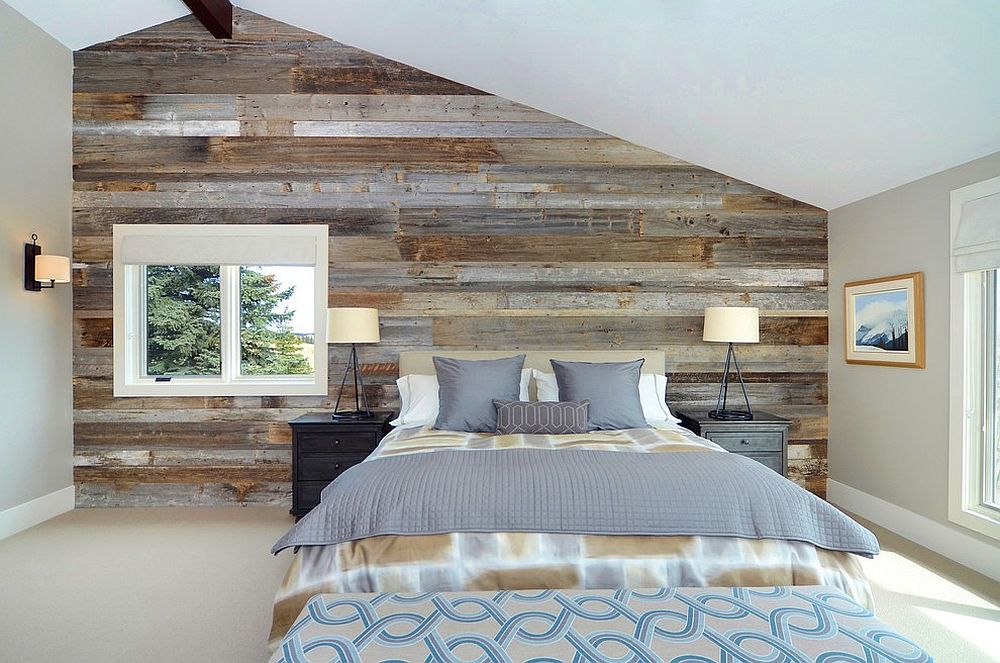
Selecting hues for a bedroom involves careful consideration of desired mood and ambiance. A range of verdant shades, from pale mint to deep forest, offers diverse options for creating a tranquil and restorative sleep environment. Examples include pairing sage with natural wood tones for a calming effect, or using emerald as an accent for a touch of luxury.
A thoughtfully chosen palette contributes significantly to the overall aesthetic and psychological impact of a room. These natural tones can evoke feelings of serenity, promoting relaxation and better sleep. Historically, green has been associated with nature, growth, and renewal, making it a popular choice for spaces intended for rest and rejuvenation.
The following sections will explore various shades, combinations, and design strategies for incorporating these nature-inspired hues into bedroom designs, covering topics such as paint choices, textiles, and decorative accents.
1. Shade Selection
Shade selection forms the foundation of successful green bedroom design. The specific hue dramatically impacts the room’s atmosphere and perceived size. Lighter shades, such as celadon or seafoam, create an airy, spacious feel, often preferred for smaller rooms or those with limited natural light. These paler tones promote relaxation and tranquility, ideal for creating a restful sanctuary. Conversely, deeper jewel tones like emerald or forest green evoke a sense of opulence and intimacy, suitable for larger bedrooms or those seeking a more dramatic aesthetic. The chosen shade influences the overall mood, from calming and serene to vibrant and invigorating.
For instance, a pale mint green paired with white trim and light-colored furniture creates a fresh, airy space, ideal for a coastal or cottage aesthetic. In contrast, a deep forest green, combined with dark wood furniture and metallic accents, achieves a luxurious and sophisticated ambiance. The selection also influences the perception of temperature. Cooler greens with blue undertones contribute to a calming, tranquil space, while warmer greens with yellow undertones create a more inviting and cheerful atmosphere.
Careful consideration of shade is crucial for achieving desired design objectives. Understanding the psychological and visual impact of various hues enables informed decisions. Successfully navigating shade selection ensures a cohesive and aesthetically pleasing final result, ultimately establishing a bedroom environment aligned with individual preferences and desired ambiance.
2. Complementary Colors
Complementary colors play a vital role in enhancing the aesthetic impact of green bedroom designs. Careful selection of these supporting hues contributes significantly to the overall balance and visual appeal of the space. Understanding the interplay of colors is essential for achieving a harmonious and cohesive result. For example, pairing a soft sage green with warm cream or beige creates a tranquil and inviting atmosphere, while combining a vibrant emerald green with crisp white or charcoal gray produces a more dramatic and sophisticated effect. The chosen complementary colors can either amplify the calming qualities of green or create a striking contrast that adds visual interest.
Earthy browns, ranging from light taupe to deep chocolate, provide a grounding element when paired with various shades of green. These combinations evoke a sense of connection with nature, promoting a calming and restful environment. Metallic accents, such as gold or brass, introduce a touch of luxury and sophistication, particularly when used with deeper green hues. In contrast, cool grays and blues can create a refreshing and airy ambiance, especially effective with lighter greens like mint or seafoam. The choice of complementary colors also influences the perceived size and light within the room. Lighter pairings tend to expand the space, while darker combinations create a more intimate and cozy feel.
Successful integration of complementary colors elevates green bedroom designs beyond monochromatic schemes, adding depth, complexity, and visual appeal. Consideration of the interplay between hues, the desired mood, and the impact on spatial perception are critical factors in achieving a harmonious and aesthetically pleasing final result. Strategic color choices contribute to a well-balanced and visually appealing space, fostering a restful and inviting bedroom environment.
3. Textile Integration
Textile integration plays a crucial role in realizing the full potential of green bedroom color schemes. The considered selection and placement of fabrics within the space significantly influence the overall aesthetic and contribute to the desired atmosphere. Textiles offer an opportunity to introduce varied textures, patterns, and shades of green, adding depth and visual interest to the design.
-
Bedding
Bedding serves as a dominant visual element within the bedroom. Opting for green-hued sheets, duvet covers, or blankets establishes a foundational layer of color. Varying shades and textures within the bedding ensemble create visual depth. For example, layering a deep emerald green quilt over sage green sheets introduces subtle contrast and textural variation. The choice of material, whether linen, cotton, or velvet, further contributes to the overall aesthetic and tactile experience.
-
Window Treatments
Curtains or drapes offer another avenue for incorporating green into the bedroom’s design. Sheer green curtains filter natural light, creating a soft, diffused glow within the room, while heavier fabrics in darker shades provide privacy and contribute to a sense of opulence. The choice of curtain fabric and color should complement the existing wall color and bedding, creating a harmonious and balanced visual effect. For example, light and airy linen curtains in a soft celadon green complement a minimalist aesthetic, while velvet drapes in a rich forest green enhance a more luxurious ambiance.
-
Rugs and Carpets
Area rugs and carpets introduce textural and visual interest underfoot. A green rug can anchor the space, tying together various design elements within the room. A patterned rug incorporating various shades of green adds complexity and depth, while a solid-colored rug provides a grounding element. The rug’s material, whether wool, jute, or synthetic fibers, contributes to the overall tactile experience of the space and influences the room’s acoustic properties.
-
Accent Pillows and Throws
Accent pillows and throws provide opportunities to introduce additional textures, patterns, and shades of green. These smaller textile elements allow for experimentation with bolder patterns and contrasting hues without overwhelming the overall design. Layering velvet pillows in emerald green against a sage green headboard introduces a touch of luxury and visual interest. A knitted throw in a lighter shade of green draped over the bed adds warmth and texture.
The strategic integration of textiles within a green bedroom design creates a cohesive and layered aesthetic. By carefully considering the color, texture, and placement of bedding, window treatments, rugs, and accent pieces, a harmonious and visually appealing space emerges, enhancing the overall impact of the chosen green color palette and contributing to the desired atmosphere of tranquility and restfulness.
4. Decorative Accents
Decorative accents provide the finishing touches that elevate a green bedroom from simply colored to thoughtfully designed. These elements introduce personality, visual interest, and depth, enhancing the overall impact of the chosen color palette. Strategic placement and selection of accents contribute significantly to the room’s atmosphere, solidifying the desired aesthetic.
-
Artwork and Wall Decor
Artwork featuring botanical prints, landscapes, or abstract pieces incorporating shades of green reinforces the color scheme while adding personality. Wall decor, such as mirrors framed in natural wood or metallic finishes, complements the green hues and contributes to the overall aesthetic. Consider the scale and placement of artwork to create visual balance and focal points within the room. A large landscape painting above the bed can create a dramatic focal point, while a gallery wall of smaller botanical prints offers a more eclectic feel.
-
Indoor Plants
Introducing greenery through indoor plants reinforces the natural and calming qualities associated with the color green. Select plants with varying textures and shades of green to add depth and visual interest. Place plants strategically on shelves, nightstands, or hanging planters to create a sense of balance and enhance the room’s air quality. A tall fiddle-leaf fig in a corner can add architectural interest, while smaller succulents on a windowsill provide a touch of natural beauty.
-
Lighting
Lighting plays a crucial role in setting the mood and highlighting decorative elements. Table lamps with bases in ceramic or natural materials, paired with shades in complementary colors, enhance the green color scheme. Consider incorporating ambient lighting through strategically placed floor lamps or wall sconces to create a warm and inviting atmosphere. A statement chandelier can add a touch of drama and elegance, while a simple bedside lamp provides focused light for reading.
-
Decorative Objects
Smaller decorative objects, such as vases, bowls, or sculptures, offer opportunities to introduce texture, pattern, and additional shades of green. Choose objects that complement the overall aesthetic and add personality to the space. A collection of ceramic vases in varying shades of green displayed on a shelf creates visual interest, while a woven basket adds texture and a touch of natural warmth. Avoid clutter by selecting a few key pieces that enhance the design without overwhelming the space.
The careful selection and placement of decorative accents complete the green bedroom design, transforming it from a simply colored space into a cohesive and personalized sanctuary. These elements work in harmony with the chosen green hues, enhancing the overall aesthetic and contributing to the desired atmosphere of tranquility and restfulness. The considered integration of these final touches elevates the space, demonstrating attention to detail and a thoughtful approach to design.
Green Bedroom Color Ideas
Exploration of verdant hues for bedroom design reveals the significant impact of color choices on ambiance and well-being. Careful selection of shades, from calming pastels to vibrant jewel tones, establishes a foundation for a restful environment. Complementary color palettes, thoughtful textile integration, and strategic placement of decorative accents further contribute to a cohesive and aesthetically pleasing space. The interplay of these elements allows for personalized expression while maximizing the inherent tranquility associated with natural hues.
Successful implementation of these design principles transforms bedrooms into personalized sanctuaries. Consideration of the psychological impact of color, alongside aesthetic preferences, empowers individuals to create spaces that promote relaxation and rejuvenation. A thoughtfully designed green bedroom offers not merely a place to sleep, but a haven for restoration and well-being, highlighting the profound influence of color on the human experience.