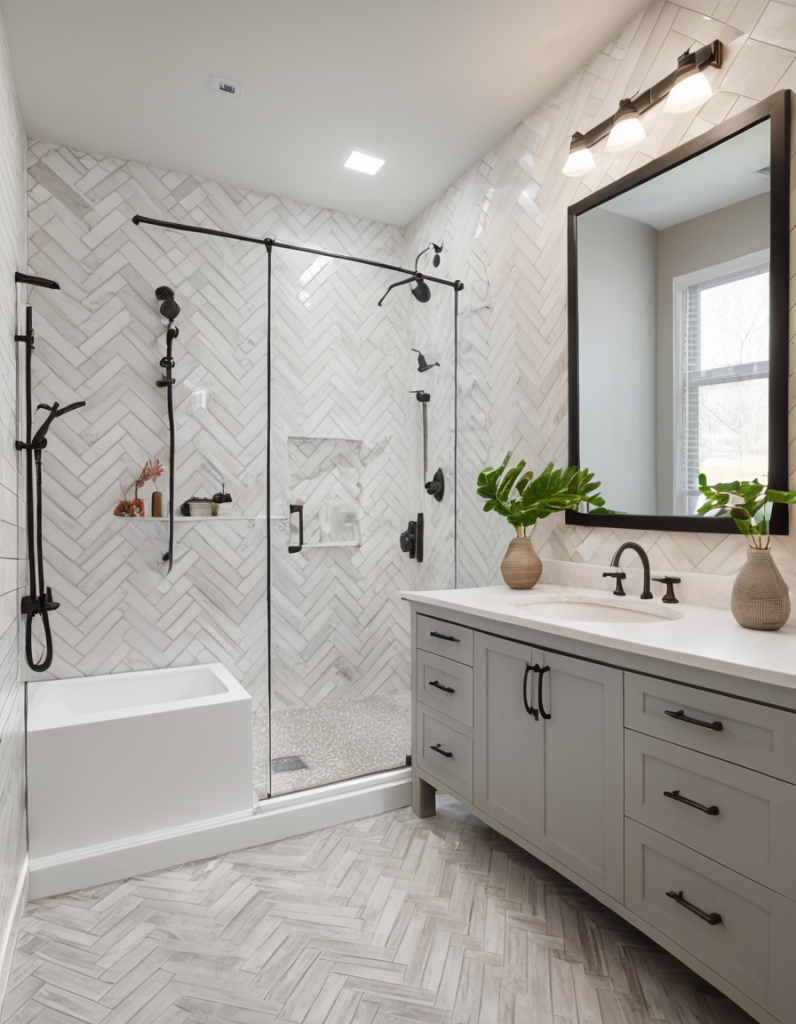
The feasibility and advisability of applying paint to ceramic bathroom tile surfaces is a common inquiry among homeowners. This practice offers a potentially cost-effective way to update the appearance of a bathroom without full-scale renovation. For example, outdated or damaged tile can be given a fresh look with a specialized coating.
Refreshing bathroom tile with an appropriate coating provides a significant advantage in terms of cost savings compared to replacing existing tile. This approach can extend the lifespan of existing surfaces, reducing material waste and contributing to more sustainable practices. Historically, such surface renewal techniques were limited, but advancements in coatings technology have broadened the possibilities for achieving durable and aesthetically pleasing results.
The following sections will delve into the specifics of this process, including surface preparation, appropriate paint selection, application techniques, and maintenance considerations. Understanding these factors is crucial for achieving a successful and long-lasting outcome.
1. Surface Preparation
The success of any tile painting project hinges critically on thorough surface preparation. Without proper preparation, even the highest quality paint will fail to adhere correctly, leading to peeling, chipping, and an overall unsatisfactory finish. This stage lays the groundwork for a durable and visually appealing outcome.
-
Cleaning
Existing tile surfaces must be meticulously cleaned to remove all traces of soap scum, mildew, grease, and mineral deposits. A combination of household cleaners and abrasive scrubbing pads is typically employed. Failure to remove these contaminants will compromise paint adhesion, resulting in premature coating failure. For instance, residual soap scum creates a barrier between the tile and the primer, preventing a strong bond.
-
Deglossing
Glossy tiles require deglossing to ensure proper paint adhesion. This process involves lightly sanding the tile surface with fine-grit sandpaper or using a chemical deglossing agent. Deglossing creates a slightly roughened surface that promotes mechanical bonding between the primer and the tile. Without this step, the paint may simply slide off the smooth, glossy surface.
-
Repairing Damage
Any damaged or cracked tiles should be repaired before painting. Minor cracks can be filled with epoxy filler, while larger damage may require tile replacement. Painting over damaged areas will not conceal the imperfections and may exacerbate the problem. A smooth, even surface is crucial for achieving a professional-looking finish.
-
Priming
Applying a high-quality bonding primer specifically designed for tile is essential. The primer acts as an intermediary layer, promoting adhesion between the tile and the topcoat. Choosing the correct primer is paramount for ensuring the longevity of the painted finish. An unsuitable primer may react negatively with the tile or the paint, causing bubbling or peeling.
By meticulously addressing each of these surface preparation steps, a sound foundation is established for successful tile painting. This meticulous approach maximizes the probability of a durable, visually appealing, and long-lasting finish, justifying the time and effort invested in this crucial preliminary phase. Neglecting any of these steps can compromise the entire project, leading to costly and time-consuming rework.
2. Primer Selection
Primer selection is paramount when painting bathroom tile. The primer serves as the critical bonding agent between the existing tile surface and the new paint layer. Choosing the correct primer ensures proper adhesion, durability, and the overall success of the project. An inappropriate primer can lead to peeling, chipping, and a compromised finish, negating the intended aesthetic and functional improvements.
-
Bonding Properties
Primers formulated specifically for tile and glossy surfaces offer superior adhesion compared to standard primers. These specialized primers contain bonding agents that create a secure link between the smooth tile surface and the paint. For example, an epoxy-based primer provides excellent adhesion to ceramic and porcelain tiles. Using a general-purpose primer on a non-porous surface like tile often results in inadequate bonding and premature paint failure. The primer’s bonding properties are crucial for establishing a durable, long-lasting finish.
-
Moisture Resistance
Given the high-humidity environment of bathrooms, selecting a moisture-resistant primer is essential. Moisture-resistant primers prevent water penetration and protect against mold and mildew growth. A latex-based primer with mildew inhibitors, for example, offers adequate protection in moderately humid conditions. Failure to use a moisture-resistant primer can result in paint degradation, peeling, and the development of unsightly mold or mildew beneath the painted surface, compromising both aesthetics and hygiene.
-
Compatibility with Topcoat
Primer and paint compatibility is crucial for a successful outcome. Using a primer designed to work with the chosen paint type ensures proper adhesion and prevents chemical interactions that could compromise the finish. For instance, an oil-based primer should be used with an oil-based topcoat, while a water-based primer is suitable for water-based paints. Incompatibility between the primer and paint can lead to cracking, bubbling, and an uneven finish. Always consult manufacturer recommendations to ensure compatibility between the chosen primer and paint system.
-
Stain Blocking Capabilities
Certain primers offer stain-blocking properties that are beneficial for covering existing stains or discoloration on the tile. These primers prevent underlying stains from bleeding through the new paint layer. For example, a stain-blocking primer can effectively cover water stains, rust marks, or mildew stains. This characteristic is particularly relevant when painting over older or stained tiles, ensuring a uniform and aesthetically pleasing final appearance. Without stain-blocking capabilities, existing discolorations may eventually show through the new paint, compromising the overall aesthetic improvement.
Careful consideration of these factors in primer selection directly impacts the long-term success of a tile painting project. The correct primer ensures proper adhesion, durability, and a flawless finish, ultimately contributing to a cost-effective and aesthetically pleasing bathroom renovation. Selecting the wrong primer, however, can lead to significant issues, potentially necessitating costly and time-consuming repairs or a complete redo.
3. Paint Type
Paint type significantly influences the success and longevity of a bathroom tile painting project. The bathroom environment, characterized by high humidity and frequent temperature fluctuations, necessitates a paint specifically formulated to withstand these conditions. Choosing an incompatible paint can lead to peeling, mildew growth, and a generally unsatisfactory finish, negating the intended aesthetic and practical benefits. The relationship between paint type and the feasibility of successfully painting bathroom tile is, therefore, inextricably linked.
Epoxy paints are generally recommended for bathroom tile due to their exceptional durability, adhesion, and resistance to moisture and chemicals. Unlike standard latex paints, epoxy coatings form a hard, non-porous surface that effectively repels water and resists staining. This resilience is crucial in areas exposed to frequent splashing and cleaning. For instance, epoxy paint applied to shower tiles will maintain its integrity and appearance far longer than standard latex paint, which is prone to peeling and mildew formation in such a humid environment. Furthermore, epoxy paints demonstrate superior resistance to common bathroom cleaning agents, ensuring the painted surface remains pristine even with regular cleaning and maintenance.
While epoxy paints offer superior performance, specialized acrylic latex paints designed for high-moisture environments can also be a viable option. These formulations contain mildew inhibitors and offer improved moisture resistance compared to standard latex paints. However, they may not offer the same level of durability and longevity as epoxy paints, especially in areas subjected to direct water contact. Therefore, understanding the specific demands of the area being painted be it a shower wall, a vanity backsplash, or a floor is crucial in selecting the appropriate paint type. The correct choice ultimately determines the project’s long-term success and the painted surface’s resistance to the unique challenges posed by the bathroom environment.
4. Application Technique
Application technique plays a crucial role in the success of painting bathroom tile. Proper application ensures even coverage, minimizes imperfections, and contributes significantly to the longevity of the finish. The relationship between application technique and the feasibility of successfully painting bathroom tile is direct; improper technique can negate even the most meticulous preparation and the highest quality paint. For example, applying excessively thick coats can lead to drips, uneven drying, and reduced adhesion. Conversely, thin, even coats promote proper curing and a smooth, durable finish. Similarly, using the correct tools, such as a high-quality brush or roller specifically designed for smooth surfaces, ensures a professional-looking result. Using an inappropriate tool, like a low-quality brush that sheds bristles, can compromise the finish and create visible imperfections.
Several factors influence the choice and effectiveness of application techniques. The type of paint chosen often dictates the best approach. Epoxy paints, for instance, typically require a specific application method due to their thicker consistency and faster drying time. The size and complexity of the surface area also influence technique. Large, flat areas are often best suited for roller application, while intricate details and corners require the precision of a brush. Moreover, proper ventilation during application is essential for both health and safety, as well as ensuring proper paint curing. Inadequate ventilation can lead to solvent buildup, creating health hazards and potentially affecting the paint’s drying and curing process, impacting the final finish and durability.
Achieving a professional and durable finish requires understanding the interplay between surface preparation, paint selection, and application technique. Each step influences the others, and neglecting any one aspect can compromise the entire project. While high-quality paint and thorough surface preparation are essential, proper application technique is the final, crucial element that translates these efforts into a successful outcome. Mastering the correct techniques, understanding the nuances of paint behavior, and adapting the approach to the specific conditions ensures a finish that is not only aesthetically pleasing but also resistant to the rigors of the bathroom environment.
5. Proper Ventilation
Proper ventilation is paramount when painting bathroom tile, directly impacting the feasibility, success, and safety of the project. Ventilation influences paint drying, curing, and overall finish quality. It also affects the health and safety of individuals involved by minimizing exposure to volatile organic compounds (VOCs) released by paints and primers. Inadequate ventilation can result in several negative consequences, including prolonged drying times, uneven finishes, trapped odors, and potential health hazards. For example, insufficient airflow can cause the paint to dry too slowly, increasing the risk of dust and debris settling on the wet surface and compromising the final appearance. In extreme cases, poor ventilation can lead to solvent entrapment within the paint film, resulting in a tacky or sticky finish that never fully cures. Moreover, high concentrations of VOCs can cause headaches, dizziness, and respiratory irritation. In enclosed spaces like bathrooms, these effects are amplified, making adequate ventilation a non-negotiable safety precaution.
Implementing proper ventilation involves a combination of strategies. Opening windows and doors maximizes natural airflow. Using exhaust fans, particularly those vented to the exterior, actively removes VOC-laden air. In cases where natural ventilation is limited, employing portable fans strategically positioned to direct airflow out of the work area significantly enhances air circulation and reduces VOC concentration. Respirators equipped with organic vapor cartridges provide an added layer of protection, minimizing inhalation of harmful fumes. These measures are not merely recommendations but essential components of a safe and successful tile painting project. Failing to prioritize ventilation can jeopardize the project’s outcome and pose significant health risks.
Proper ventilation is not simply a beneficial practice; it’s a fundamental requirement for achieving a high-quality, durable finish and ensuring the safety of those involved in the project. Understanding the crucial role ventilation plays and implementing appropriate measures directly contributes to the feasibility and success of painting bathroom tile. Neglecting this aspect compromises both the aesthetic and health-related outcomes of the project. From a practical standpoint, incorporating proper ventilation into the project plan from the outset simplifies the process and mitigates potential problems, resulting in a smoother, safer, and more successful outcome.
Can You Paint Bathroom Tile? A Conclusion
The feasibility of painting bathroom tile is demonstrably achievable, provided meticulous attention is given to crucial preparatory steps, product selection, and application techniques. Surface preparation, including thorough cleaning, deglossing, and priming, is paramount for ensuring adequate paint adhesion. Selecting paints specifically designed for high-moisture environments, such as epoxy or specialized acrylic latex formulations, is critical for long-term durability and resistance to mildew growth. Proper application techniques, coupled with adequate ventilation, ensure a smooth, even finish and minimize potential health hazards associated with volatile organic compounds. Ignoring any of these factors can compromise the project’s integrity, leading to premature coating failure and an unsatisfactory aesthetic outcome.
The decision to paint bathroom tile presents a viable alternative to full-scale renovation, offering a cost-effective means of revitalizing the appearance of a bathroom. However, the long-term success of this approach hinges on a comprehensive understanding of the technical requirements and a commitment to meticulous execution. Ultimately, the potential for transforming outdated or damaged bathroom tile through painting remains significant, offering homeowners a practical and accessible path toward achieving a refreshed and aesthetically pleasing bathroom environment.